
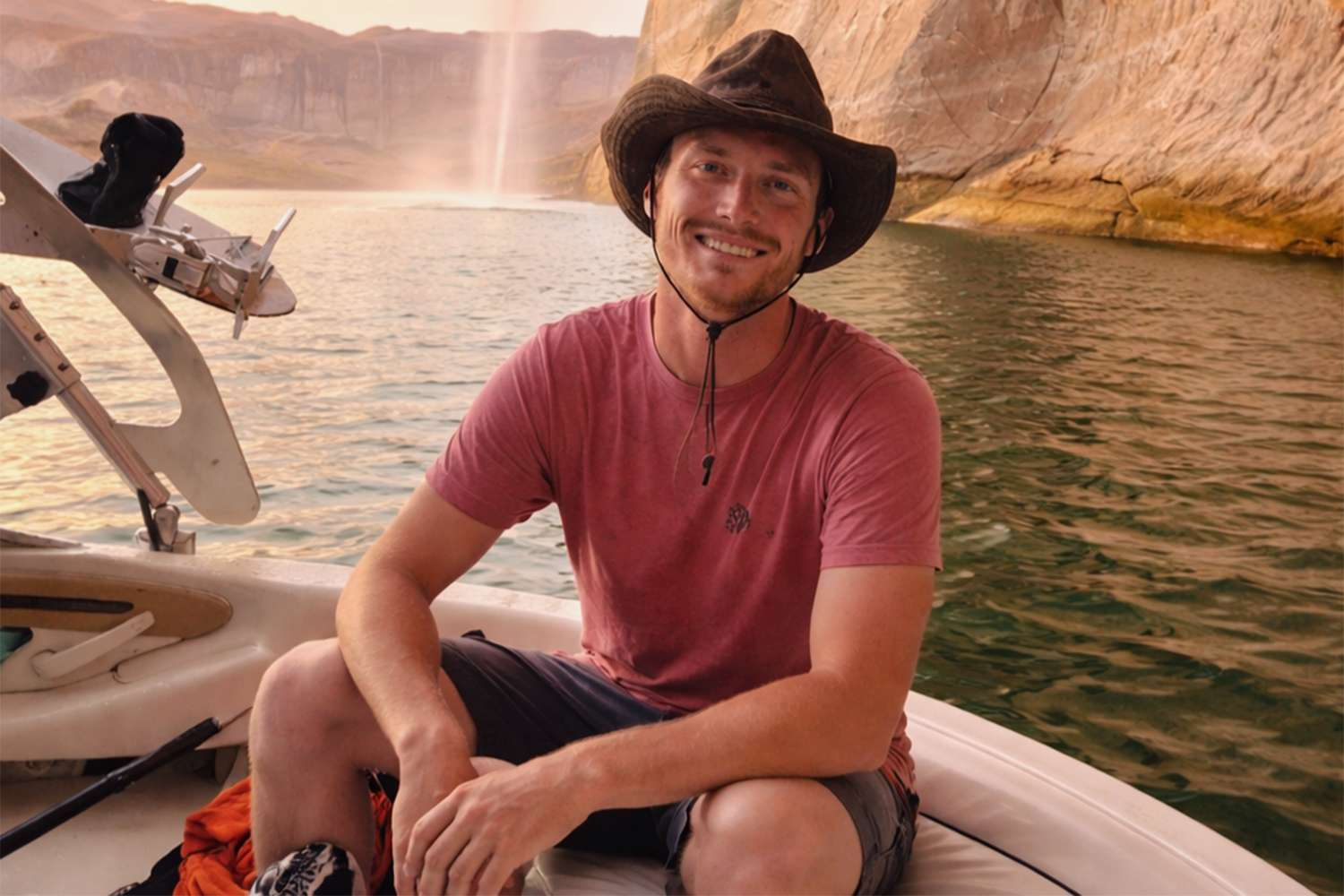
The death of Weston Huff, a 33-year-old adventure enthusiast from Utah, has drawn attention to both the passion and the peril associated with extreme sports. Huff, described by his family as someone who embraced life fully and fearlessly, lost his life during a BASE jumping attempt in Rock Canyon. Authorities reported that the fatal incident occurred when his parachute failed to fully deploy, leading to a devastating impact. While investigations remain ongoing, early findings point to a malfunction during the jump, a known but unpredictable risk in the sport.
Weston Huff’s story is not just one of tragedy, but also one that reflects a life lived with intensity, purpose, and a deep love for the skies. His family and those who knew him have spoken about his adventurous spirit, his resilience in the face of personal challenges, and his ability to bring others into his world of flight. The incident has left a profound emotional impact on his loved ones, while also raising broader questions about safety, preparation, and the inherent risks involved in extreme aerial sports.
A Life Defined by Flight and Adventure
From an early stage in his life, Weston Huff developed a passion for flying that would go on to define much of his identity. He was not merely a participant in extreme sports, but someone deeply committed to mastering them. His experience extended beyond casual engagement, as he was known to be an experienced skydiver and a certified tandem paragliding instructor. This meant that he not only pursued flight for personal fulfillment but also took on the responsibility of guiding others through the experience, placing their trust and safety in his hands.
Family members described him as someone who lived intensely and embraced every opportunity for adventure. Rock Canyon, the site of the fatal incident, was not unfamiliar territory for Weston Huff. It was a place he had previously chosen for BASE jumping, suggesting a level of familiarity and confidence in the environment. This detail highlights an important aspect of his personality: he was not reckless in the conventional sense, but rather deeply immersed in a lifestyle that revolved around calculated risk and skill.
Beyond his athletic pursuits, Weston Huff’s life was marked by personal challenges. He had been diagnosed with conditions that can affect social interaction and behavior, yet those close to him emphasized that he did not allow these difficulties to define or limit him. Instead, he channeled his energy into activities that gave him a sense of freedom and purpose. His mother reflected on how he transformed adversity into kindness and compassion, choosing to engage with the world in a positive and open-hearted way.
Read : How the Watermelon Became a Symbol of Palestinian Solidarity?
This combination of resilience, passion, and generosity made him a memorable presence in the lives of many. According to his family, he had a natural ability to connect with people and share his enthusiasm for life. Whether through sports, casual interactions, or teaching others how to fly, he created lasting impressions that extended far beyond his immediate circle.
The Fatal Jump and What Went Wrong
The incident that led to Huff’s death unfolded rapidly, leaving little time for intervention. Emergency responders were called to Rock Canyon after reports of a man falling into an area known locally for its rugged terrain. By the time help arrived, despite attempts by bystanders to perform CPR, Huff had already succumbed to his injuries.
Read : Skydiver Miraculously Survives After Parachute Gets Caught on Plane’s Wing at 15,000 Feet
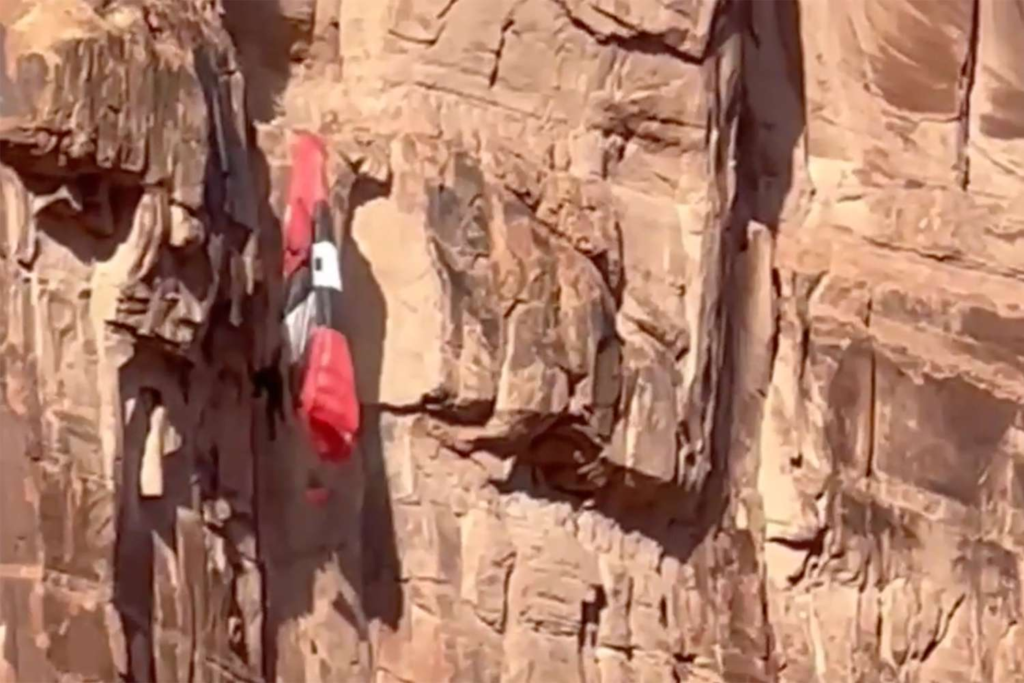
Preliminary accounts suggest that Huff initiated the jump and deployed his parachute, but the canopy did not fully expand. In BASE jumping, where jumps are made from fixed objects such as cliffs and buildings, there is significantly less margin for error compared to traditional skydiving. The altitude is lower, the time to react is shorter, and the reliance on equipment functioning perfectly is absolute. A partial deployment can be catastrophic, as it fails to provide the necessary deceleration to ensure a safe landing.
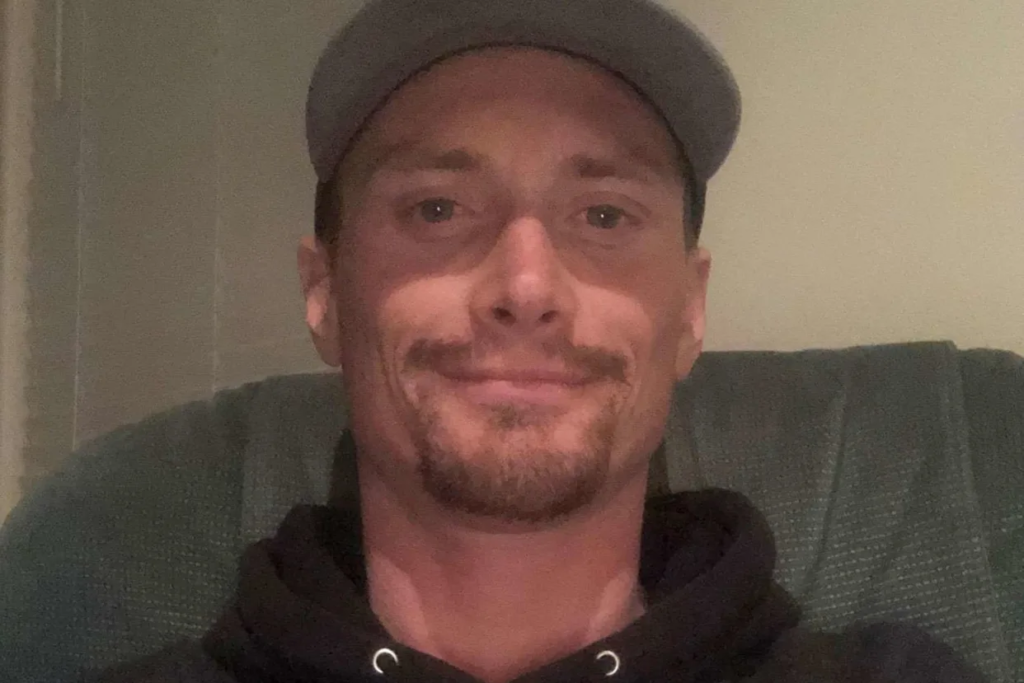
Witnesses at the scene reported that efforts were made to assist him immediately after the fall, indicating that the incident occurred in view of others. Their attempts to revive him underscore both the suddenness of the accident and the helplessness that can accompany such situations. Even with prompt action, the severity of the impact left no possibility of survival.
Authorities have stated that the investigation will remain open until a full report is completed by the medical examiner. This process typically involves examining the equipment, assessing environmental conditions, and determining whether any external factors contributed to the malfunction. While BASE jumping inherently carries risks, understanding the exact cause of failure is crucial for the broader community, as it may inform future safety practices.
The incident serves as a stark reminder of the fine line between control and unpredictability in extreme sports. Even experienced individuals, with extensive training and familiarity with their equipment, are not immune to sudden and fatal outcomes. The sport demands precision and preparedness, yet it also operates in an environment where variables cannot always be fully controlled.
Remembering a Life of Impact and Meaning
In the aftermath of Huff’s death, tributes from family and friends have focused not only on the circumstances of his passing but on the richness of his life. They described him as someone who “packed nine lives into one,” a phrase that captures the intensity and breadth of his experiences. Rather than measuring life in years, those closest to him emphasized the depth with which he lived each moment.
His family highlighted his diverse talents, noting that he excelled in a wide range of activities, from sports to games to aerial disciplines. However, what stood out most was not just his ability, but his willingness to share his passions with others. He invited people into his world, encouraging them to experience the same sense of freedom and joy that he found in flight.
The emotional impact of his loss has been profound, yet it has also been accompanied by an outpouring of support from the community. Messages of sympathy and remembrance have reflected the wide reach of his influence. For many, Huff was more than an adventurer; he was a source of inspiration, a friend, and a reminder of what it means to live authentically. His family has spoken about finding solace in the idea that he lived according to his own terms, embracing both the beauty and the risks of the life he chose.
They described him as someone who loved deeply and gave generously, leaving behind a legacy defined by kindness and connection rather than tragedy alone. The creation of a fundraising campaign in his memory further illustrates the collective desire to support his loved ones and honor his life. Such gestures often serve as a way for communities to process grief, transforming loss into acts of solidarity and care.
While the circumstances of his death are undeniably heartbreaking, the narrative that emerges from those who knew him is one of vitality and purpose. Weston Huff’s story reflects the complexity of human experience, where joy and risk, struggle and triumph, coexist in ways that defy simple categorization.