

The struggle between environmental activism and state policy has taken a dramatic turn in Iceland, where two passionate protestors, Elyssia Phillips and Anahita Babaei, now face potential jail time after staging a peaceful but high-profile protest against whale hunting.
Their act of defiance—climbing the mast of a whaling boat and staying there for 33 hours—was not only symbolic of their dedication to marine life conservation but also indicative of the rising tension between environmental activists and law enforcement authorities in the Nordic nation.
Now, with criminal charges hanging over their heads and a trial set for January 2026, the two women find themselves at the heart of a debate over civil disobedience, the future of whaling, and the limits of protest.
A Protest Born of Conscience and Urgency
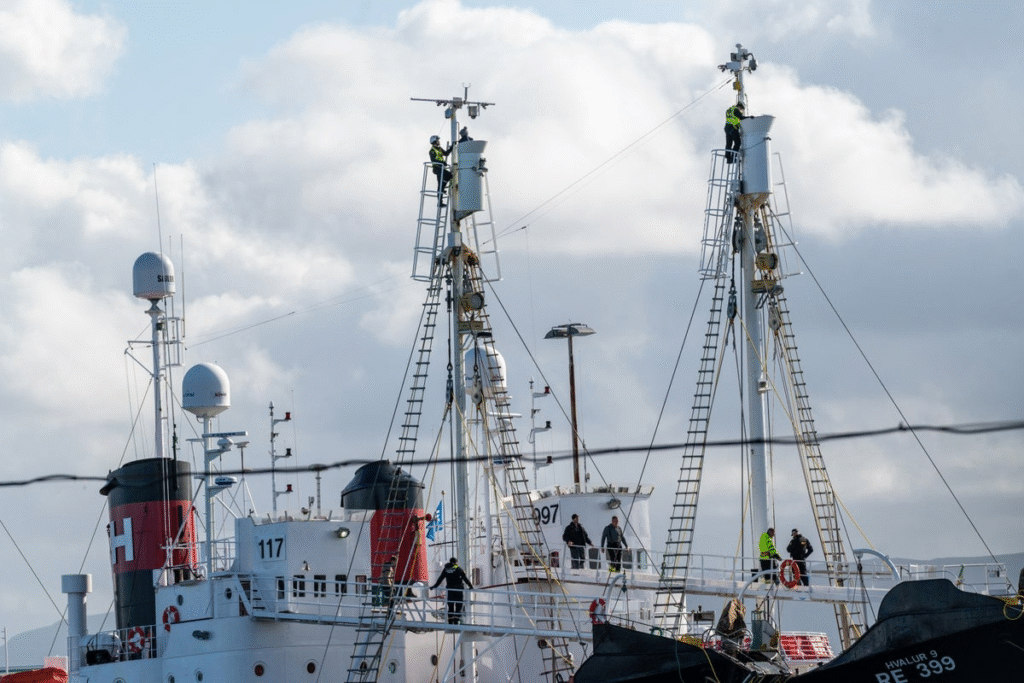
On a chilly day in September 2023, Elyssia Phillips and Anahita Babaei ascended the 15-meter mast of a whaling boat operated by Hvalur hf, Iceland’s last whaling company. Their mission was clear: draw attention to the brutal and controversial practice of hunting endangered fin whales.
Despite mounting international opposition and a ban from the International Whaling Commission on commercial whaling, Iceland remains one of just three nations that continue this practice. Armed with only their conviction, some supplies, and a fierce will, the duo climbed the mast and remained there for 33 hours in protest.
The act was entirely peaceful. The activists did not vandalize or damage any part of the ship. Rather, they used their bodies and presence as a symbolic shield for the whales. According to Phillips, “It is civil disobedience, we didn’t hurt anybody or damage anything… we didn’t want the whales to be murdered.”
However, what followed was a far cry from the spirit of their protest. They were arrested, allegedly manhandled despite complying with police instructions, and later charged with three criminal offenses: trespass and entering, breaking maritime law, and refusing to obey police commands.
Read : Lauren Tomasi Shot With Rubber Bullet While Reporting on Anti-Ice Protests in Los Angeles
The protest coincided with a period of increasing scrutiny over whale hunting practices in Iceland. A report by the country’s Food and Veterinary Authority had earlier concluded that the use of explosive harpoons caused prolonged suffering to whales, with some taking up to two hours to die.
Public outcry over such findings was gaining momentum, making the protest by Phillips and Babaei all the more timely. Still, rather than engaging in a conversation about animal welfare and ethical fishing practices, authorities chose to crack down, interpreting the peaceful protest as a legal violation.
A Legal Struggle That Reflects Broader Tensions
Since their arrest, the legal road has been slow and burdensome. After being released on bail, the two women returned to their respective lives, though they remained in a limbo that stifled their freedom of movement and professional opportunities. Babaei, who is Iranian, was unable to visit her family, while both activists found themselves constrained in their work lives due to visa restrictions tied to the pending criminal charges.
The delay in the legal process—spanning over two years—has also raised eyebrows. According to their lawyer, Linda Emilsdottir, the drawn-out investigation itself amounts to a form of punishment. “Despite efforts to expedite the process, the investigation has been unnecessarily delayed. The mere status of being under prolonged criminal investigation imposes a significant burden on the accused,” she stated.
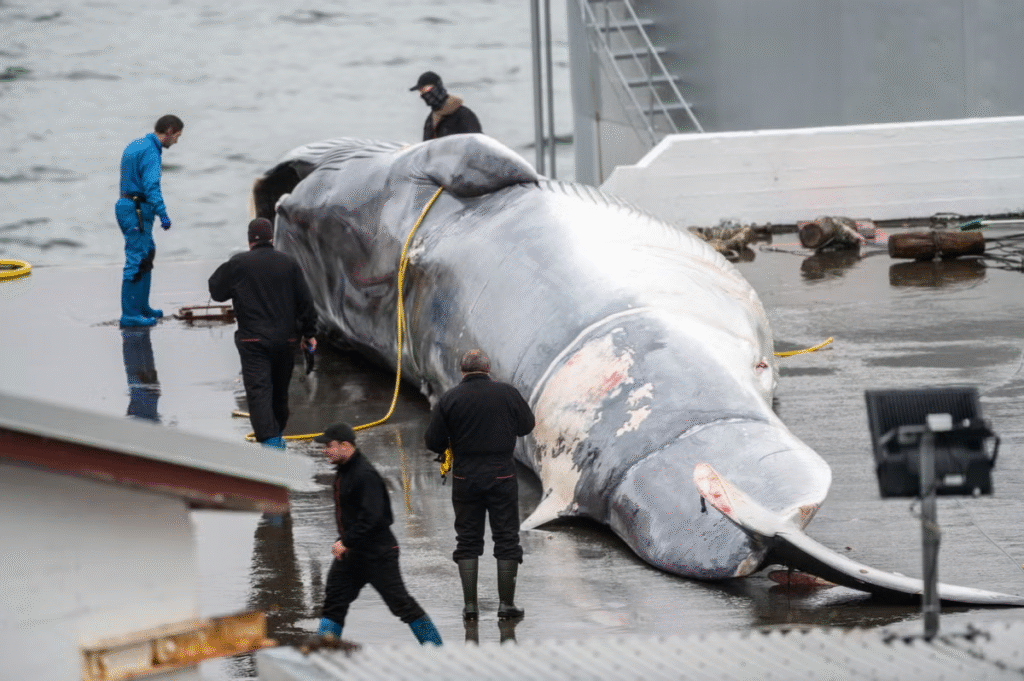
What complicates matters further is that the charges appear to be part of a broader effort by Icelandic authorities to clamp down on civilian protests. Recent years have seen a surge in activism not only against whaling but also against fish farming, immigration policies, and geopolitical issues such as the Israel-Palestine conflict. Activists and legal experts worry that the charges brought against Phillips and Babaei may be less about justice and more about setting an example—to deter others from similar acts of dissent.
Emilsdottir argues that the charges do not correspond logically with the women’s conduct. “The prosecution has brought forward three separate charges, none of which can be justifiably linked to the conduct in question. The indictment lacks sufficient reasoning or evidentiary support.” She emphasized that the women’s protest was peaceful, posed no threat to public safety, and did not disrupt public order.
Despite the absence of any physical damage to the whaling boat or harm to any individuals, the charges remain. If convicted, the women could face up to six months in prison or be compelled to pay a significant fine. The case is now awaiting trial in January 2026, leaving the two activists in a prolonged state of uncertainty.
Public Support, Financial Burden, and a Long Wait for Justice
While facing an uphill legal battle, Phillips and Babaei have found support among environmental groups, fellow activists, and concerned citizens across the globe. Yet this solidarity does little to alleviate the practical challenges they face. Legal proceedings are expensive, especially when they span years. To manage the mounting legal fees and sustain their fight, the duo has launched a GoFundMe campaign.
The financial and emotional toll of the case is not lost on their supporters, who see in this struggle a microcosm of larger issues: the right to protest, the ethical treatment of animals, and the disproportionate consequences faced by peaceful demonstrators. As they wait for their day in court, the women continue to advocate for marine conservation and speak out against the injustice they believe they are suffering.
The British Foreign Office has acknowledged the situation but confirmed that it has not yet been approached for consular assistance. It has, however, expressed readiness to support Phillips if needed. Meanwhile, Icelandic police remain tight-lipped, declining to comment on the charges or the circumstances of the arrest.
This case raises pressing questions about Iceland’s approach to dissent and protest. Is a peaceful demonstration truly criminal if it causes no harm and intends only to draw attention to an ethically charged issue? And what message does it send to other environmental advocates who may now hesitate to act out of fear of legal retaliation?
Whale hunting itself is a controversial relic in a world increasingly moving toward conservation and sustainability. The fact that the practice continues in Iceland, despite overwhelming evidence of the suffering it causes and widespread international condemnation, underscores the urgency of the activists’ message. Yet, instead of opening dialogue, the state appears to be resorting to punitive measures.
As the trial date looms, Phillips and Babaei continue to symbolize a cause greater than themselves. Their protest, their charges, and their impending trial serve as a reminder of the complex intersections between environmental activism, civil liberties, and state power. In their 33 hours atop a mast, they sparked a conversation that will not be easily silenced—even if the legal system seeks to punish them for speaking out.
Their story is not just about whales. It is about courage, sacrifice, and the increasingly narrow space for peaceful protest in modern democracies. Whether the Icelandic courts will choose to uphold that right or suppress it remains to be seen. Until then, the eyes of the world—and the environmental movement—will be watching.