
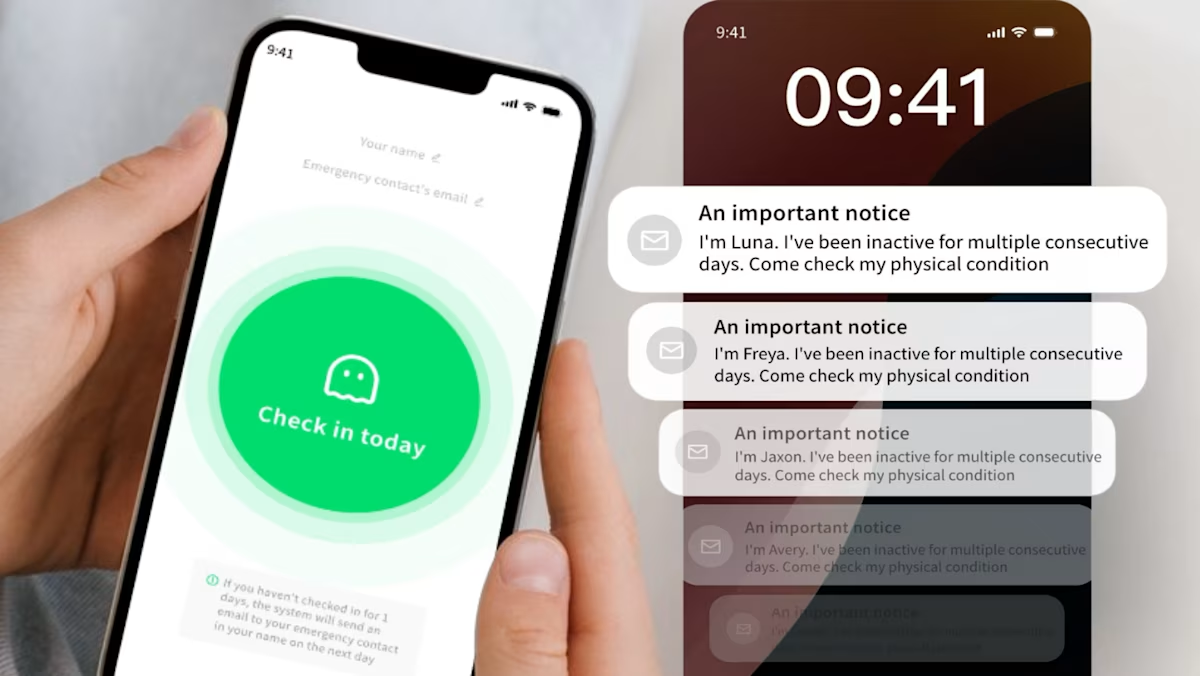
In an era marked by rapid urbanisation, changing family structures, and a growing preference for independent living, technology is increasingly being used to address the quiet risks that accompany solitude. One such example is a Chinese mobile application whose stark name has captured public attention far beyond its home market.
Known domestically as Sileme, which translates bluntly to “Are you dead?”, the app has surged in popularity across China and has begun drawing global interest as well. While its name may sound provocative or unsettling, its underlying purpose is practical, even compassionate: to offer a simple safety net for people who live alone. The app’s viral rise reflects deeper social shifts in China and other countries, where solo living is no longer an exception but a defining feature of modern life.
The Concept Behind the ‘Are You Dead?’ App
At its core, Sileme is a lightweight digital safety tool designed specifically for individuals who live by themselves. The app was created by a small independent team of three young developers born after 1995, who describe their product as intended for students, solo office workers, and anyone who has chosen or found themselves in a solitary living arrangement. Rather than offering complex monitoring features or invasive tracking, the app relies on a simple check-in mechanism that prioritises ease of use.
After downloading the app, users are required to designate one emergency contact. This could be a family member, friend, neighbour, or anyone trusted to respond if something goes wrong. The app then expects the user to check in periodically by opening the app or confirming their status. If the user fails to check in for a specified number of consecutive days, the app automatically sends a notification to the designated emergency contact, alerting them that the user may need assistance.
The logic is deliberately minimal. Many people living alone worry about scenarios in which they might fall ill, suffer an accident, or experience a medical emergency without anyone noticing for days. Sileme addresses this fear not by assuming danger, but by creating a gentle reminder system that escalates only when silence persists. The app does not claim to diagnose health issues or predict emergencies; instead, it functions as a digital nudge that ensures prolonged inactivity does not go unnoticed.
Read : Golden Triangle Tales: Exploring Thailand’s Borderlands
What makes the app distinctive is not technological sophistication but conceptual clarity. In a world saturated with feature-heavy health and fitness apps, Sileme’s appeal lies in its narrow focus. Its creators have emphasised that it is not meant to replace medical services or constant human contact, but to provide reassurance for both users and their loved ones that someone will be alerted if communication suddenly stops.
Why the App Has Gone Viral in China
The extraordinary popularity of Sileme cannot be understood without examining broader demographic and social trends in China. According to figures cited by the state-run Global Times, China may have as many as 200 million one-person households, with more than 30 percent of households consisting of a single individual. This represents a dramatic shift from traditional family structures that once defined Chinese society, where multi-generational living was common and solitude was relatively rare.
Several forces are driving this transformation. Rapid urbanisation has drawn millions of young people to cities for education and employment, often far from their families. Rising housing costs, changing attitudes toward marriage, and increased acceptance of remaining unmarried have all contributed to the growth of solo living. At the same time, China’s ageing population means that many elderly individuals now live alone, sometimes after the death of a spouse or because their children live and work in distant cities.
Read : Snowboarder Ueli Kestenholz Dies After Being Trapped in Avalanche in Lötschental Valley
Against this backdrop, Sileme resonated strongly with users who recognised their own anxieties in the app’s premise. Social media platforms such as Weibo were flooded with commentary, memes, and personal stories from users who described the app as morbidly named but emotionally reassuring. For many, the bluntness of the question “Are you dead?” was precisely what made it effective. It cut through euphemism and directly addressed a fear that is often left unspoken.
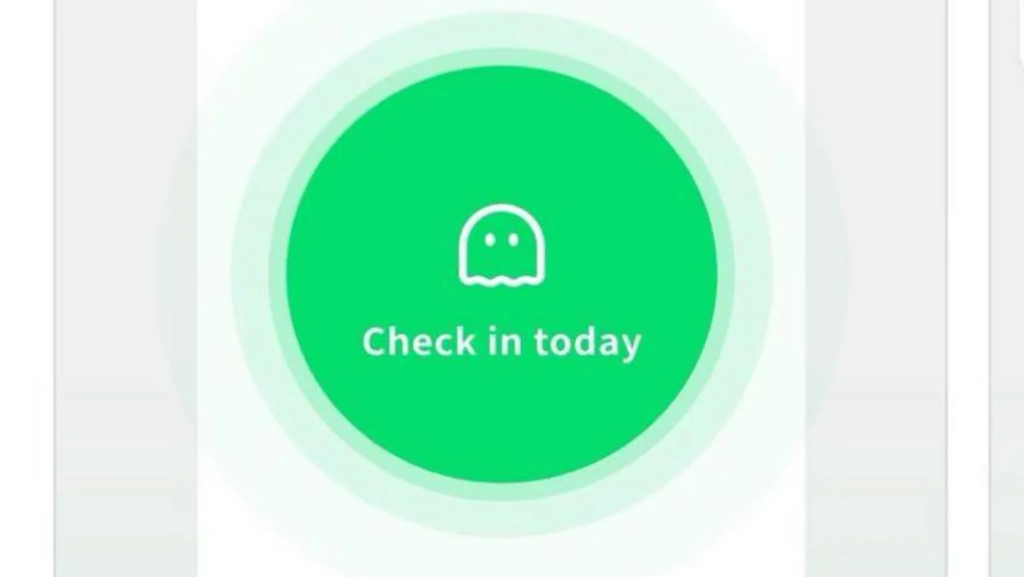
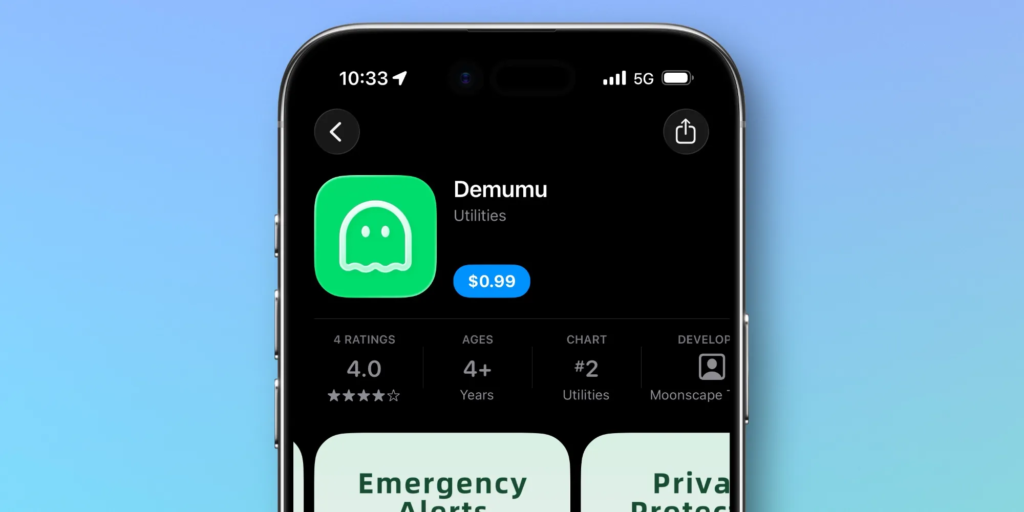
The app’s sudden surge in downloads pushed it to the top of Apple’s paid app charts in China before it later settled at number two. The unexpected scale of demand prompted the developers to introduce a modest subscription fee of eight yuan, or roughly $1.15, to cover rising operational costs. Even with the introduction of paid access, interest remained high, suggesting that users perceived genuine value in the service. Online reactions also revealed a cultural debate about language and sensibility.
While many netizens defended the app’s original name as honest and practical, others argued that it was too harsh or unsettling, particularly for older users or international audiences. Suggestions for alternative names such as “Are you alive?”, “Are you online?”, or “Are you there?” circulated widely. Some users acknowledged that the phrasing might trouble more conservative individuals, but maintained that its usefulness outweighed any discomfort. As one commenter put it, the app helped unmarried and solo-living people feel more at ease about navigating life on their own.
From Sileme to Demumu: Global Expansion and Wider Implications
As attention spread beyond China, the developers behind Sileme began preparing the app for a broader international audience. They announced that the upcoming global version would be launched under a new brand name, Demumu, a change intended to make the app more culturally adaptable and less confrontational in markets where the original name might be misunderstood or rejected outright. On Apple’s App Store outside mainland China, the app already appears under the Demumu name and has continued to perform strongly in paid download rankings.
The rebranding highlights a key challenge for digital products rooted in specific social contexts. What resonates as candid and even comforting in one culture may appear insensitive or alarming in another. By adopting a softer, more neutral name for global markets, the developers appear to be balancing their original concept with the realities of international expansion.
Beyond branding, the app’s success points to a growing global demand for tools that address the risks of social isolation. Many countries are experiencing similar trends toward solo living, whether due to urban migration, delayed marriage, ageing populations, or changing personal preferences. In cities across Asia, Europe, and North America, living alone has become a common and often celebrated lifestyle choice. Yet the pandemic years underscored how isolation can also carry hidden dangers, particularly for people without immediate social support.
In this sense, Demumu occupies an emerging niche between personal wellness apps and emergency response systems. It does not attempt to foster social interaction or mental health support directly, nor does it replace emergency services. Instead, it acknowledges a simple reality: for millions of people, especially those living alone, the most significant risk is not constant distress but prolonged silence.
The app’s story also reflects the power of small, independent development teams to identify overlooked needs and respond quickly. The founders have described themselves as an unknown team prior to the app’s viral moment, operating without major corporate backing. Their experience illustrates how social media attention can rapidly transform a modest project into a widely discussed product, while also creating pressure to scale, monetise, and adapt to new audiences.
Ultimately, the popularity of the ‘Are You Dead?’ app is less about shock value than about recognition. It has given a name, however blunt, to a shared concern among people who live alone: the fear of being unseen in a moment of crisis. Whether known as Sileme in China or Demumu abroad, the app’s rise suggests that as solo living becomes more common, so too will the demand for simple, dignified ways to ensure that being alone does not mean being forgotten.
The way you write feels personal and authentic.
i enjoy reading this great article, i have shared it many times on my website and started following you, Do you post more often ?? i am the owner of https://webdesignagenturbayreuth.de/ a webdesign agency in bayreuth Germany, webdesign agentur bayreuth, you can link up if you are interested. Thank you