

A shocking incident involving a British family and an elderly relative unfolded on December 18, 2025, when an easyJet flight from Malaga, Spain, to London Gatwick was delayed after the apparent death of an 89-year-old passenger. Reports suggest that the woman, described by some passengers as “slumped unconscious in a wheelchair,” was wheeled onto the plane by her family despite appearing unwell.
The airline confirmed that she possessed a valid fit-to-fly certificate, while other passengers alleged that a doctor on board stated she was already dead before the flight departed. The incident quickly gained attention on social media, sparking outrage and questions about airline safety protocols, passenger screening, and the responsibilities of both family members and airline staff.
The Incident: Boarding and Immediate Discovery
The family, consisting of five relatives, arrived at Malaga Airport with the elderly woman, who they described as tired and unwell. Passengers on the flight, however, observed that the woman appeared to be in a grave state. Some claimed that she looked “slumped unconscious in a wheelchair” and that one family member was holding her head as she was moved down the aisle. The situation prompted strong reactions from fellow passengers, who questioned how easyJet staff allowed a passenger in such an apparent condition to board a commercial flight.
EasyJet later confirmed that the elderly woman held a valid medical fit-to-fly certificate, which apparently allowed her to travel despite her condition. Airlines routinely require such certificates for elderly passengers or those with significant health concerns to ensure that they are medically stable enough to withstand the stresses of air travel. In this case, the certificate apparently met airline requirements, allowing her to board.
However, the reality unfolded differently once the flight was preparing for departure. Cabin crew discovered that the woman had passed away. Emergency services were called to the aircraft, which returned to the terminal, and the woman was officially pronounced dead on board. The discovery caused significant distress to passengers and staff alike, and the flight was delayed by 12 hours.
Read : 13-Year-Old Boy Wanted in Grandmother’s Killing Shot and Killed by North Carolina Deputy
Passengers took to social media to describe the harrowing scene, with one passenger, Petra Boddington, posting a video that quickly went viral, asking, “EasyJet, when did you start letting dead people onto planes?” Another passenger, Tracy-Ann Kitching, wrote that a doctor on board had confirmed the woman was already dead when she was seated.
Read : Who is Crypto King Jailed for 25 Years After Stealing Billions of Dollars from FTX Customers
Despite the tragic circumstances, several passengers also expressed empathy for the family and the airline crew. Some praised the professionalism of the cabin crew and the co-pilot, who reportedly answered questions patiently and reassured concerned passengers. The situation, while shocking, was handled as carefully and respectfully as possible under extremely unusual circumstances.
Airline Response and Official Statements
EasyJet released an official statement regarding the incident, clarifying that the flight, EZY8070 from Malaga to London Gatwick, returned to the stand prior to departure due to a passenger requiring urgent medical assistance. The airline confirmed that emergency services met the aircraft on the ground, but the customer sadly passed away. EasyJet emphasized that the well-being of passengers and crew is always a top priority, and they offered support and assistance to the family and fellow travelers during the delay.
Authorities in Malaga also commented on the case. A spokesman for the Civil Guard explained that the woman was permitted to board because she held a fit-to-fly certificate and was being supported by medical personnel during her journey. They added that officers were called to the plane specifically because of the woman’s condition and that she was pronounced dead on board.
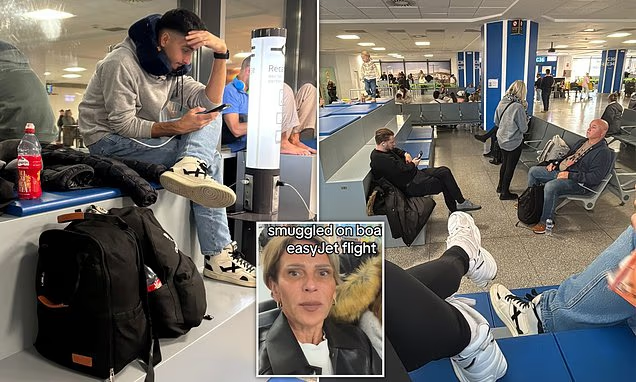
This statement confirmed that the airline had followed standard procedures in allowing her to board, while also highlighting the complexity of determining the fitness of elderly passengers for air travel. The incident drew significant public attention, particularly on social media, where many passengers expressed shock and anger.
Some criticized easyJet’s ground staff for allowing the elderly woman to board, despite her apparent state, while others acknowledged the difficulty of assessing medical risk based solely on appearances. This conversation reflects broader concerns about airline safety protocols, medical clearances, and the responsibilities of both families and airlines in ensuring the well-being of passengers.
Passenger Reactions and Ethical Considerations
The unusual and tragic nature of the event prompted a wide range of reactions among passengers and online observers. Many expressed outrage, questioning how an individual who appeared gravely unwell could be allowed to board a commercial flight. Video and written accounts from passengers highlighted the distressing scenes in the cabin and the disbelief that such an event could occur. One common sentiment was frustration at the airline, suggesting that staff should have intervened more decisively when it appeared the woman was in critical condition.
Read : 17-Year-Old Jadynn Hamilton Arrested for Beating Grandmother to Death in Mississippi Church
At the same time, several passengers also recognized the complexity and sensitivity of the situation. The family, who presumably believed the woman could safely travel, faced a tragic outcome that was likely unexpected. Passengers praised the airline staff, including cabin crew and the co-pilot, for managing the situation professionally and responding to concerns calmly and empathetically. Many highlighted the tension between following official medical clearances, such as fit-to-fly certificates, and assessing passenger health in real time.
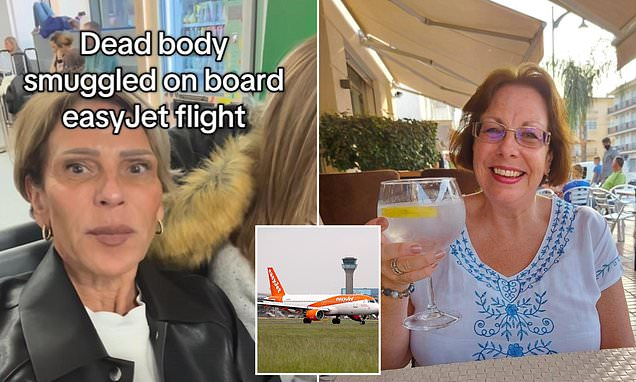
The ethical considerations surrounding this incident are significant. On one hand, airlines rely on fit-to-fly certificates and medical documentation to make informed decisions about passenger safety. On the other hand, observable conditions in the airport or on the plane may sometimes indicate that a passenger is at serious risk. Balancing these factors presents a challenge for airline staff, who must adhere to regulations while also responding to unforeseen emergencies.
The incident underscores the need for robust training and clear protocols to handle situations where medical documentation conflicts with observable passenger conditions. Beyond the immediate logistics, the situation also raises questions about familial responsibility. Families may feel pressure to allow elderly or ill relatives to travel, sometimes underestimating the risk involved. In this case, the tragic outcome has sparked debate over whether families should take extra precautions, seek additional medical advice, or delay travel if there is any doubt about a relative’s fitness to fly.
In addition, the public discussion highlights the importance of empathy in such situations. While the event was shocking and unusual, many passengers and online commenters expressed sympathy for both the family and the airline staff, recognizing the profound emotional impact of a death on board. Balancing accountability with compassion is an ongoing challenge in aviation, particularly in cases involving elderly or vulnerable passengers.
The incident involving a British family and their 89-year-old grandmother on an easyJet flight from Malaga to Gatwick is a rare and distressing example of how medical emergencies can intersect with air travel. While the airline and authorities confirmed that the woman held a valid fit-to-fly certificate, passenger reports suggest she appeared to be in critical condition before boarding. The flight’s return to the terminal, the pronouncement of her death on board, and the 12-hour delay sparked public outrage and debate about airline safety procedures and ethical responsibilities.
The reactions from passengers and authorities illustrate the complexity of ensuring passenger safety in situations where observable medical conditions and official documentation may not align. Airlines, families, and medical professionals must navigate these challenging circumstances carefully, balancing regulatory compliance with compassion and situational judgment.
The incident has brought global attention to these issues, prompting reflection on protocols, training, and responsibilities in the aviation industry, particularly when dealing with elderly or vulnerable passengers. While the family has not publicly responded, the event serves as a sobering reminder of the unpredictable nature of travel and the importance of thorough medical assessment, empathetic support, and professional diligence in ensuring safe journeys for all passengers.