
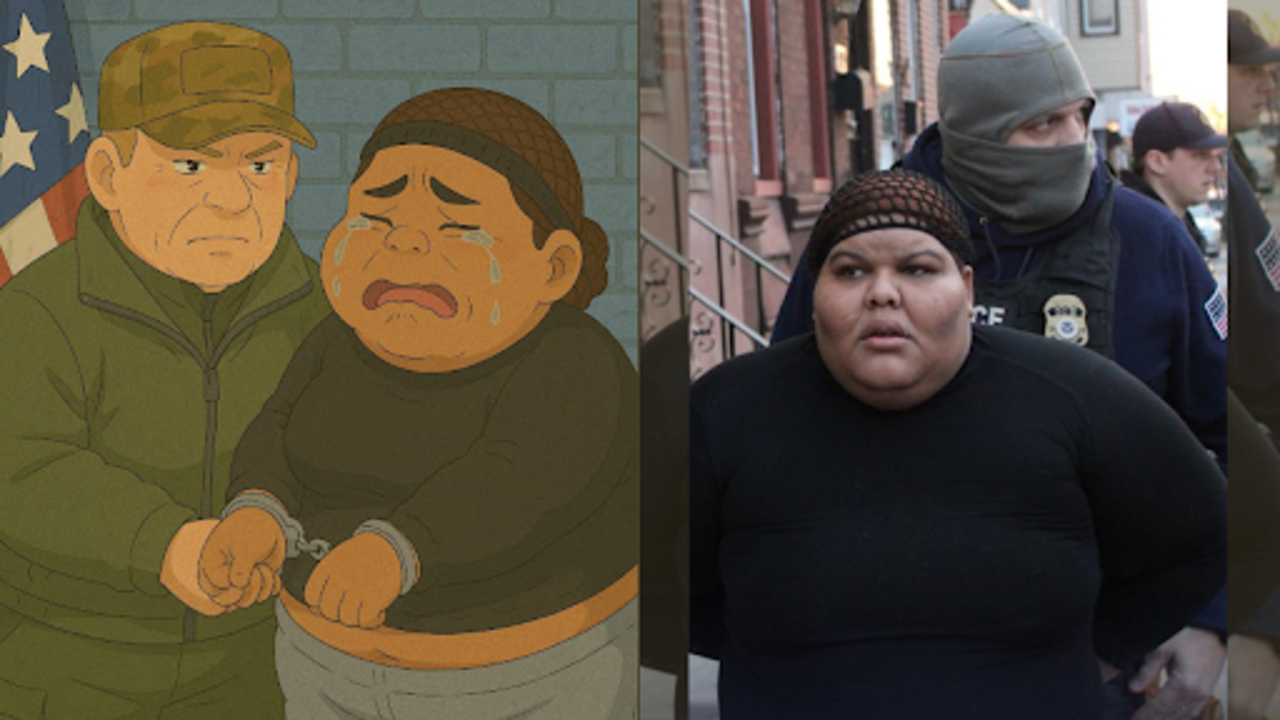
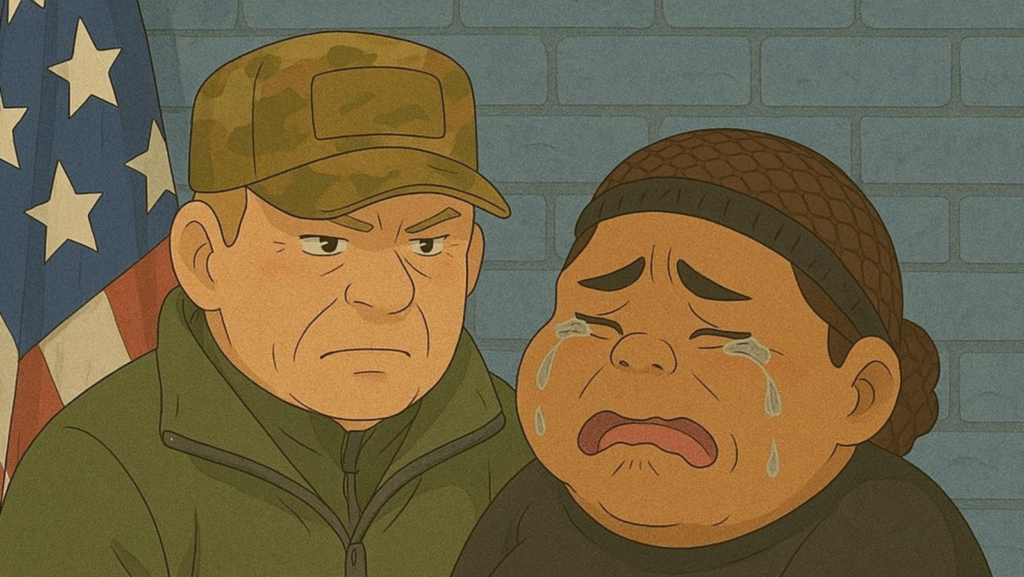
The White House is facing significant criticism after sharing a Ghibli-Inspired Image of Virginia Basora-Gonzalez, an illegal migrant and convicted fentanyl dealer, during her arrest by Immigration and Customs Enforcement (ICE) officers.
The image, posted on the White House’s official X (formerly Twitter) account, depicted Basora-Gonzalez in tears as she was taken into custody on March 12. The move has sparked a wave of backlash, with critics questioning the administration’s decision to engage with an internet trend for such a serious issue.
The Controversy Surrounding the White House’s Post
Social media has been flooded in recent weeks with AI-generated images transformed into the distinctive animation style of Studio Ghibli, a trend that gained popularity through OpenAI’s ChatGPT.
Brands, influencers, and political figures have joined the viral trend, sharing their own Ghibli-style illustrations. However, the White House’s decision to use this format for an image of a convicted fentanyl dealer’s arrest has not been well received.
Critics argue that the image trivializes the issue of drug trafficking and illegal immigration, turning a serious law enforcement action into an internet spectacle. Many users on X expressed their dismay, with one commenter stating, “Just my two cents: official government accounts should NEVER try to be cool or trendy.
This is even more cringy than when the FDA did this.” Another user commented, “We’re living in levels of dystopia so deep that Black Mirror couldn’t even prophesise, parody, or emulate it.”
Many others questioned whether the illustration was an appropriate representation of leadership. “This is horrible leadership. I’m on board with strict borders. But mocking them? This is embarrassing and shameful,” one user remarked.
Read : Comedian Amber Ruffin Who Roasted Trump Dropped as Host of Annual White House Dinner
Another added, “I don’t care if you’re a Republican or a Democrat or if you oppose immigration or support it, this is not the behavior of responsible adults who are charged with the nation’s well-being.”
https://t.co/PVdINmsHXs pic.twitter.com/Bw5YUCI2xL
— The White House (@WhiteHouse) March 27, 2025
While the White House has yet to release an official statement addressing the backlash, political analysts suggest that the move may have been intended as a form of engagement with younger, internet-savvy audiences. However, the negative reception indicates that many see it as a miscalculation rather than an innovative communication strategy.
Ethical Concerns Over AI-Generated Ghibli-Style Images
Beyond the immediate controversy surrounding the White House’s use of the illustration, the situation has reignited ethical debates regarding AI-generated art. The viral trend of AI-generated Studio Ghibli-style images has raised concerns about the use of AI tools trained on copyrighted works.
Many artists and industry professionals have expressed frustration that AI models are generating artwork that mimics the distinct styles of renowned studios without authorization or compensation.
Studio Ghibli co-founder Hayao Miyazaki, who is known for his strong political stances, has long been vocal about his skepticism toward artificial intelligence in creative fields. His past criticisms of AI-generated content have resurfaced amid the controversy, with many arguing that he would likely disapprove of the White House’s use of Ghibli-inspired imagery for a political message.
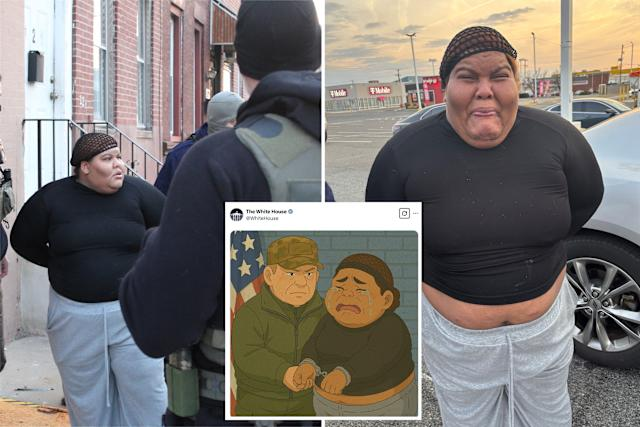
Miyazaki notably refused to attend the 2003 Oscars when “Spirited Away” won, citing his opposition to visiting a country engaged in the Iraq War. The ethical concerns extend beyond individual artists and studios, as the broader implications of AI-generated art continue to be debated.
OpenAI has actively encouraged AI-generated art experiments, with its CEO, Sam Altman, even changing his own X profile picture to a Ghibli-style portrait. However, as the technology becomes more widespread, questions regarding copyright infringement, artistic integrity, and ethical boundaries remain unresolved.
Divided Opinions on the White House’s Decision
While much of the response to the White House’s illustration has been negative, there are those who defended the decision. Some argue that the illustration helped highlight the severity of fentanyl trafficking and the dangers posed by individuals like Virginia Basora-Gonzalez.
One user wrote, “I don’t know about you, but if you haven’t lost someone to fentanyl laced into something else, maybe sit this one out. This woman kills strangers without consequence, and the top replies are scolding the White House for taking her off the streets? Even accounts I used to respect. Wild how many people here are this naive.”
This perspective reflects a sentiment that the White House’s focus should be on enforcing strict immigration and drug enforcement policies rather than appeasing social media critics.
Those in favor of the post argue that fentanyl-related deaths have devastated communities across the United States, and that the removal of traffickers from the streets should take priority over concerns about the format in which the arrest was presented.
However, even among those who support strict immigration enforcement, there is disagreement about whether the use of Ghibli-style AI art was an appropriate way to communicate the message. Some believe that it undermines the gravity of the situation, reducing a law enforcement action to an internet meme rather than a serious issue of national concern.
As the debate continues, the White House faces mounting pressure to clarify its position on the use of AI-generated art in official government communications. Whether this controversy will lead to policy changes or simply be absorbed into the ongoing discourse on political messaging remains to be seen.
For now, the incident serves as yet another example of the complex and often unpredictable intersection of politics, technology, and internet culture.