
The internet was recently rocked by a bizarre and thought-provoking question that quickly spiraled into a viral debate. On April 24, X user Michael Sherrills posed a hypothetical scenario: Could 100 average, unarmed men defeat a single adult male gorilla in a fight? What began as a simple and outlandish question soon exploded into a viral phenomenon, catching the attention of internet personalities, including YouTube star MrBeast and tech mogul Elon Musk.
The unusual topic reached new heights when the White House itself weighed in, contributing to the ongoing debate. This post explores how an online meme spiraled into something larger than anyone could have anticipated and the unexpected way it brought in real-world political commentary.
The Viral Question and Its Surprising Popularity
Michael Sherrills, a 25-year-old from the United States, never expected his casual hypothetical about a fight between 100 men and a gorilla to gain the level of attention it did. The question, though seemingly nonsensical, quickly captured the imagination of internet users who couldn’t resist debating the possibility of such a bizarre scenario.
What makes this question so captivating? It’s a blend of absurdity and curiosity. The unpredictability of the scenario allowed people to engage in both serious and humorous discussions, pulling in people from all walks of life. The idea of such an epic struggle—humanity versus nature—resonates with a certain part of the human experience: the desire to challenge the impossible.
The question’s popularity exploded thanks to memes, polls, and the unique nature of the topic. Online communities embraced the absurdity, fueling a global discussion on social media platforms like X and Reddit.
100 men vs 1 gorilla is still up for debate.
— The White House (@WhiteHouse) May 1, 2025
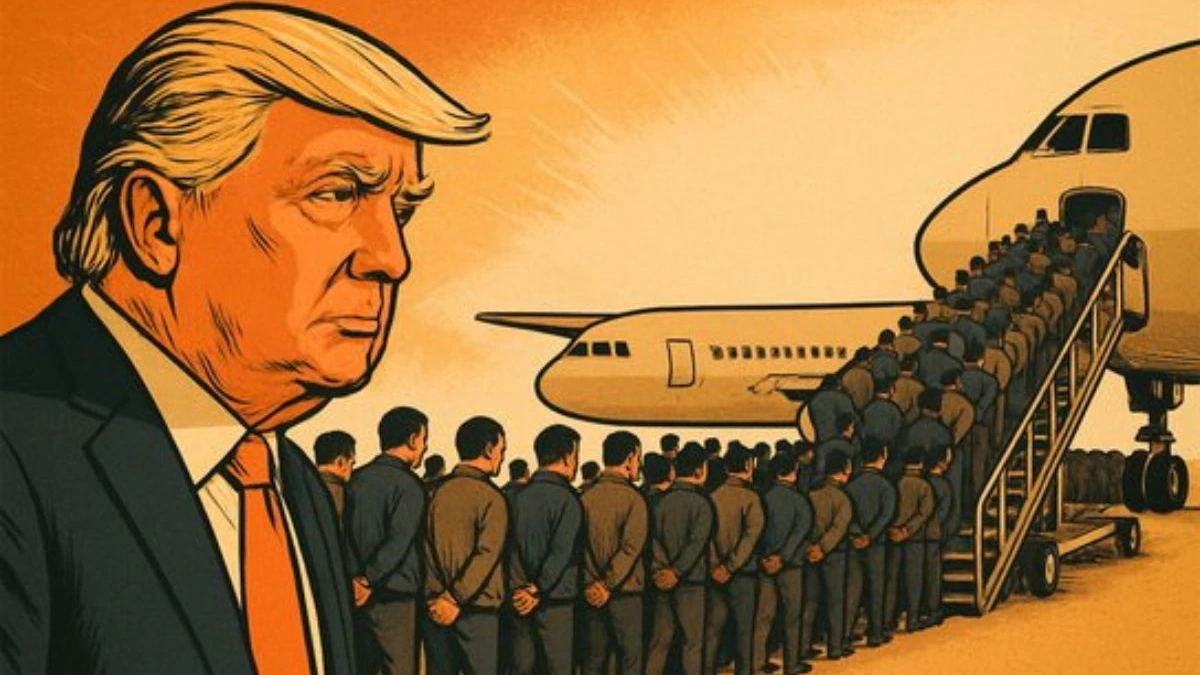
Meanwhile, 142,000+ illegal alien criminals went up against 1 President Trump —
They all got deported. 🤭 pic.twitter.com/2LaXNC3IEG
It became an internet phenomenon, showcasing the power of the collective curiosity of people from around the world. But just as the debate was taking off, a surprising development occurred that pushed the conversation even further into the mainstream.
MrBeast and Elon Musk Join the Conversation
As is often the case with viral internet trends, major influencers eventually take notice. YouTube sensation MrBeast (Jimmy Donaldson) added his own twist to the debate, posting a humorous fake YouTube thumbnail titled “100 Men vs. a Gorilla.” In the post, he jokingly asked, “Need 100 men to test this, any volunteers?”
His signature blend of humor and larger-than-life challenges struck a chord with his audience, generating even more buzz around the original question. MrBeast is known for his extravagant challenges, often involving massive sums of money and impossible feats. Adding his name to the debate was a natural fit for the star and contributed to furthering the conversation about a topic that many might have previously dismissed as silly.

However, it was tech mogul and SpaceX CEO Elon Musk who made waves with his own comment on the matter. Musk, never one to shy away from public commentary, responded to MrBeast’s post with a cheeky remark: “Sure, what’s the worst that could happen?”
Read : 17 Year Old Nikita Casap Killed Parents to Use Their Money to Kill Trump
This playful response added another layer of intrigue and humor to the entire debate. Musk’s involvement not only boosted the question’s visibility but also highlighted his penchant for indulging in internet culture and using his social media influence for irreverent conversations. Both MrBeast and Musk helped propel the conversation from a simple viral debate to something that even the White House could not ignore.
The White House Joins the Debate with a Political Twist
In an unexpected turn of events, the official White House social media account decided to capitalize on the viral trend, incorporating it into a political statement. On Thursday, the White House posted a meme that drew a direct comparison between the “100 men vs. gorilla” debate and the issue of immigration in the United States.
The meme showed several immigrants boarding a plane alongside an image of President Donald Trump. The caption read: “100 men vs. 1 gorilla is still up for debate. Meanwhile, 142,000+ illegal alien criminals went up against 1 President Trump —They all got deported.”
This controversial post drew immediate attention, not only for its political implications but also for the way it leveraged the viral debate to make a point about the Trump administration’s approach to immigration.

The meme claimed that 142,000 individuals—presumably referring to people who had been deported—had “gone up against” Trump. This comparison, while clearly exaggerated for humor, reflected the administration’s firm stance on deportation and immigration enforcement. The post quickly went viral, racking up over 500,000 views in a matter of hours.
The meme’s success was likely a result of its clever use of internet culture and its alignment with a wider political narrative. By tapping into the humor of the “100 men vs. gorilla” debate, the White House found a way to turn a silly meme into a platform for political commentary.
This instance demonstrates how political entities are increasingly willing to engage with popular internet trends to reach and influence a broader audience, especially when it comes to issues like immigration.
Why the White House Post Went Viral
The White House’s meme not only gained traction due to its controversial subject matter but also because of its unique blend of politics and internet humor. By making a reference to a viral, nonsensical debate, the White House demonstrated a keen understanding of the modern political landscape, where memes and online content have become integral to public discourse.
The blending of a lighthearted viral trend with a serious political message made the post particularly shareable, as it invited both laughter and reflection on the subject of immigration. In this instance, the internet’s power to spark conversations, even about the most absurd topics, was fully on display.
What began as a strange, hypothetical question about a gorilla and 100 men evolved into a multifaceted debate, with involvement from major influencers, celebrities, and even political figures. The White House’s engagement with the trend only amplified the conversation, turning a meme into a potent tool for commentary.
The Lasting Impact of the ‘100 Men vs Gorilla’ Debate
While it’s uncertain if the debate will continue to hold the same level of attention in the long term, it’s clear that the “100 men vs gorilla” question tapped into something deeper: the internet’s ability to generate widespread engagement around absurd topics.
In the age of memes, viral trends, and influencers, it’s no surprise that such a random question could spiral into an event involving celebrities, politicians, and millions of people worldwide. It speaks to the collective creativity and absurdity of internet culture, where almost anything can become a topic of debate, humor, and discussion.

The question also served as a reminder of the internet’s unique ability to create viral moments that can transcend their original context. What began as a lighthearted inquiry into the hypothetical strength of a gorilla evolved into a complex and multi-layered conversation that blended humor, politics, and global debate.
The fact that even the White House joined in, using the trend for political commentary, demonstrates just how much power memes and viral trends now have in shaping modern political narratives and public perception.
The viral question about 100 men versus a gorilla, despite its humorous and absurd nature, captivated millions and sparked an unexpected wave of global discussions.
From the involvement of internet celebrities like MrBeast and Elon Musk to the surprising political commentary from the White House, the debate transcended the digital world and entered real-world discussions.
Whether you viewed it as a lighthearted internet joke or as a commentary on immigration, the saga of the “100 men vs. gorilla” question illustrates the profound influence internet culture has in shaping modern discourse, even in the most unlikely of ways.
What began as a silly question posed by a single person turned into a global phenomenon, showing just how powerful the internet can be in shaping ideas, influencing public opinion, and even creating viral political statements.