

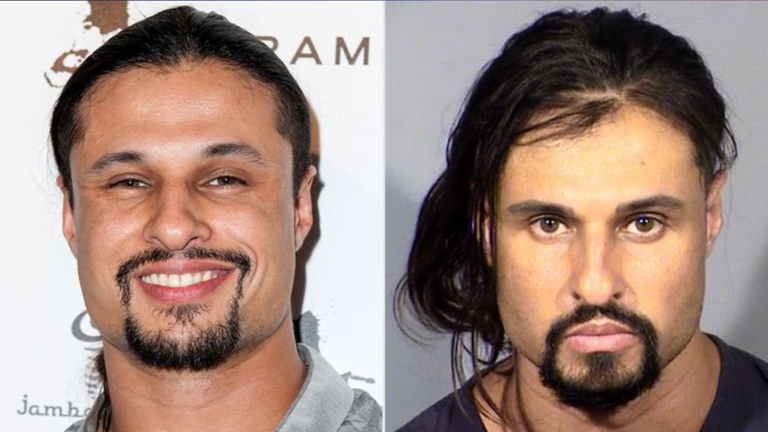
Ash Armand, born Akshaya Kubiak, first entered the public spotlight through Showtime’s provocative reality series Gigolos, where he gained a fanbase for his blend of spiritual mysticism, physical charisma, and openness about working as a male escort in Las Vegas. With his flowing hair, lean muscular build, and cryptic spiritual expressions, Armand was unlike any other member of the cast.
He wasn’t merely a sex worker in the eyes of his audience—he fashioned himself as a tantric healer, someone who saw sex work through a lens of energy, connection, and enlightenment. Yet, behind the spiritual façade was a complex and troubled man whose life eventually took a tragic and violent turn.
In 2020, Ash Armand was arrested for the death of his girlfriend, identified as Dana Blakely. The shocking nature of the crime—combined with his image as a peace-preaching, spiritually inclined figure—sent ripples through social media and entertainment circles. The charges were grim: Blakely was found lifeless in his Las Vegas home, with clear signs of trauma. Armand was arrested on the spot and charged with murder.
In a legal process that extended for years, it was in 2024 that he was ultimately convicted—not of murder, but of voluntary manslaughter, a lesser but still serious charge that suggested a sudden act of violence rather than a premeditated killing.
The Rise and Fall of a Television Persona
On Gigolos, Ash Armand’s role was more than just one of a professional escort—he cultivated an identity rooted in New Age spirituality. He often spoke about love as energy, spiritual connectivity, and emotional healing through touch.
These talking points gave him a distinctive image among his peers and made him something of a “spiritual sex symbol” in niche internet circles. But while the show brought him fame, it also blurred the lines between performance and reality.
Offscreen, Armand began to post more frequently about his beliefs, often referencing practices like tantra, meditation, and energy healing. His social media presence reflected someone who saw himself as a guide or spiritual teacher, sharing cryptic insights about love, transformation, and cosmic consciousness. However, this public persona clashed dramatically with what was uncovered in court proceedings during his trial for Blakely’s death.
Read : Anthony Ricco Who Defended Osama Bin Laden in 2001 Refuses to Defend Sean ‘Diddy’ Combs’
Prosecutors alleged that Armand was under the influence of narcotics during the incident and had a history of emotional instability. Witnesses spoke of erratic behavior, intense jealousy, and controlling tendencies in his relationship with Blakely.
Read : Controversy Erupts Over Rape Scene in Donald Trump Movie ‘The Apprentice’
While he initially pleaded not guilty, a plea deal led to his conviction for voluntary manslaughter in April 2024, which carries a lighter sentence than first-degree murder but still recognizes that his actions led directly to another person’s death. The reality star who once preached peace and sensual healing was now a convicted felon.
Ash Armand and the Diddy Connection: A Deeper Look
In the aftermath of Armand’s arrest and subsequent conviction, an unexpected name surfaced in connection with the case—Sean “Diddy” Combs. The mention of Diddy raised eyebrows across media platforms. Why would a former reality TV escort have any ties to one of the most influential figures in the music industry?
Rumors about Armand’s association with Diddy were not entirely new. Over the years, whispers of a shadowy network involving celebrities, escorts, and underground parties occasionally reached tabloids and fringe online forums. Armand himself had, in older social media posts, alluded to attending elite parties and knowing people “in the industry.”
At the time, these vague comments seemed like nothing more than an attempt to bolster his image. However, following the allegations against Diddy in 2024—ranging from sexual assault to involvement in coercive and exploitative environments—the dots began to connect for some observers.
While Armand was never named in any of the lawsuits filed against Diddy, investigative reporting following his conviction revealed that he had, on multiple occasions, attended private events hosted by individuals in Diddy’s inner circle.
Sources with knowledge of these events described them as “exclusive parties” involving models, performers, and high-profile guests where drug use and sex were reportedly rampant. Armand, known for his looks and willingness to cater to wealthy clients, was allegedly a regular presence.
One report suggested that Armand had at some point been introduced to Diddy through a mutual acquaintance in the adult entertainment world. The nature of their relationship remains unclear. There is no direct evidence tying Diddy to the crime that led to Blakely’s death, nor is there evidence that he was aware of Armand’s emotional or psychological state.
However, the implication of their connection, especially in light of the broader accusations against Diddy, adds another layer of intrigue and unease to the story. As Diddy continues to face mounting legal pressure over allegations related to abuse and misconduct, scrutiny over his social network has grown.
This includes examining the types of people he associated with and those who frequented his parties. Ash Armand, once a peripheral figure in entertainment, now becomes part of that web—a tragic and violent example of what may happen when toxic environments intersect with fragile egos and untreated personal trauma.
Legal Outcome and Cultural Reflection
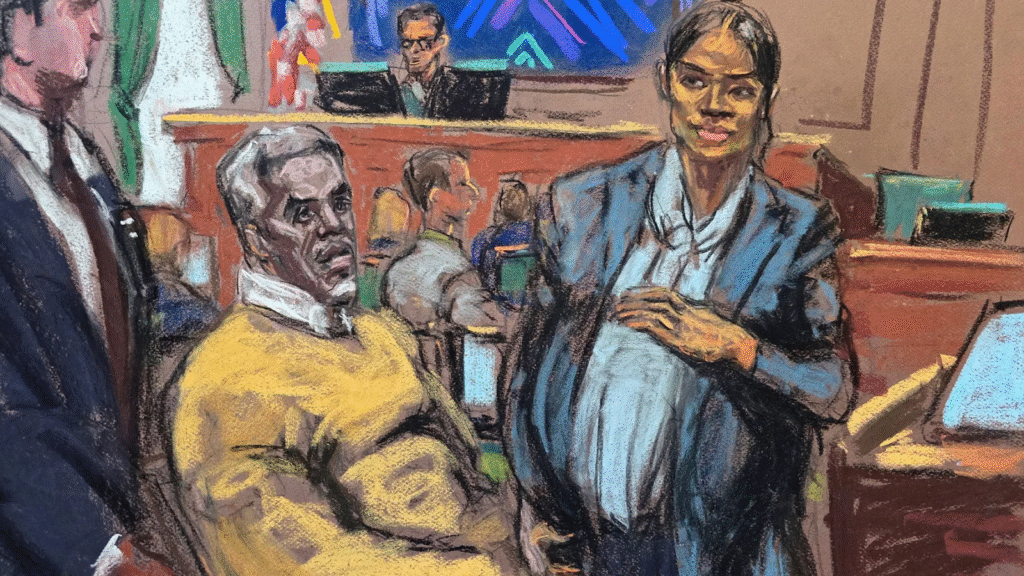
Ash Armand’s conviction in 2024 marks the end of a long, tragic arc. He was sentenced to a term of 10 to 25 years, with the possibility of parole after the first decade. In court, he appeared a shadow of his former self—gaunt, silent, and no longer projecting the spiritual wisdom that once defined his public persona. No social media messages, no mantras about healing and love. Just silence, as he accepted the sentence that would define the rest of his life.
The public reaction to his conviction was mixed. Some fans from his Gigolos days expressed disbelief, while others—especially those familiar with the signs of abuse and manipulation—weren’t surprised by the outcome. There was a sobering lesson embedded in Armand’s story: the masks people wear, especially in public life, can be dangerously misleading.
Media analysts and cultural critics have used Armand’s story as a cautionary tale. On one level, it highlights how reality TV often glamorizes individuals without probing deeply into their psychological wellbeing. On another level, it serves as a grim reflection of the blurred lines between fame, access, and accountability.
His connection, however tenuous, to a figure like Diddy has led to wider conversations about the environment that fame and power can create—one where vulnerable individuals are elevated, used, and eventually discarded.
And then, there’s the issue of domestic violence. Blakely’s death has been overshadowed in many narratives by Armand’s fame and his association with celebrity culture. But her story, her life, and the tragedy of her death should remain central. Advocacy groups have since called for better protections for women in toxic relationships, more accessible mental health care, and greater awareness of emotional abuse warning signs.
As Armand serves his sentence, and as investigations into Diddy continue, one thing remains clear: the world of celebrity, reality TV, and underground entertainment is far more complex—and often far darker—than it appears on the surface. The story of Ash Armand is no longer just one of a reality star gone astray. It’s a symbol of the deeper problems that lie at the intersection of power, image, and unchecked behavior.
For now, there are no new charges linking Diddy directly to Armand’s crimes. But their connection—through parties, mutual acquaintances, and perhaps shared environments—will continue to be scrutinized. Whether that leads to revelations or remains a disturbing footnote in two parallel scandals, only time will tell.