
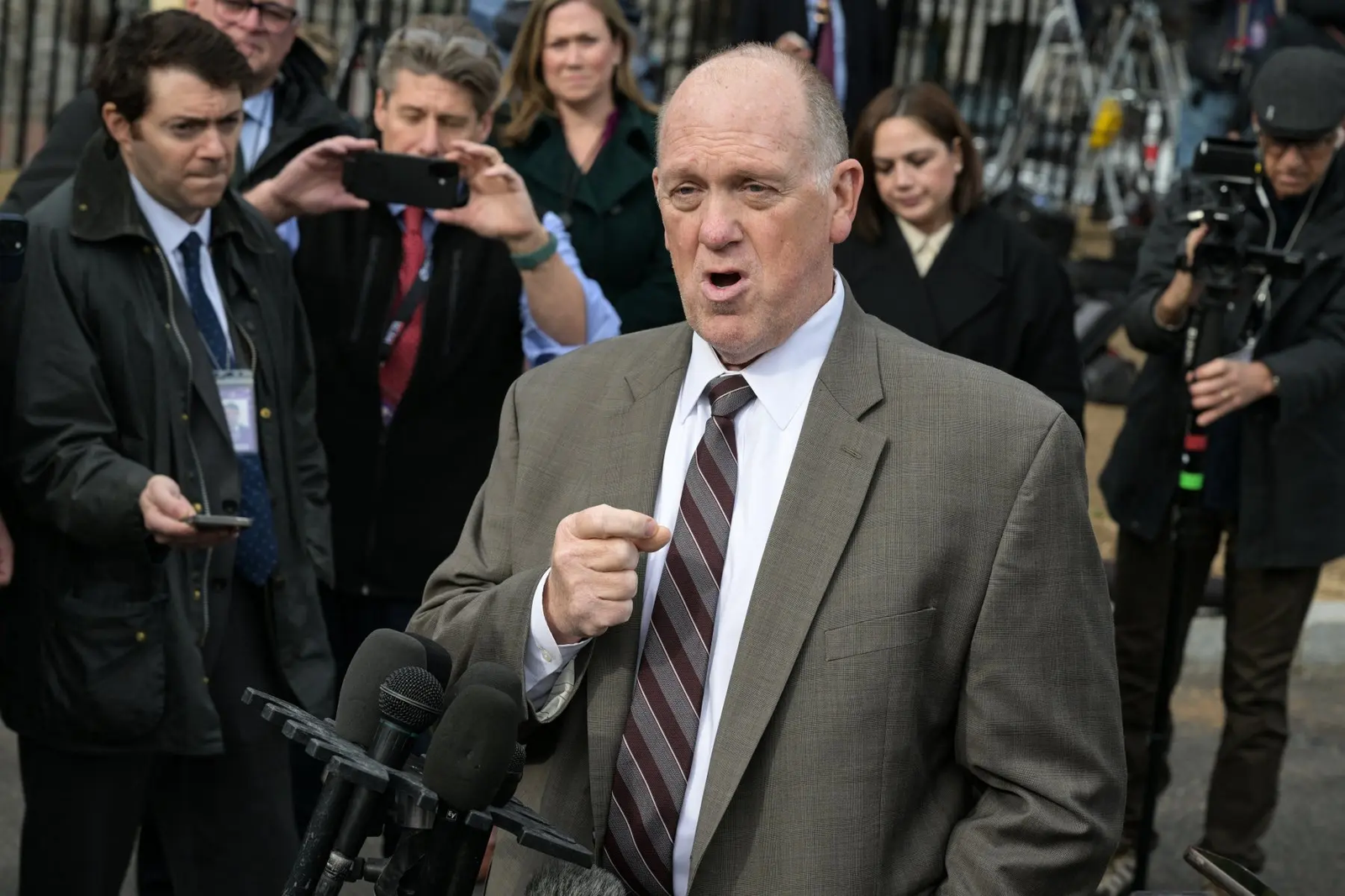
Tom Homan, a veteran immigration enforcement official and one of President Donald Trump’s most trusted hardliners on border policy, has been dispatched to Minnesota amid intensifying backlash over the fatal shooting of Alex Pretti, a 37-year-old intensive care nurse killed during a federal immigration operation in Minneapolis. His arrival comes as the White House appears to be recalibrating its approach following widespread protests, political pressure from both parties, and mounting questions over the conduct of federal agents involved in two fatal shootings of US citizens in the city within weeks.
Homan’s role, reporting directly to the president, places him at the centre of a highly charged moment that blends immigration enforcement, federal authority, civil liberties, and political fallout in a state already strained by months of aggressive operations. The decision to elevate Homan’s on-the-ground role coincides with the expected departure of Border Patrol Commander Gregory Bovino, who had become the public face of the Minneapolis crackdown.
While the Department of Homeland Security has denied that Bovino was removed from his post, the shift in leadership signals an effort by the Trump administration to contain a crisis that has grown beyond immigration policy and into a national debate over federal use of force, accountability, and the limits of executive power. Homan’s long history in immigration enforcement, including service under both Republican and Democratic administrations, is now being tested under circumstances that demand not only operational control but political restraint.
A Career Forged in Immigration Enforcement
Tom Homan’s rise to prominence is rooted in decades of work within the US immigration system. A former police officer, Homan joined immigration enforcement in the 1980s and built a reputation as a disciplined, uncompromising official focused on deportations and interior enforcement. He served as acting director of Immigration and Customs Enforcement during Trump’s first term, where he became one of the administration’s most outspoken advocates for strict immigration controls, including expanded arrests, workplace raids, and the removal of undocumented immigrants with criminal records.
Homan’s tenure at ICE coincided with some of the most controversial policies of Trump’s first presidency. He publicly defended aggressive enforcement actions and sharply criticised so-called “sanctuary cities,” arguing that local resistance to federal immigration authorities endangered public safety. His direct communication style, frequent media appearances, and willingness to confront critics made him a favourite among immigration hardliners and a lightning rod for opposition groups.
Even after leaving his formal role at ICE, Homan remained a close adviser to Trump, often referred to informally as the president’s “border czar.” Notably, Homan’s career also includes service during the Democratic administration of Barack Obama, when deportations reached historically high levels. Supporters point to this bipartisan background as evidence of his institutional experience and understanding of immigration law enforcement beyond partisan politics.
Read : Kiwi Wonders: Exploring New Zealand’s Top Natural Attractions
Critics, however, argue that his methods have consistently prioritised enforcement over community trust, setting the stage for confrontations such as those now unfolding in Minneapolis. His dispatch to Minnesota reflects the White House’s belief that a seasoned operator with deep knowledge of federal immigration machinery can stabilise a volatile situation without abandoning the administration’s broader crackdown.
The Minneapolis Crisis and a Shifting White House Strategy
The immediate context for Homan’s arrival is the fatal shooting of Alex Pretti on Saturday, an incident that ignited protests and drew national scrutiny. Pretti, described by family members as an observer filming federal agents, was shot multiple times during a confrontation with immigration officers. The Department of Homeland Security has stated that agents acted in self-defence, claiming Pretti had a handgun and resisted attempts to disarm him.
That account has been challenged by eyewitnesses, local officials, and Pretti’s family, who say he was holding a phone, not a weapon. Analysis of available video footage has found no visible gun in Pretti’s hand. The shooting was the second time in January that a Minneapolis resident was killed by federal immigration officials, following the death of Renee Good earlier in the month. Together, the incidents have fuelled anger across Minnesota, with demonstrators accusing federal authorities of excessive force and a lack of transparency.
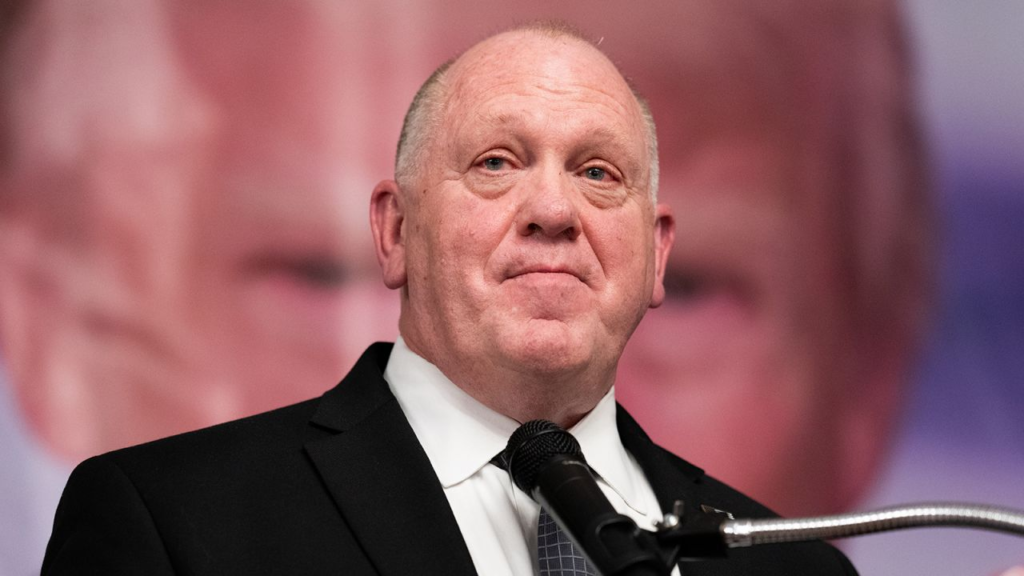
Much of that anger was directed at Bovino, who had been active on social media, posting promotional videos of raids and issuing inflammatory statements that protesters say escalated tensions. His claim that Pretti intended to “massacre” agents was widely criticised and became a rallying point for demonstrators demanding accountability. Against this backdrop, the White House has shown signs of moderating its tone.
Trump has held phone calls with Minnesota Governor Tim Walz and Minneapolis Mayor Jacob Frey, both Democrats who had previously clashed with the administration over the presence of federal agents. The president described those conversations positively and avoided repeating the harsh rhetoric used by some aides in the immediate aftermath of the shooting. He indicated a willingness to consider reducing the number of federal agents in the state and to support an independent investigation led by Minnesota authorities, a key demand from state leaders.
Homan’s role in this recalibration is central. While he is a staunch advocate for aggressive enforcement, he also brings experience navigating intergovernmental tensions. His task in Minnesota appears twofold: to maintain federal control over immigration operations while defusing political pressure that threatens to undermine the administration’s broader agenda. The continued presence of thousands of immigration agents in the city, alongside reports that raids have not ceased, underscores the challenge of balancing operational continuity with public outrage.
Political Fallout and the Stakes for Federal Authority
The fallout from the Minneapolis operations has extended well beyond local protests. Prominent Republicans have joined Democrats in calling for a thorough, independent investigation into Pretti’s death. Some have urged the administration to adopt a more measured approach, recognising the gravity of two fatal shootings involving federal agents and US citizens. A Republican candidate for Minnesota governor withdrew from the race, describing the enforcement operation as an “unmitigated disaster,” while others have warned that unchecked federal action risks eroding public trust and constitutional norms.
Read : 37-Year-Old ICU Nurse Alex Pretti Fatally Shot by Federal Agents in Minneapolis
At the same time, Trump allies have defended the decision to send Homan, framing it as a stabilising move rather than a retreat. Supporters argue that Homan’s direct reporting line to the president allows for clearer command and accountability than the fragmented leadership seen during Bovino’s tenure in the city. They contend that maintaining firm immigration enforcement while ensuring credible investigations is not mutually exclusive, and that Homan is uniquely positioned to oversee both.

For Minnesota officials, the stakes are high. Governor Walz has emphasised the need for an independent investigation and criticised previous instances in which state and local authorities were excluded from inquiries into federal shootings. Minneapolis Mayor Jacob Frey has expressed hope that discussions with Homan will lead to de-escalation and clearer boundaries between federal and local law enforcement. The outcome of these talks will likely shape not only the immediate response to the Pretti shooting but also future federal operations in states resistant to the administration’s deportation drive.
Nationally, the episode has become a test case for Trump’s immigration crackdown launched in December following fraud convictions involving Somali immigrants in Minnesota. The state’s large Somali community has been deeply affected by the operations, and community leaders have warned that fear and disruption are spreading far beyond those targeted by enforcement. Residents have reported being afraid to leave their homes, while vigils and demonstrations continue to draw attention to the human cost of the crackdown.
Tom Homan’s presence in Minnesota thus represents more than a personnel change. It reflects a moment in which the administration must reconcile its hard-line immigration stance with the political and moral consequences of federal force. Whether Homan can contain the fallout, restore a measure of calm, and preserve the administration’s authority without further loss of life will shape perceptions of Trump’s immigration policy in the months ahead.