

A stark warning about the planet’s declining biodiversity has emerged from the latest Living Planet Report by the World Wide Fund for Nature (WWF).
The report reveals a catastrophic 73% decline in global wildlife populations over the last 50 years, attributing this loss to human activities.
Species across the globe, from tropical forests to marine ecosystems, are being pushed toward extinction at alarming rates, underscoring the urgent need for conservation efforts.
The Extent of Wildlife Populations Decline: A Global Catastrophe
The findings of the Living Planet Report paint a grim picture of the current state of global biodiversity. The report, which tracks more than 5,000 populations of birds, mammals, amphibians, reptiles, and fish, has recorded an average decline of 73% in wildlife populations between 1970 and 2020.
Read : Rare Owl Romance Video Captured by Wildlife Photographer Goes Viral: Watch
This drastic reduction is attributed primarily to human-induced activities such as deforestation, habitat destruction, pollution, and overexploitation of natural resources.
Read : Safari Dreams: Exploring the Top Places in Tanzania
One of the most alarming findings is the rapid decline of species that once thrived in diverse ecosystems. For instance, the Amazon pink river dolphin population has been decimated, with nearly 60% of the species wiped out due to pollution, illegal mining, and civil unrest.
Similar trends are seen in other regions, including the dwindling populations of elephants in tropical forests and the decline of hawksbill turtles off the Great Barrier Reef. These species are emblematic of the broader biodiversity crisis affecting ecosystems worldwide.
The report also highlights the devastating impact of habitat degradation, with deforestation and land-use changes being the primary culprits. Tropical rainforests like the Amazon, which once served as crucial biodiversity hotspots, are now teetering on the edge of ecological collapse.
The Amazon rainforest, in particular, is nearing a critical tipping point where it may no longer be able to absorb carbon dioxide, thus exacerbating global climate change. This loss of natural spaces is not only threatening wildlife but is also undermining the very ecosystems that humans depend on for clean air, water, and food.
Causes of Biodiversity Loss: Human Impact on Ecosystems
The primary driver of wildlife populations decline, according to the WWF report, is habitat destruction. Deforestation for agriculture, urban development, and mining has led to the fragmentation and loss of critical habitats, displacing species and disrupting ecosystems.
The conversion of wild landscapes into human-dominated environments has left many species without the necessary resources to survive, pushing them toward extinction.
Overexploitation of wildlife populations through activities such as hunting, fishing, and poaching has also significantly contributed to the decline of species. The illegal wildlife trade, particularly in regions like Africa and Southeast Asia, has decimated populations of elephants, rhinos, and tigers, among others.
Marine ecosystems are similarly affected, with overfishing leading to the collapse of fish populations and disrupting the balance of oceanic food chains.
Invasive species and diseases have further compounded the problem, often introduced by human activities such as international trade and travel. These invasive species compete with native wildlife for resources and sometimes spread diseases that local populations cannot resist.
Climate change, driven by human-induced greenhouse gas emissions, is another critical factor accelerating biodiversity loss. Rising temperatures, changing weather patterns, and increasing frequency of extreme events like floods and wildfires are putting additional stress on already vulnerable ecosystems.
Pollution, particularly plastic waste and chemical runoff, is wreaking havoc on both terrestrial and marine environments. The accumulation of pollutants in water bodies is causing widespread damage to marine life, with species such as sea turtles and seabirds being particularly affected by ingesting or becoming entangled in plastic waste.
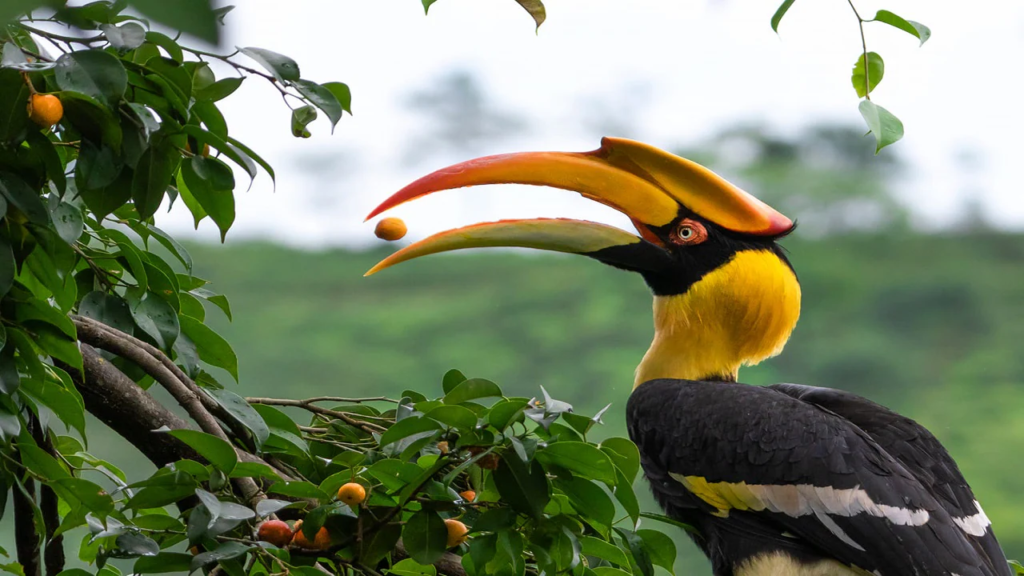
The Living Planet Report underscores that while some species have shown signs of recovery through dedicated conservation efforts, these successes are isolated and insufficient to counterbalance the widespread destruction of habitats.
Without immediate and large-scale intervention, many more species will face extinction, pushing ecosystems closer to irreversible tipping points.
Hope for the Future: Conservation Efforts and Global Action
Despite the dire findings, the WWF report offers glimmers of hope in the form of conservation success stories. One notable example is the mountain gorilla population in East Africa’s Virunga Mountains, which has seen a slow but steady increase of about 3% per year from 2010 to 2016.
This success can be attributed to targeted conservation efforts, including anti-poaching patrols, habitat protection, and community engagement programs that involve local populations in the preservation of these species.
The report emphasizes that while these isolated conservation efforts have yielded positive results, much more needs to be done on a global scale to prevent the continued loss of wildlife.
The upcoming United Nations Biodiversity Conference, where world leaders will gather to discuss how to restore nature, presents a critical opportunity for countries to commit to more ambitious conservation goals.
Almost 200 nations have already signed the landmark 2022 UN agreement aimed at reversing biodiversity loss, which includes setting aside 30% of the planet for nature by 2030.
However, the report warns that achieving these goals will require significant political will, financial investment, and international cooperation. Protecting biodiversity will necessitate addressing the root causes of habitat destruction, such as unsustainable agricultural practices, deforestation, and the exploitation of natural resources.
Moreover, concerted efforts are needed to combat climate change, which poses a growing threat to ecosystems worldwide.
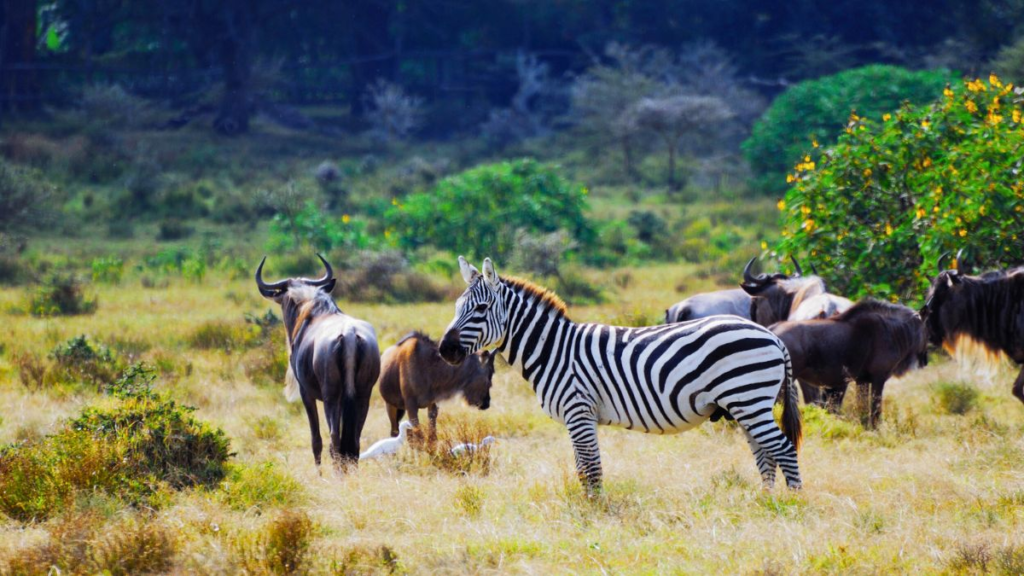
In addition to government action, the WWF stresses the importance of individual and community involvement in conservation. Raising awareness about the importance of biodiversity, reducing personal consumption of unsustainable products, and supporting conservation organizations are all steps that individuals can take to contribute to the preservation of wildlife.
Local communities, particularly those living near biodiversity hotspots, must also be empowered to participate in conservation efforts, as they play a crucial role in protecting and managing natural resources.
The WWF’s Living Planet Report is a sobering reminder of the urgent need to address the ongoing biodiversity crisis. With global wildlife populations having fallen by an average of 73% in just 50 years, the scale of the challenge is immense.
Human activities such as habitat destruction, overexploitation, and pollution have pushed many species to the brink of extinction, while climate change exacerbates these threats.
Despite the grim findings, there is still hope for the future. Conservation success stories, such as the recovery of mountain gorilla populations, demonstrate that with the right strategies and resources, it is possible to reverse the trend of biodiversity loss.
However, these isolated victories are not enough. To prevent further declines and protect the planet’s ecosystems, global leaders must take bold action to restore nature and mitigate the impacts of climate change.
As the world prepares for the United Nations Biodiversity Conference, the WWF report serves as an urgent call to action. Protecting biodiversity is not just about saving wildlife—it is about preserving the ecosystems that sustain life on Earth.
With concerted global efforts, there is still time to halt the decline of species and secure a sustainable future for generations to come.