
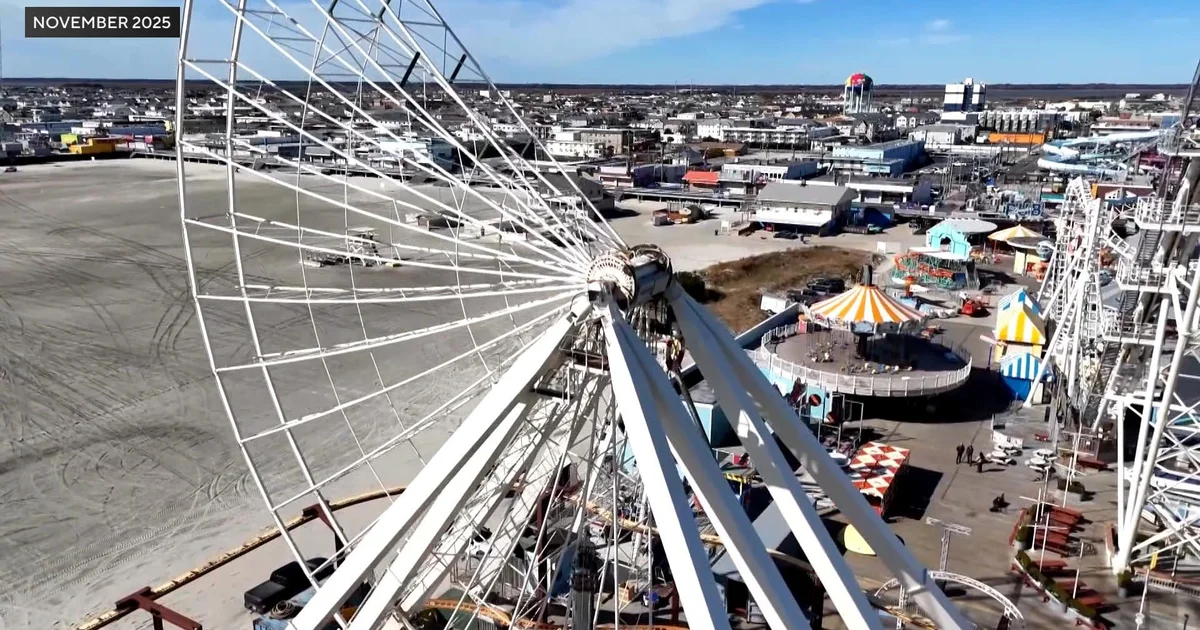
The arrest of a 67-year-old New Jersey resident in connection with the theft of valuable construction materials from a well-known seaside amusement site has drawn attention to both the vulnerability of large-scale renovation projects and the deep cultural significance of long-standing recreational landmarks. Authorities say that William Morelli allegedly removed large quantities of metal from a temporary work area connected to the refurbishment of the Giant Wheel, a towering attraction that has long been a defining feature of Wildwood’s boardwalk skyline.
The materials, valued at more than $175,000, were reportedly taken over multiple days before being sold to a scrap yard. The incident has been described not only as a significant financial loss but also as an emotional blow for those who view the Giant Wheel as a symbol of generational memories and community identity.
As the investigation unfolded, surveillance footage and witness information helped authorities identify a suspect, leading to Morelli’s arrest. While police have confirmed formal charges, the broader implications of the theft extend beyond the legal process. The case highlights challenges faced by construction projects operating in open or partially secured environments and underscores how even temporary work sites connected to iconic attractions can become targets.
The Giant Wheel itself has remained a central presence on the boardwalk for decades, drawing visitors from across the region. Its removal for repairs and eventual return are part of a carefully planned renovation effort intended to preserve its structure and ensure safe operation for future visitors. The theft, though disruptive, has not derailed plans for its reinstallation. Still, the circumstances surrounding the incident reveal a complex intersection of financial loss, logistical setbacks, and the emotional weight carried by a beloved landmark.
The Theft and Investigation
Authorities began their investigation after receiving a report of missing materials from a temporary work site located near Adventure Pier. The metal had been stored there as part of renovation activity associated with the Giant Wheel, which had previously been dismantled and transported elsewhere for structural repairs. The temporary staging area served as a storage and handling location for components and materials related to the refurbishment process.
According to police, the theft did not occur in a single event but unfolded over a period of several days. Investigators believe that substantial quantities of metal were removed gradually, allowing the suspect to transport and sell the materials without immediately attracting attention. The cumulative value of the missing metal eventually exceeded $175,000, placing the incident among the more significant construction-related thefts reported in the area.
The investigation began on February 4 after the loss was formally reported. Surveillance footage from the site played a crucial role in identifying a potential suspect. The reporting party provided police with both a description of the individual and details about a vehicle observed near the location. Using this information, investigators were able to connect the evidence to William Morelli, leading to his arrest.
Authorities allege that after removing the metal, Morelli sold the materials to a scrap yard. Scrap metal theft is a recurring issue in construction and infrastructure sectors, where valuable materials such as steel, copper, and aluminum can be resold quickly with limited traceability if proper safeguards are not in place. The resale of construction materials often complicates recovery efforts, as items may be processed or redistributed before investigators can intervene.
Morelli was charged with theft of movable property. After being processed, he was released, and details regarding his legal representation were not immediately available. While the criminal case will proceed through the legal system, investigators have already emphasized the importance of surveillance technology and public reporting in resolving the matter. Without video evidence and prompt communication from those overseeing the site, identifying a suspect might have taken significantly longer.
Read : 13-Year-Old UK Boy Gets World’s First Epilepsy Device Fitted in Skull
The case serves as a reminder that large renovation projects often involve temporary storage arrangements that may not have the same security measures as permanent facilities. Materials awaiting installation or transport can become attractive targets, particularly when they hold substantial resale value. Even high-profile projects linked to well-known attractions are not immune to such risks.
The Giant Wheel’s Legacy and Renovation
The structure at the center of the incident is far more than a collection of mechanical components. Rising 156 feet above the boardwalk, the Giant Wheel has stood as one of the tallest Ferris wheels on the East Coast and a defining visual element of Wildwood’s shoreline. Since its installation in the mid-1980s, it has provided panoramic views of the ocean and surrounding area, becoming a staple of summer tourism and family recreation.
Over the decades, the attraction has accumulated layers of sentimental value. Families have returned year after year, marking milestones and creating traditions centered around visits to the boardwalk. For many, a ride on the Giant Wheel is not simply an amusement but a ritual associated with vacations, celebrations, and shared memories. Its continued presence has helped anchor the identity of the surrounding entertainment district.
The decision to remove the wheel for repairs reflected the need to preserve both safety and longevity. Large amusement structures require periodic refurbishment, particularly after decades of exposure to coastal weather conditions such as salt air, wind, and seasonal temperature changes. Transporting the wheel for structural maintenance represented a significant undertaking, involving careful dismantling, transportation, and eventual reassembly.
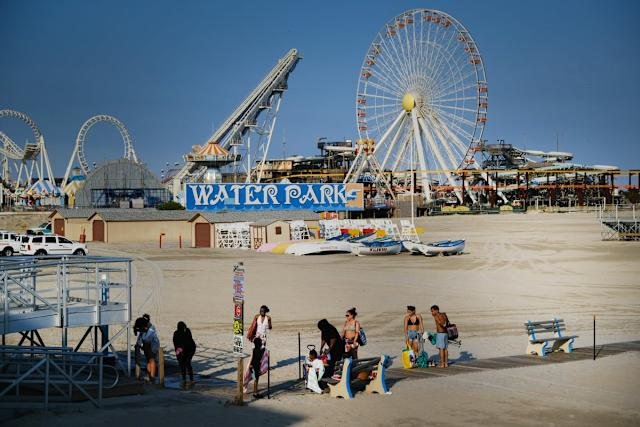
The temporary work site where the theft occurred formed part of this complex logistical process. Materials connected to the renovation were staged there before being incorporated into the ongoing restoration effort. Such sites often function as transitional spaces, bridging the gap between dismantling and reinstallation. While essential to large-scale refurbishment, these areas can also present security challenges, especially when located near open public environments like beachfronts and boardwalks.
Representatives of the amusement operation expressed deep disappointment following the theft, emphasizing that the Giant Wheel holds emotional meaning not only for employees but also for generations of visitors. The sense of loss described was not limited to financial cost but extended to the symbolic value of the structure itself. Even though the missing materials were part of the renovation process rather than the original wheel, the incident touched something larger: the preservation of a long-standing cultural fixture.
Despite the disruption, officials have maintained that renovation work remains on schedule. Plans call for the Giant Wheel to return in time for the 2026 season, which begins in May. The timeline suggests that while the theft created challenges, contingency planning and ongoing project management have allowed work to continue.
Large restoration projects often involve unexpected setbacks, from supply delays to logistical complications. The ability to maintain the project schedule in the face of such an incident reflects both operational resilience and the priority placed on restoring the attraction. For visitors who have come to associate the wheel with the start of summer, its anticipated return remains a focal point.
Broader Implications and Community Impact
Beyond the immediate circumstances of the arrest and charges, the incident raises broader questions about security, accountability, and the protection of public landmarks during renovation. Construction sites, particularly those connected to high-profile attractions, often contain materials of considerable value. When these sites are located in open or semi-public areas, maintaining consistent security becomes more complicated.
The alleged theft illustrates how incremental removal of materials can occur without immediate detection, especially when work is ongoing and inventory levels are changing. Monitoring systems, including surveillance cameras and routine inspections, play a crucial role in identifying irregularities. However, even with such measures in place, the scale and complexity of large renovation projects can create opportunities for unauthorized access.
For the surrounding community, the incident carries symbolic weight. The Giant Wheel is more than a mechanical structure; it represents continuity and shared experience. Any disruption connected to its restoration can feel personal for residents and frequent visitors. Expressions of heartbreak from those associated with the attraction reflect the emotional dimension of maintaining long-standing public spaces.

Economic considerations also come into play. Amusement piers and boardwalk attractions contribute significantly to seasonal tourism, which in turn supports local businesses. Renovation efforts are designed not only to preserve heritage but also to sustain economic vitality. Theft-related delays or increased costs could potentially influence project budgets, insurance considerations, and future security investments.
At the same time, the incident highlights the resilience of organizations responsible for maintaining large recreational landmarks. Continuing the renovation schedule despite material losses demonstrates an ability to absorb disruptions while preserving long-term goals. Such resilience is often essential in industries where infrastructure must endure decades of environmental exposure and evolving safety standards.
From a legal perspective, the charges against Morelli will proceed through established judicial processes. The case may also prompt renewed attention to scrap metal transactions and the tracking of materials originating from construction sites. Regulations governing scrap sales vary, but incidents of large-scale theft often lead to discussions about documentation, verification, and reporting requirements for recyclers and buyers.
The story ultimately combines elements of criminal investigation, infrastructure preservation, and community identity. It reveals how a single act of theft can intersect with economic interests, emotional attachments, and logistical planning. While the legal process addresses individual accountability, the broader narrative reflects the ongoing effort to protect and maintain spaces that carry collective meaning.
As renovation work continues and preparations move forward for the Giant Wheel’s return, the focus shifts toward restoration and continuity. The incident, though disruptive, has become part of the larger story of maintaining a landmark that has defined a coastal skyline for decades.