
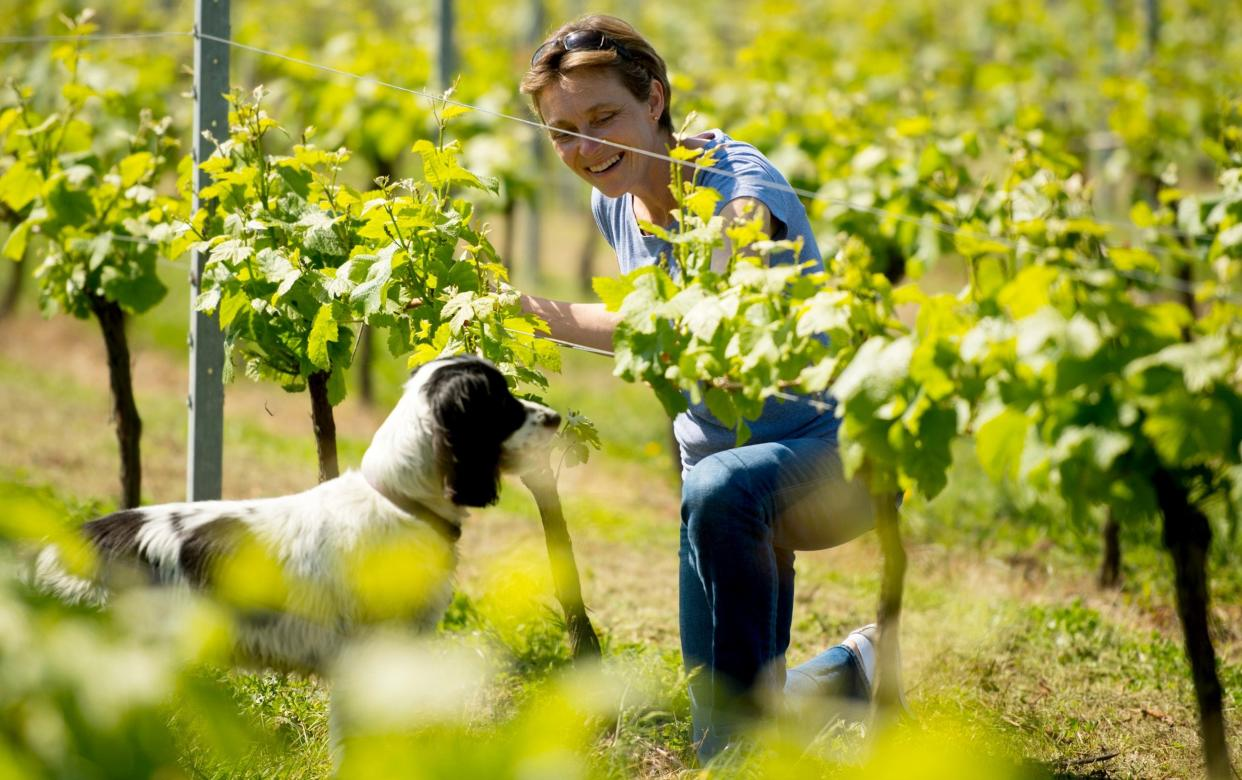
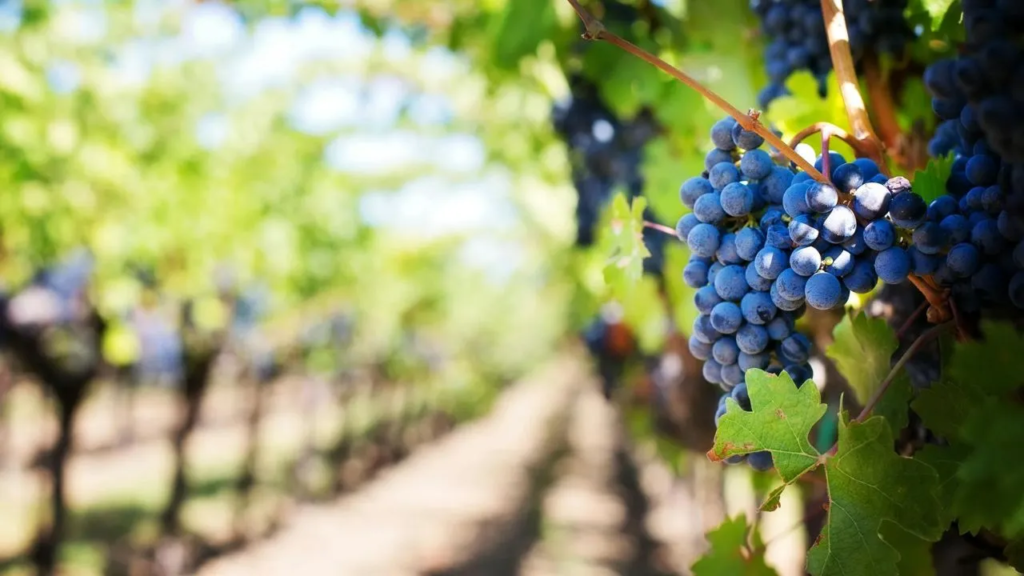
The Global Wine Production is a cornerstone of cultural heritage and economic activity. However, it faces a severe threat from viruses and pests, such as the vine mealybug and Leafroll 3 virus, which jeopardize the health of vineyards worldwide.
In a groundbreaking development, dogs have emerged as unlikely heroes, harnessing their acute sense of smell to detect and prevent the spread of these vineyard infestations. This innovative use of dogs could revolutionize vineyard management and bolster global wine production.
Canine Detectors – A Revolutionary Solution in Global Wine Production
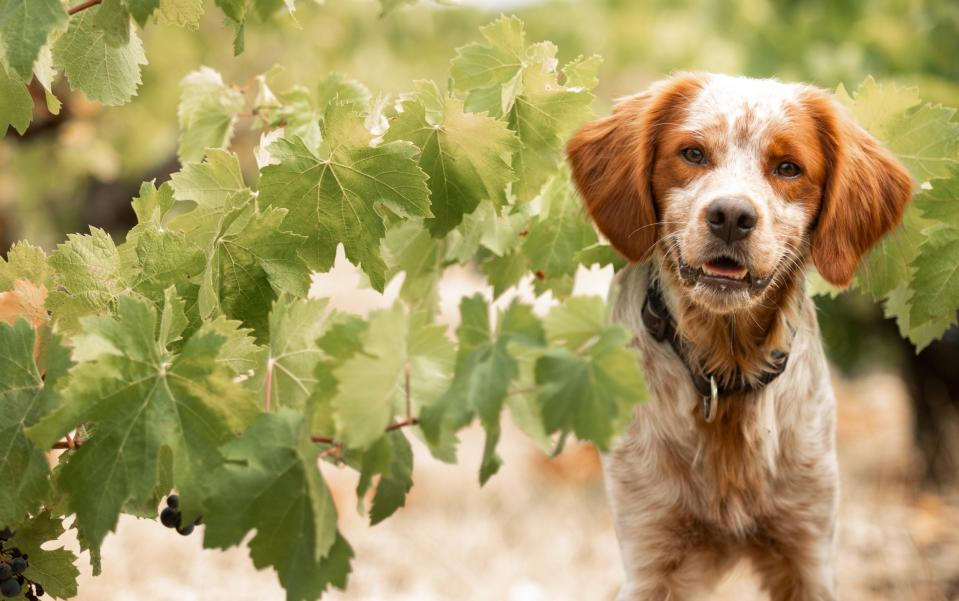
English Springer Spaniels, long celebrated for their prowess as gun dogs, are now taking on a new role as “winery dogs.” With their extraordinary olfactory abilities, these dogs can detect the presence of pests and viruses that threaten grapevines.
A pilot study conducted in California highlighted the effectiveness of this approach. Two Springer Spaniels, Sauvi B and Zinny, along with other breeds such as a German Shorthaired Pointer and a Labrador, demonstrated remarkable accuracy in detecting vine mealybugs and the Leafroll 3 virus.
Sauvi B and a German Shorthaired Pointer named Cab achieved a detection accuracy of 97.3% for mealybugs and a perfect 100% rate in ruling out infestations.
Read : Bizarre! North Korean Leader Kim Jong Un Bans Hotdogs in Country
Meanwhile, Zinny and a Labrador named Malbec achieved a detection rate of 93.4% for the Leafroll 3 virus. These results underscore the potential of dogs as a cost-effective, efficient solution for protecting vineyards from blight.
Read : Turkish Government Bill on Euthanasia for Stray Dogs Faces Anger and Criticism
The process involves training the dogs to recognize specific scents associated with infestations or infections. For every successful detection, the dogs are rewarded, making the task an enjoyable game for them. Over time, with consistent practice and positive reinforcement, their accuracy and efficiency improve even further.
The Threat of Mealybugs and Leafroll Virus
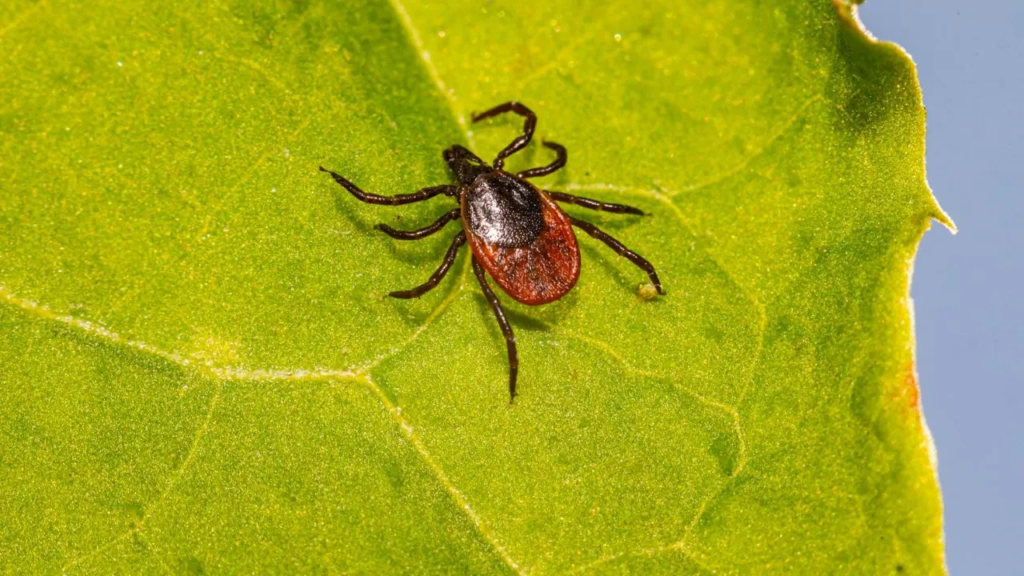
The vine mealybug, or Planococcus ficus, poses a significant challenge to vineyards due to its rapid reproduction and ability to spread infections like the Leafroll 3 virus.
This virus diminishes a vine’s health, reduces crop yields, and compromises the quality of grapes. Mealybugs are notorious for their ability to hitch a ride on birds, pruning tools, and harvesting equipment, making them difficult to control.
Traditionally, detecting these pests involves visual inspections, which are time-consuming, labor-intensive, and not always reliable. By the time visible signs, such as the fluffy white wax of mealybug colonies or stunted vine growth, become apparent, the infestation may have already caused extensive damage.
The Leafroll 3 virus further complicates matters, as it can silently devastate vineyards before growers notice its effects. With the help of trained dogs, vineyards can detect and address these threats early, significantly reducing crop losses and the spread of infections.
Sustainability and the Future of Vineyard Management
The use of dogs in vineyard management offers more than just effective pest control; it aligns with the global push toward sustainability. By detecting infestations early, vineyards can reduce their reliance on chemical pesticides, minimizing environmental impact and preserving biodiversity.
Stephanie Bolton, a grower research and education director at Lodi Winegrape Commission, has been a key advocate for this innovative approach.
Since 2020, she has been experimenting with canine detectors in vineyards, inspired by similar successes in the citrus industry. Her team’s findings reveal that dogs can seamlessly integrate into pest management systems, providing an economically feasible and scalable solution for the wine industry.
The potential for a widespread canine detection program is vast. Dogs can be trained to identify a range of vineyard threats, from pests to fungal diseases like powdery mildew. This adaptability further underscores their value as a sustainable and versatile tool for modern agriculture.
Preserving a Legacy
The integration of dogs into vineyard management is not just a technological advancement—it is a step toward preserving a centuries-old tradition.
The wine industry, rooted in cultural heritage and economic significance, depends on healthy vineyards to produce high-quality grapes. Protecting these vineyards from pests and diseases is paramount to ensuring the industry’s future.
The success of these canine programs could serve as a model for other agricultural sectors. Just as dogs have proven effective in detecting infections in the citrus industry, they could be deployed in other crops vulnerable to pests and diseases. This cross-industry applicability highlights the broader potential of canine-assisted agricultural management.
As the global wine industry continues to grapple with challenges posed by climate change, pests, and diseases, the role of dogs as protectors of vineyards is likely to expand. With ongoing research, training, and investment, these loyal and intelligent animals could become indispensable allies in the fight to safeguard global wine production.
The story of Sauvi B, Zinny, and their canine colleagues is a testament to the ingenuity of combining traditional practices with modern challenges. Their contribution to vineyard health not only ensures the sustainability of wine production but also showcases the remarkable capabilities of man’s best friend.