
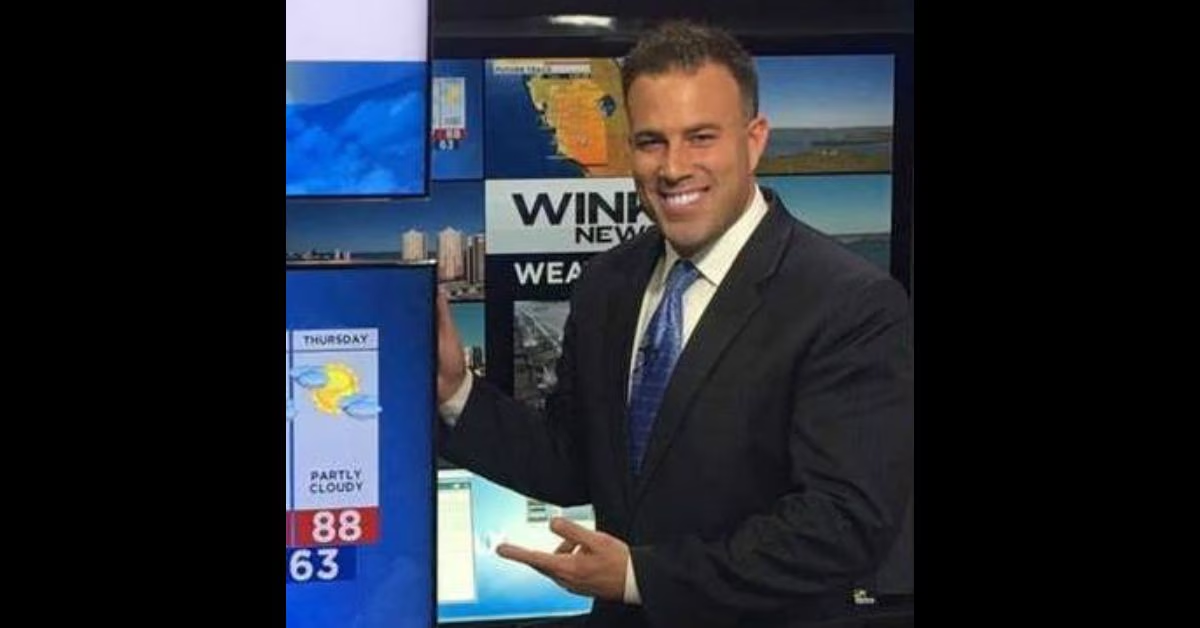
A legal dispute has emerged in Florida’s broadcast media landscape after WINK News filed a lawsuit against its former chief meteorologist, Matt Devitt, accusing him of violating employment agreements and building a competing weather business while still employed at the station. The lawsuit, filed by Fort Myers Broadcasting Company, spans 60 pages and seeks more than $100,000 in damages.
It also requests a court order to halt Devitt’s independent venture, signaling a high-stakes conflict that blends employment law, intellectual property concerns, and the evolving role of personal branding in local media. The case stems from Devitt’s termination in January, which he publicly described as sudden and unexpected. However, the broadcaster disputes that narrative, presenting internal records that suggest a history of disciplinary issues leading up to his dismissal.
At the center of the legal battle are allegations that Matt Devitt used company resources to establish a rival weather-related business and attempted to recruit colleagues to join his new venture while still under contract. The situation has not only raised legal questions but also sparked strong reactions among viewers and followers, some of whom have voiced their support for the former meteorologist.
Allegations of Contract Violations and Competing Business Activities
According to the lawsuit, the most significant claim against Matt Devitt revolves around the alleged creation and development of a competing weather business during his tenure at WINK News. The company argues that this activity constitutes a direct violation of his employment agreement, which likely included clauses restricting outside business activities that could conflict with the station’s interests. The filing specifically references the formation of a business entity and asserts that Devitt actively worked to grow it while still employed, raising concerns about loyalty and misuse of company time and resources.
The broadcaster further alleges that Matt Devitt attempted to recruit coworkers to join his independent venture. Such actions, if proven, could strengthen claims of breach of contract and potentially interference with business operations. Employers often include non-solicitation clauses in contracts to prevent employees from poaching staff or clients, and the lawsuit suggests that Devitt’s actions crossed that boundary.
Another key aspect of the complaint involves the alleged use of WINK’s internal resources. While details on the exact nature of these resources are not fully outlined in public summaries, the claim implies that Matt Devitt may have leveraged tools, data, or infrastructure provided by his employer to support his personal business. This allegation could carry serious legal implications, as misuse of company property or intellectual assets can lead to both financial penalties and injunctive relief.
Read : Malaysian Marvels: Must-Visit Destinations Across the Country
The lawsuit seeks not only monetary damages but also a permanent injunction that would force Matt Devitt to cease his competing activities. This includes a request to remove or shut down his social media platforms associated with his independent weather brand. Such a demand highlights the growing importance of digital presence in modern media careers, where personal platforms can rival traditional outlets in reach and influence.
Dispute Over Termination and Workplace Conduct
A major point of contention in the case is the nature of Devitt’s departure from WINK News. In a public statement shared shortly after his firing, he described the decision as a complete shock and emphasized that he was not given an opportunity to say goodbye on air. This portrayal resonated with many viewers, contributing to a wave of public support and criticism directed at the station.
However, the lawsuit presents a different narrative. It includes internal communications and documentation indicating that Devitt had been subject to multiple disciplinary actions over the course of the previous year. According to the filing, these included meetings with management and human resources regarding off-air conduct, as well as written warnings and a suspension. The broadcaster argues that these steps clearly signaled the possibility of termination if issues persisted.
Read : Owner Sandra Harris Charged After 35-Year-Old LaKesha Newsom Loses Arm and Leg in Dog Attack
One specific incident mentioned in the lawsuit is a three-day unpaid suspension that took place in early November 2025. The disciplinary action reportedly followed concerns about Matt Devitt’s conduct and adherence to scheduling expectations. The filing states that he acknowledged the suspension in writing, indicating awareness of the consequences of further violations.
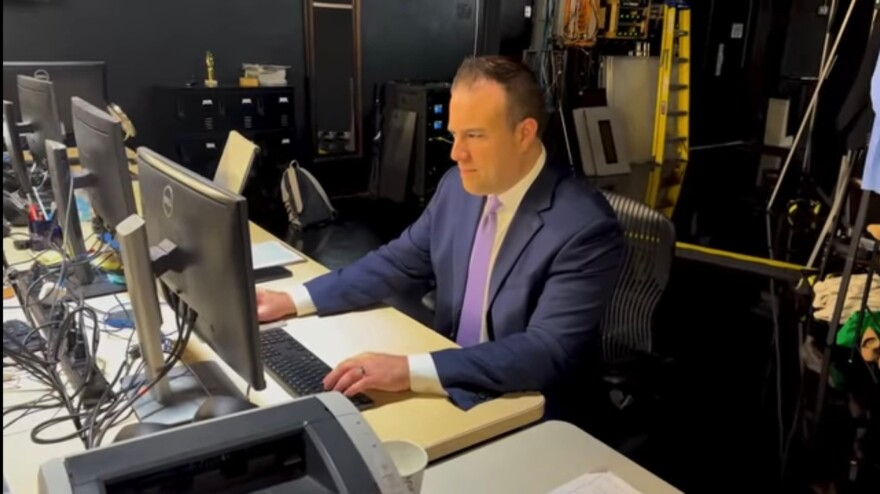
The company also alleges a pattern of attendance-related issues, including late arrivals, early departures, and extended breaks beyond permitted limits. These claims are presented as part of a broader pattern of behavior that management considered problematic. Additionally, the lawsuit references an email exchange between Matt Devitt and a station leader, which the company characterizes as unprofessional.
More controversially, the filing includes allegations related to gambling, suggesting that Matt Devitt engaged in such activities at the station and may have had a gambling problem. While these claims add another layer to the dispute, they are likely to be closely scrutinized in court, as they could influence both the legal outcome and public perception.
The contrast between Matt Devitt’s public statements and the company’s internal records underscores the complexity of employment disputes, where differing narratives often emerge. It also highlights the role of documentation and communication in shaping legal arguments, particularly in cases involving termination and alleged misconduct.
Public Reaction and Broader Implications for Media Professionals
The fallout from the dispute has extended beyond the courtroom, with significant public reaction following Devitt’s termination. As a well-known figure in the local community, he had built a strong following through his on-air presence and social media engagement. His sudden departure prompted widespread discussion, with many viewers expressing support and questioning the station’s decision.
Read : Who Is Peter Attia, Celebrity Doctor Who Resigned From CBS News After Epstein Ties Revealed ?
The lawsuit notes that WINK employees have faced considerable backlash, including serious threats. This aspect of the case illustrates the challenges media organizations face in managing public relations during high-profile disputes. When personalities become closely associated with a brand, their departure can trigger strong emotional responses from audiences, sometimes escalating into harmful behavior.
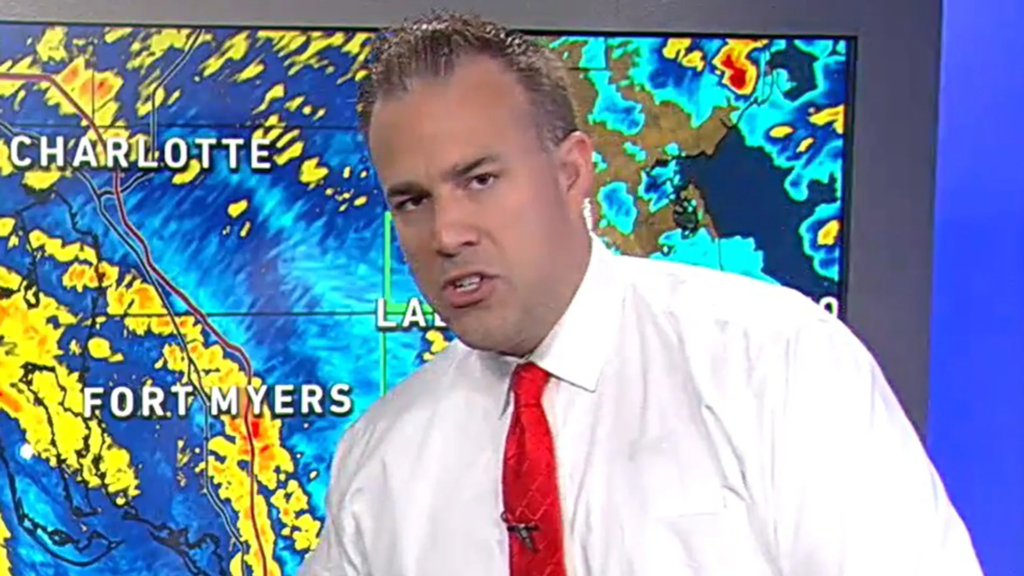
The case also raises broader questions about the evolving nature of careers in broadcasting. In an era where media professionals often cultivate personal brands alongside their roles at traditional outlets, conflicts can arise over ownership, competition, and the boundaries of acceptable outside activity. Social media platforms, in particular, have blurred the lines between personal and professional work, making it more difficult to define what constitutes competition.
For employers, the situation highlights the importance of clear contractual terms and consistent enforcement of policies. Agreements that address outside business activities, use of resources, and non-solicitation are becoming increasingly relevant as employees explore independent ventures. At the same time, organizations must balance these protections with the realities of modern media, where personal branding can enhance rather than detract from a company’s reach.
For employees, the dispute serves as a reminder of the potential risks associated with pursuing side projects while under contract. Even activities that seem separate from primary job responsibilities can lead to legal challenges if they are perceived to compete with an employer or involve shared resources. Transparency, communication, and careful review of contractual obligations are essential to avoid such conflicts.
As the case moves forward, its outcome could have implications beyond the individuals involved. It may influence how media companies structure contracts and how on-air talent navigates opportunities for independent growth. The intersection of traditional broadcasting and digital entrepreneurship is likely to remain a source of tension, particularly as audiences continue to follow personalities across multiple platforms.
The legal proceedings will ultimately determine whether the allegations against Matt Devitt are substantiated and what consequences, if any, he will face. Until then, the dispute stands as a notable example of the challenges that arise when professional obligations, personal ambition, and public visibility intersect in the modern media environment.