
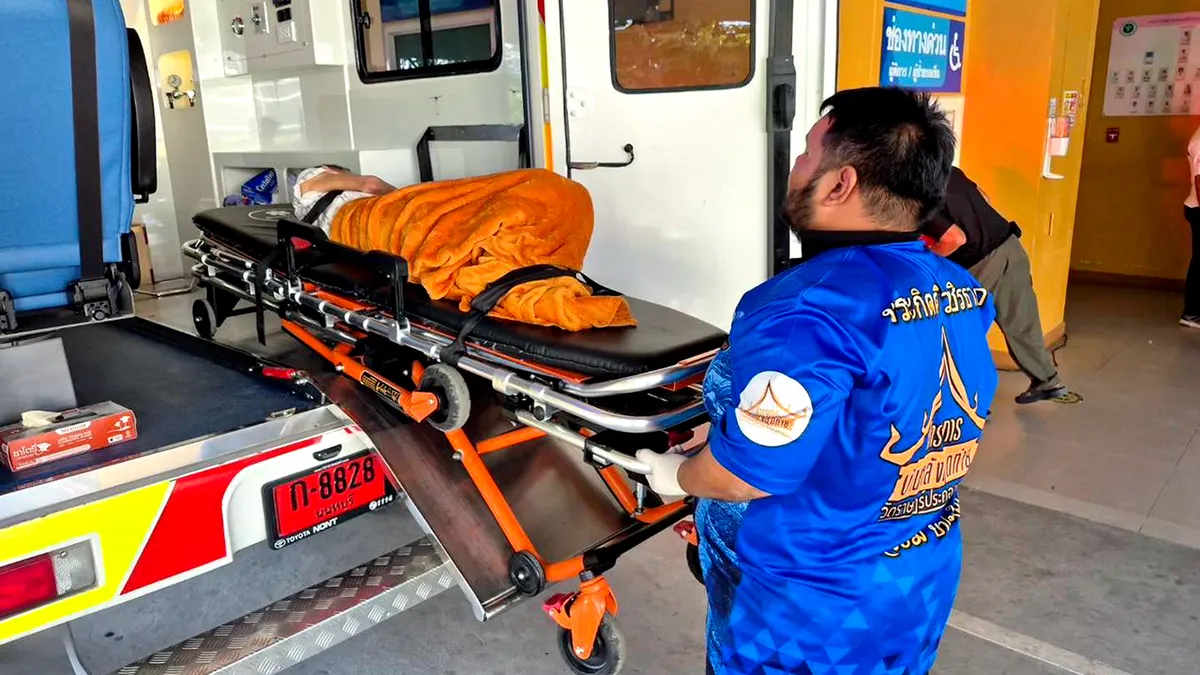
The astonishing discovery of a 65-year-old Thai woman moving inside her coffin moments before a planned cremation has drawn widespread attention, raising questions about the sequence of events leading to the incident and the circumstances that resulted in her being declared dead by her family. The event unfolded at Wat Rat Prakhong Tham, a Buddhist temple in Nonthaburi province on the outskirts of Bangkok, where temple staff were preparing to assist a grieving family before realising that the woman inside the coffin was in fact still alive.
The incident, captured in a video shared on the temple’s social media page, shocked both staff and the public, not only for its dramatic nature but also for the oversight that nearly cost the woman her life. As more details emerged, a clearer picture developed of the family’s intention to honour the woman’s documented wishes and the extraordinary moment that prevented a tragic mistake.
Initial Journey to the Temple
According to temple officials, the woman had been bedridden for nearly two years, with her health declining significantly in the weeks leading up to the incident. Her brother, who acted as her primary caregiver, told temple staff that she became unresponsive and appeared to stop breathing two days before they left for Bangkok.
Believing she had passed away, the brother placed her in a coffin with the intention of transporting her to a hospital in the capital, as she had previously expressed a desire to donate her organs after death. The journey from their home province of Phitsanulok to Bangkok spanned approximately 500 kilometres, during which the brother travelled with the coffin in the back of a pickup truck.
Upon arriving in Bangkok, the hospital declined the brother’s request to accept her organs because he did not have an official death certificate, a legal requirement in Thailand for any formal handling of a corpse. With no certificate and no alternative arrangement in place, the brother sought assistance from Wat Rat Prakhong Tham, a temple known for offering free cremation services to families in need.
'Dead' grandmother wakes up MINUTES before cremation in Thailand
— RT (@RT_com) November 24, 2025
65yo woman came back to life banging on her coffin, SHOCKING relatives
Doctors confirm she never stopped breathing, but her sugar level dropped, which family mistook for death and didn't have proper physical exam pic.twitter.com/oX2wFmoF2B
When he consulted with temple staff on Sunday, he explained the situation and requested their help. However, the absence of a proper death certificate once again halted the process, prompting the temple’s general and financial affairs manager, Pairat Soodthoop, to explain the necessary steps to obtain one.
Discovery of Movement Within the Coffin
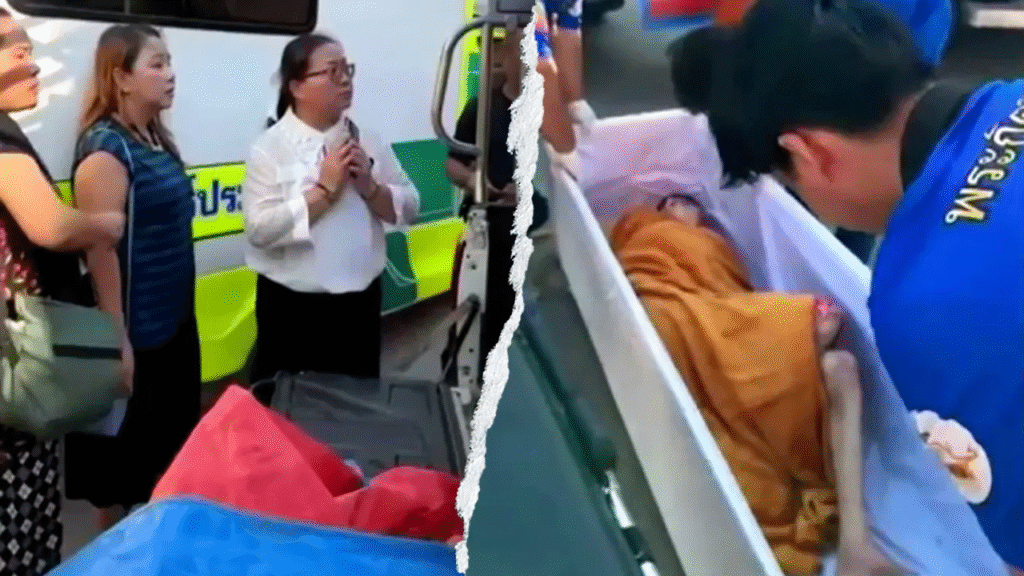
It was during this explanation that one of the most unexpected and life-saving moments occurred. As Pairat recalled, he noticed faint knocking sounds coming from inside the coffin. Initially surprised but unsure of what he had heard, he asked the brother and other staff members to open the coffin lid for verification. What they witnessed immediately confirmed that something was terribly amiss.
The woman, believed to have died days earlier, was not only breathing but also moving slightly—opening her eyes and shifting her arms and head in slow but deliberate motion. Staff described the sight as both startling and deeply unsettling, as they realised she had likely been attempting to signal for help for some time.
Read : Thailand and Cambodia Dispute Ownership of 11th-Century Preah Vihear Shiva Temple
Once the coffin was opened fully, the staff assessed her condition and observed that she was severely debilitated but conscious. Her breathing was shallow and her movements weak, consistent with someone experiencing prolonged immobility and medical distress.
Without delay, the temple coordinated for her to be transported to a nearby hospital to receive urgent medical care. The temple abbot later announced that the temple would cover the woman’s medical expenses, citing compassion and gratitude that she had been discovered alive before the cremation could have taken place.
Reactions and Questions Surrounding the Incident
The event prompted immediate reactions from the public and authorities alike. The story, further amplified by the video posted on the temple’s Facebook page, drew significant attention due to its dramatic nature and the broader implications regarding home-based end-of-life care, medical verification procedures, and cultural practices surrounding death.
Read : Terrifying! Tiger Mauls Tourist Trying to Take Photo at Animal Park in Thailand
For many observers, the incident raised questions about how the woman came to be mistakenly believed dead by her family. In Thailand, as in many countries, individuals who pass away outside of medical facilities must often be examined by healthcare professionals or local authorities to certify death officially. A lack of access to such services, especially in rural areas or in families facing economic difficulties, can sometimes lead to premature assumptions of death when a person is unresponsive. In this case, the brother’s longstanding responsibility as caregiver, combined with the woman’s deteriorating health, may have contributed to the misunderstanding.
Medical professionals who reviewed the details noted that certain conditions—such as severe dehydration, metabolic comas, or hypothermic states—can lead to very weak or undetectable breathing, potentially causing untrained observers to believe that a person has died. The fact that the woman remained alive after two days in a coffin, and after a lengthy road journey, suggested that although her condition was critical, her vital signs had never fully ceased.
Temple staff expressed both shock and relief at the discovery. Pairat described the moment as deeply unexpected, noting that despite working closely with grieving families for many years, he had never encountered a case where a person believed to be dead exhibited clear signs of life shortly before cremation. He reiterated that the temple’s procedures require a proper death certificate before cremation can proceed, a policy that ultimately saved the woman’s life in this case.
The abbot’s decision to assume financial responsibility for her treatment also drew positive public attention, with many expressing appreciation for the temple’s role in preventing a tragedy. Supporters and commenters online commended the attentiveness of staff and praised the temple for its compassionate handling of the situation.
In the following days, authorities began reviewing the circumstances to determine whether any legal obligations had been overlooked, though no immediate wrongdoing was suggested. The brother, who had reportedly been distraught and confused during the ordeal, cooperated with both temple staff and medical personnel throughout the incident.
As the woman continues to receive medical care, her case serves as a stark reminder of the importance of proper medical assessment in determining death, especially in settings where individuals may be cared for outside of hospitals. The extraordinary moment at Wat Rat Prakhong Tham not only prevented a devastating mistake but also brought renewed attention to protocols meant to ensure dignity and safety during end-of-life procedures.