

A rare and striking incident in San Francisco has drawn renewed attention to the rapid evolution of autonomous mobility and the unpredictable human moments that unfold within it. On Monday night, a woman traveling alone in a driverless Waymo robotaxi went into active labor while heading to the University of California, San Francisco Medical Center. Her contractions intensified during the journey, and she delivered her baby in the back seat before the vehicle even reached the hospital.
The autonomous car continued its route without interruption, arriving at UCSF ahead of emergency services that had been alerted mid-trip. Waymo later confirmed that both mother and newborn were safely taken into the hospital upon arrival. This extraordinary moment, occurring inside a vehicle with no human driver present, has been described by the company as a highly unusual yet successfully managed event, highlighting the extent to which autonomous services have woven themselves into the fabric of daily life in several American cities.
Woman Gives Birth in Driverless Waymo Robotaxi
According to The San Francisco Standard, the woman had hailed the Waymo robotaxi to transport her to UCSF after she began experiencing labor pains. While in transit, her condition progressed faster than expected, leaving her with no option but to deliver the baby inside the autonomous vehicle. Sensors and in-car systems detected what Waymo described as “unusual activity,” prompting the company’s remote rider support team to initiate a phone call to check on her wellbeing. Once they realized she was in active labor, they immediately contacted emergency services to meet the vehicle at the hospital.
Despite the urgency of the situation—and the absence of a human driver or attendant—the ride proceeded smoothly through San Francisco streets until reaching the medical center. By that time, the baby had already been born. Hospital staff received both mother and child as soon as the vehicle arrived. Waymo later reported that the robotaxi was promptly removed from service for cleaning and safety inspections, following standard protocols for biological incidents inside vehicles.
Read : 21 Fascinating Facts About the Golden Gate Bridge
Waymo also acknowledged that although extremely uncommon, this was not the first time a birth occurred in one of its autonomous cars. The company revealed that a similar event had previously taken place in Phoenix, one of its other major operating cities. Such incidents remain exceedingly rare given the scale of the service, but the company’s response emphasized its readiness to support riders during unexpected emergencies even without a human operator.
The Expanding Landscape of Driverless Taxis in the United States
The woman’s unexpected childbirth underscores how deeply autonomous vehicles have integrated themselves into everyday transportation across parts of the United States. Waymo, a subsidiary of Alphabet, has been rapidly expanding its robotaxi operations in San Francisco, Silicon Valley, Los Angeles, and Phoenix. Its fleet of sensor-equipped, fully driverless cars has logged millions of miles across these regions, making it one of the most visible and widely used autonomous mobility providers in the country.
As more riders adopt driverless transportation—often out of curiosity or convenience—robotaxis have become a familiar feature on urban streets. Passengers routinely use them for work commutes, airport trips, errands, and increasingly, high-stakes situations such as urgent medical travel. The widespread availability of these services has allowed autonomous vehicles to serve individuals across a broad spectrum of needs, from routine daily use to highly unusual circumstances like childbirth.
Despite their rising popularity, these vehicles have not been free from scrutiny or controversy. The operational quirks of driverless technology, though steadily improving, still attract attention when unusual or malfunctioning behavior occurs. One widely discussed case involved a Waymo car making an illegal U-turn in a restricted area, an incident that raised questions about enforcement gaps. Under California law, police officers cannot issue traffic citations directly to autonomous vehicles, prompting debates about how accountability should be handled when a car drives itself.
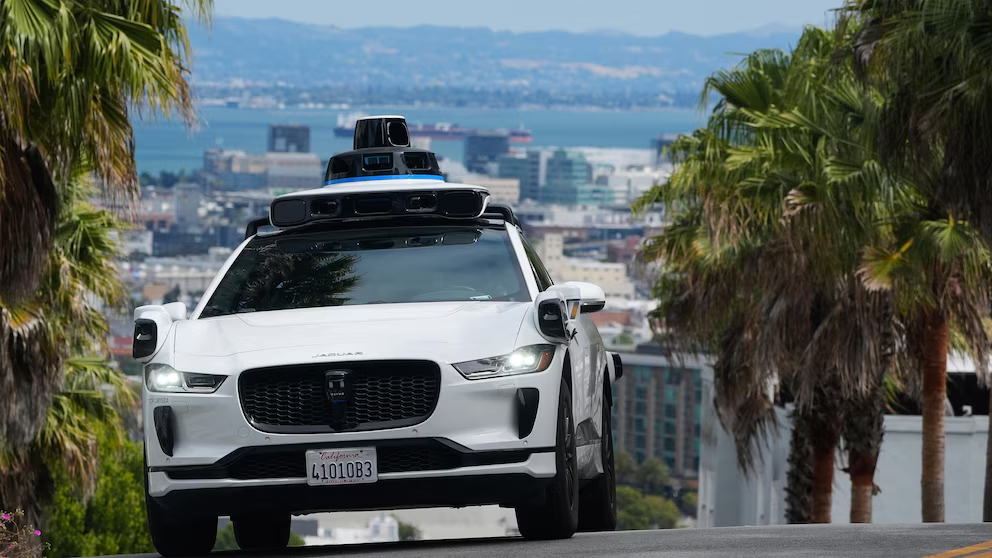
Public concerns were amplified when a Mission District neighborhood cat named Kit Kat was fatally struck by an autonomous vehicle. Although Waymo apologized and began reviewing internal protocols, the event reignited discussions about how autonomous systems detect small animals and how such technology should continue evolving to prevent similar incidents.
Another passenger experienced a disorienting ride in Scottsdale, Arizona, where his Waymo car began repeatedly circling instead of properly navigating toward the airport. The rider captured video of the malfunction, provoking broader discussion about reliability and the need for human override options in unpredictable situations.
Even with these incidents, the overall adoption of driverless taxis continues to rise. Riders cite factors such as consistent route handling, predictable speeds, reduced wait times during peak hours, and an interest in AI-driven mobility as reasons for preferring autonomous travel. For many users, the benefits outweigh the occasional mishap, especially as companies like Waymo continue refining their systems with vast amounts of real-world driving data.
Safety, Emergency Response, and the Future of Autonomous Mobility
The childbirth incident offers a unique lens through which to view the future capabilities and limitations of autonomous transport. While no technology can replace human medical assistance in critical moments, the robotaxi’s continued operation and the remote support provided by Waymo’s staff demonstrated that autonomous vehicles can play a supportive role in emergency scenarios. The company’s rider support team, trained to handle unusual or emergency signals from within the car, acted quickly by contacting first responders and maintaining communication with the passenger.
Read : ZzzTrack! N Judah Operator Dozes Off Mid-Ride Causing Panic on Crowded San Francisco Train
This setup—combining advanced sensors, automated detection, and centralized human oversight—allowed the vehicle to serve as a reliable link to safety. The broader implications extend beyond this single event. As autonomous fleets scale, companies must increasingly account for unpredictable human situations ranging from medical crises to behavioral emergencies.
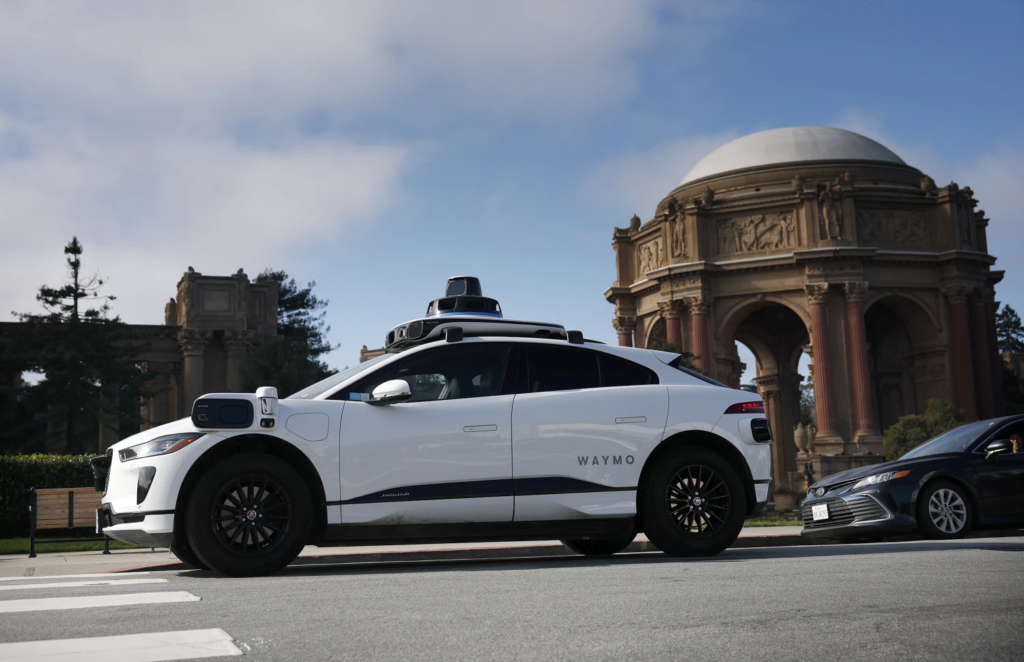
Protocols for remote intervention, vehicle rerouting, emergency communication, and accurate detection of distress will remain essential features of the technology’s evolution. The childbirth also raises questions about how autonomous vehicles should respond dynamically to real-time medical needs, such as whether future systems might allow remote operators to divert a vehicle directly to a hospital rather than following a preset route.
In the regulatory landscape, such incidents contribute to ongoing debates about oversight and responsibility. While Waymo has emphasized the robustness of its safety protocols, policymakers continue to evaluate how autonomous vehicles should be monitored, what standards they must meet, and how accountability should be enforced in the absence of a human driver. The complexity of managing rare but high-impact situations—like a birth occurring in a moving autonomous car—adds new dimensions to these discussions.
Nevertheless, the situation also highlights one of the core promises of autonomous mobility: consistent and uninterrupted operation. In this rare case, the driverless system delivered its passenger safely and directly, even under unexpected and rapidly changing circumstances. The robotaxi’s sensors and navigation algorithms continued operating as designed, and the absence of a human driver did not impede the woman’s ability to reach the hospital as quickly as possible.
As autonomous technology continues advancing, such extraordinary moments serve as reminders that these vehicles are increasingly intertwined with everyday human life. Though born from a complex network of sensors, algorithms, and remote support systems, the robotaxi ultimately played an uncomplicated role during a profound life event: transporting a mother and her newborn safely to care.
Been playing on 7gamesbet1 for a bit now. Payouts are relatively quick and the customer support is responsive. Not bad at all! Give ’em a try! 7gamesbet1