
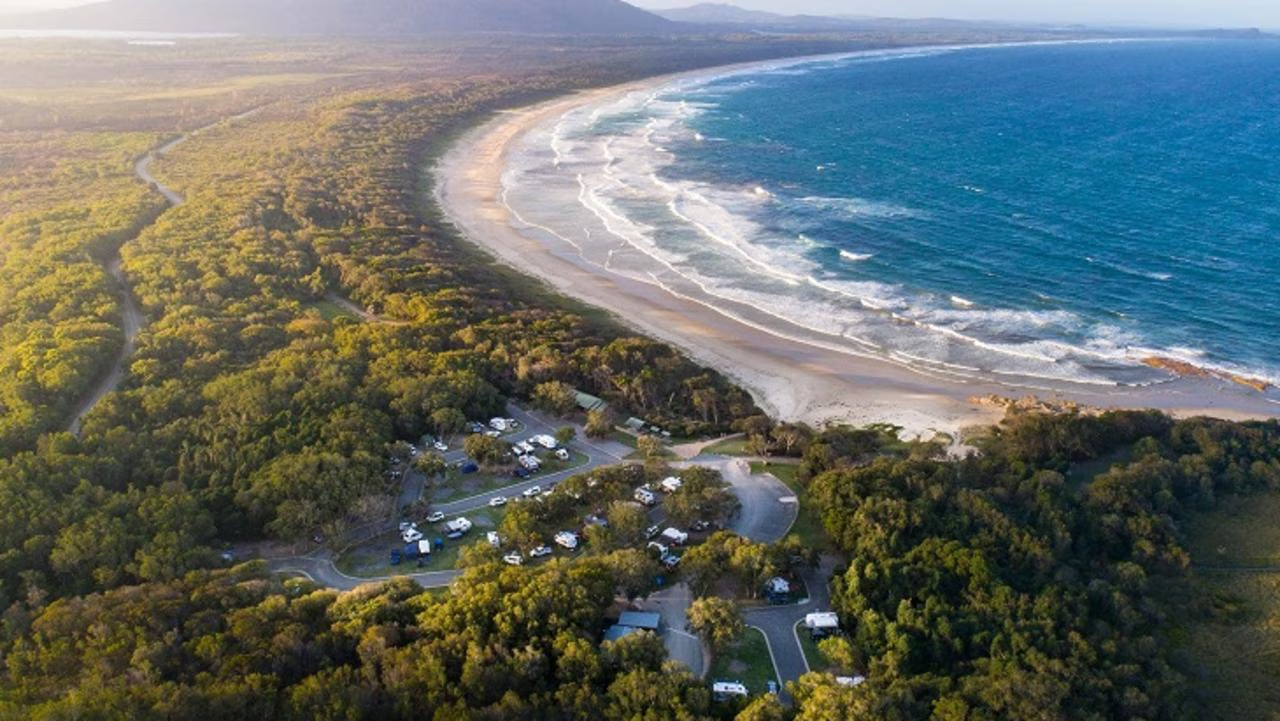
The fatal shark attack at Kylies Beach in New South Wales has drawn national attention, marking the fifth deadly incident of its kind in Australia this year. The tragedy unfolded early Thursday morning at a remote stretch of coastline within Crowdy Bay National Park, about 300km north of Sydney. A woman in her 20s died at the scene, while a man, also in his 20s, was airlifted to Newcastle in critical condition after suffering severe leg injuries.
Authorities, marine experts and emergency responders have since described the event as a rare yet deeply distressing occurrence, emphasizing both the inherent unpredictability of marine wildlife and the heroic actions of bystanders who intervened in the critical moments that followed. The incident has prompted immediate safety measures, including beach closures and deployment of shark-monitoring equipment, as the community absorbs the impact of another life lost in Australian waters.
Emergency Response and Bystander Intervention
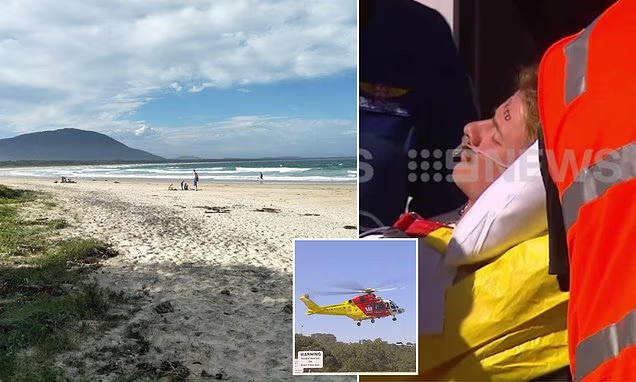
When paramedics were dispatched to Kylies Beach early Thursday morning, they arrived to find a chaotic and urgent scene. Both swimmers had been attacked in what authorities believe was a single encounter with a large bull shark, a species known for its adaptability to both salt and fresh water and its reputation as one of the most potentially dangerous sharks to humans. While the woman could not be revived, emergency services highlighted the remarkable bravery of a bystander who acted swiftly to assist the injured man.
NSW Ambulance Superintendent Josh Smyth commended the individual who created a makeshift tourniquet to slow the victim’s extensive bleeding before medical personnel arrived. According to Smyth, the intervention “potentially saved his life” by stabilizing him long enough for paramedics to provide advanced care and for the rescue helicopter to transport him to John Hunter Hospital in Newcastle.
Such decisive action can be critical in cases of traumatic limb injuries, particularly those involving major blood vessels, where minutes can determine survival. First responders described the scene as emotionally challenging but noted that coordinated efforts between bystanders, lifeguards, paramedics and helicopter crews exemplified the best possible response to an extreme and unexpected emergency.
A woman has died and a man critically injured during a shark attack at Kylies Beach in the Crowdy Bay National Park, east of Taree on the NSW mid-north coast. #shark #sharkattack #kyliesbeach #midnorthcoast #nsw pic.twitter.com/CnPzOnFIGy
— 7NEWS Sydney (@7NewsSydney) November 27, 2025
Despite these efforts, the woman’s injuries were too severe for resuscitation, and she was pronounced dead at the beach. Her death adds to the growing number of fatal shark incidents in Australia this year, underscoring ongoing concerns around marine safety in remote coastal regions.
Shark Behavior and Identification of the Species
The New South Wales Department of Primary Industries (DPI) reported that the attack was likely carried out by a large bull shark, an assessment supported by the nature of the injuries and the species’ known presence in the area. Bull sharks are an especially distinctive species due to their ability to migrate between fresh and salt water, with juveniles often observed in estuaries and adults found in open coastal waters.
Their known aggression, territorial tendencies and proximity to river mouths and shorelines have contributed to their classification as one of the three deadliest shark species, according to the International Shark Attack File. Marine scientists emphasize, however, that shark attacks remain statistically rare, and fatal encounters are even more infrequent.
Read : 27-Year-Old Claudia Ruffin Loses Tip of Thumb After Routine Manicure Leads to Sepsis
Most interactions occur in regions where sharks and humans share the same feeding or migratory zones. Seasonal factors, water temperature and availability of prey can influence shark movement and behavior, though experts caution that exact triggers for attacks are difficult to pinpoint. While bull sharks can be involved in unprovoked bites, they do not typically seek out humans as prey.
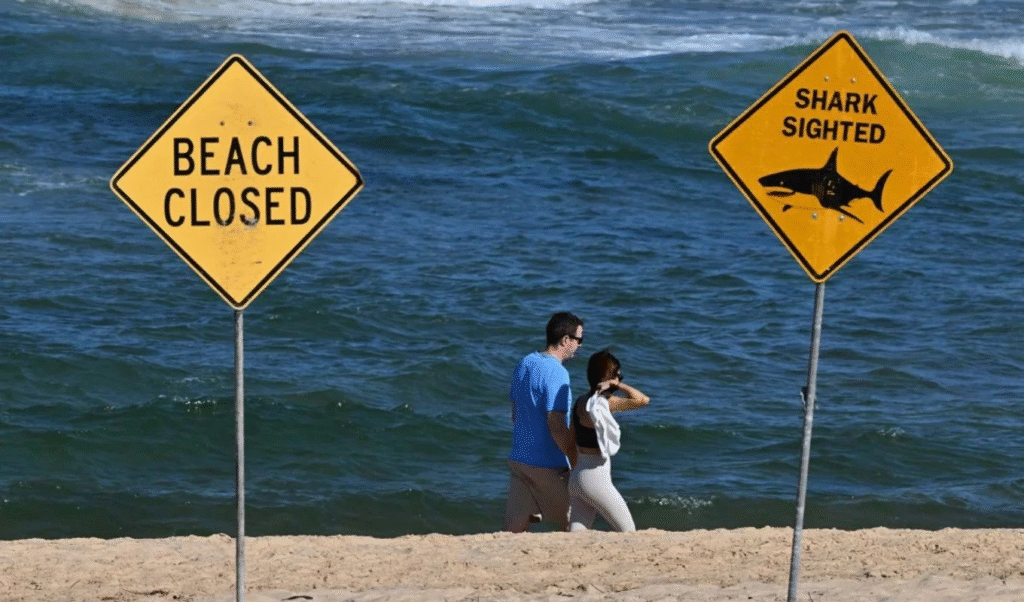
Following the incident, authorities deployed “smart” drumlines at Kylies Beach, an updated version of traditional shark-control equipment designed to reduce harm to marine life. These devices use baited hooks to attract sharks, allowing researchers to tag, track and release them further offshore instead of killing them. The system aims to improve both public safety and ecological understanding, offering data that can help predict movement patterns and reduce future interactions.
Drones, operated by Surf Life Saving NSW, are also being used to survey nearby beaches for signs of shark activity. Drone monitoring has become an increasingly important element of coastal safety in recent years, providing real-time visual data and early warnings for lifeguards and beachgoers. The surrounding beaches will remain closed for at least 24 hours as authorities complete aerial sweeps and assess ongoing risks.
Community Impact and Expanded Safety Measures
The attack has left the surrounding community shaken, with many expressing grief and shock at the loss of a young woman’s life. The area around Crowdy Bay National Park is known for its scenic and relatively secluded beaches, attracting swimmers, surfers and campers throughout the year. The remoteness of the location, while part of its appeal, can also pose challenges when emergency services are required, particularly during early morning hours or outside peak patrol periods.
In a statement, Surf Life Saving NSW chief executive Steve Pearce offered condolences to the families of both victims and urged residents and visitors to remain out of the water until authorities complete their assessments. He emphasized that beach closures are an essential precaution after a major incident and encouraged the public to follow lifeguard instructions at all times. The organization has reiterated the importance of staying within patrolled areas, avoiding swimming at dawn or dusk, and paying attention to posted warnings about marine wildlife activity.
Australia has already experienced five fatal shark attacks this year, a number that has intensified national discussion around shark mitigation strategies. While some members of the public advocate for more aggressive intervention, such as culling or expanded netting, marine conservationists warn that such measures can harm ecosystems and other wildlife without guaranteeing human safety. The use of smart drumlines, drones and shark tagging programs reflects a shift toward more targeted and less invasive monitoring tools that prioritize both protection and preservation.
Local authorities are expected to conduct a detailed review of the incident, including environmental conditions, shark activity reports and any additional data collected from the deployed drumlines. These findings may contribute to wider state-level discussions regarding safety measures along remote beaches and national parks. While shark attacks cannot be fully prevented, coordinated monitoring, rapid communication and public awareness remain central to minimizing risks.
As the investigation continues, the community of Crowdy Bay National Park faces a period of mourning for the woman whose life was cut short, while the critically injured man remains under specialist care. The tragedy serves as a sobering reminder of the unpredictable nature of the ocean and the need for careful vigilance in coastal environments, particularly where lifeguard presence is limited. Authorities will continue to update residents and visitors as more information becomes available and as beaches gradually reopen once risks are reassessed.
Lobbo888, that’s a fun name! Does it mean I’ll win triple the amount? Hope they have some cool promos. Trying my luck today! Find it here: lobbo888
This really answered my problem, thank you!
Somebody essentially help to make seriously articles I would state. This is the very first time I frequented your web page and thus far? I amazed with the research you made to create this particular publish amazing. Great job!