
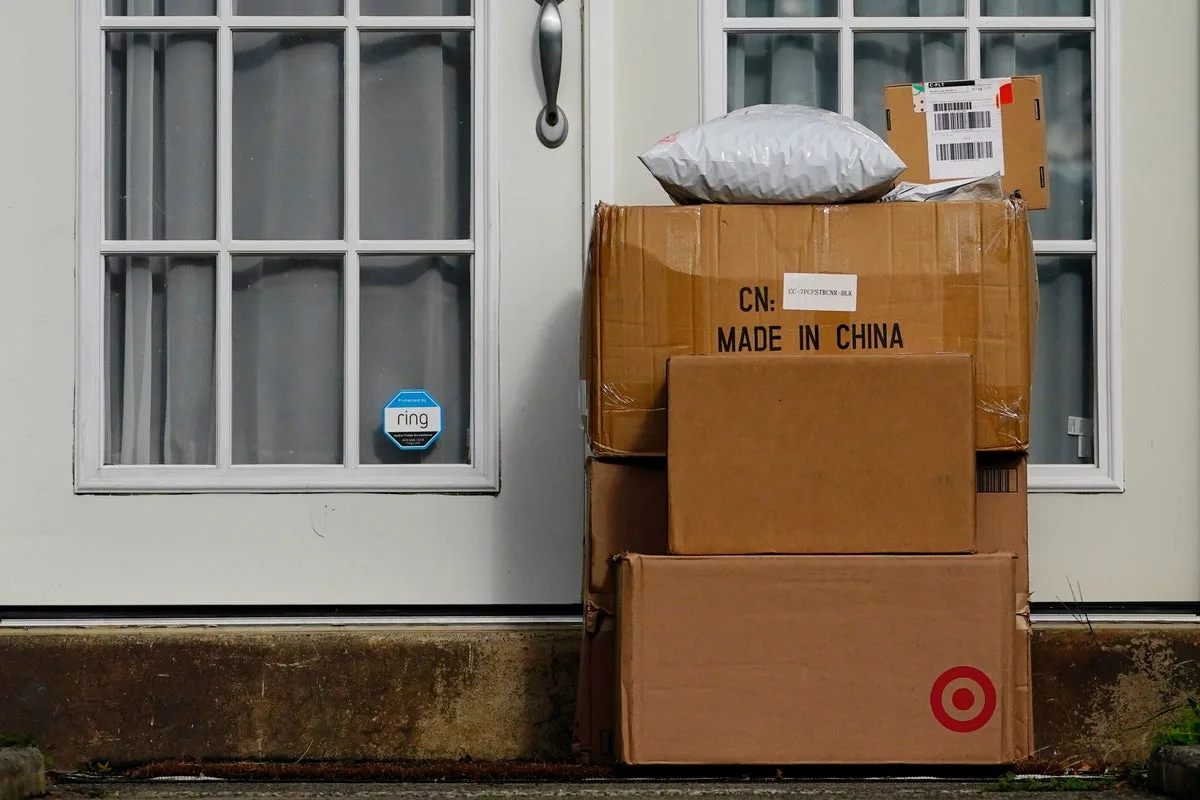
In an extraordinary and deeply unsettling turn of events, a woman in Hopkinsville, Kentucky, opened a package she believed contained her long-awaited medical supplies, only to discover human body parts inside. The bizarre mix-up, which unfolded just after Halloween, left local residents stunned and raised questions about shipping protocols for biological specimens. Authorities later confirmed that the box of human arms and fingers had been intended for a medical facility conducting surgical training but was mistakenly delivered to the woman’s doorstep.
The incident, which gained national attention, has been described by officials as both a logistical blunder and a moment of grim irony given its timing so close to the holiday known for spooky surprises. But behind the eerie coincidence lies a serious lapse in shipment control—one that could have caused immense distress to the unsuspecting recipient and raised wider concerns about how human remains used in medical education are handled and transported.
Woman Receives Human Arms and Fingers
The incident occurred in the small city of Hopkinsville, located about 75 miles northwest of Nashville, Tennessee. The woman, who has not been publicly identified for privacy reasons, was expecting to receive a box containing her prescribed medications and other medical supplies. When the delivery arrived, nothing seemed out of the ordinary until she opened the package to find human limbs neatly packed inside.
According to Christian County Coroner Scott Daniel, who responded to the call, the woman immediately reported the shocking contents to authorities. “Yes, true story,” Daniel said in a statement shared with NBC News. “She was expecting medical supplies and found arms and fingers in the box.”
The coroner’s office swiftly arrived at the scene to verify the contents and ensure they were handled appropriately. What they found, Daniel said, were human remains clearly prepared for scientific use. “The box was intended to be delivered for surgical training but was somehow delivered to her front porch,” he explained.
Such shipments, typically used by hospitals, universities, and surgical training centers, are usually transported under strict chain-of-custody regulations to ensure they reach only authorized recipients. Each package must be clearly labeled and tracked, given the sensitivity of its contents. In this case, however, something went seriously wrong during the delivery process.
Read : University of Kentucky Student Laken Snelling Arrested in Connection with Death of Her Infant
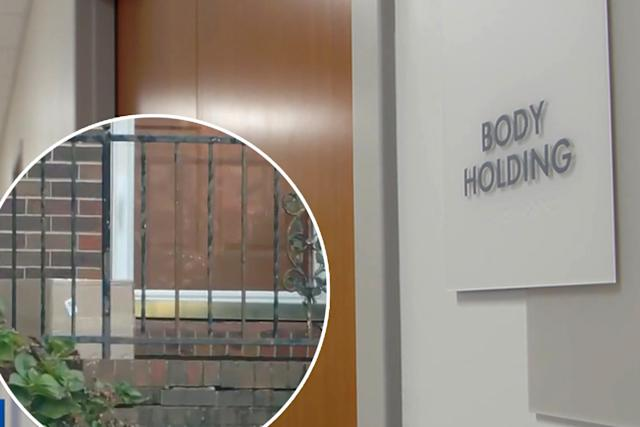
Upon confirmation that the package contained human remains, the coroner took custody of the materials and stored them temporarily at the Christian County morgue until they could be collected by the appropriate party. “I left the scene with the box and stored it in our morgue until [the courier] arrived,” Daniel said. “We were able to reach the courier, who retrieved the package the following morning.”
Read : Man Orders McDonald’s Burger With “Everything Removed,” Gets Empty Box With $19.81 Bill
By the next day, the woman’s own package—with her actual medications and supplies—was successfully delivered to her home, bringing the strange ordeal to a close.
Courier Error and the Complexities of Medical Shipments
While the incident was resolved without harm, it has drawn attention to the logistical vulnerabilities in the handling of medical and biological shipments. Packages containing human remains—whether for transplantation, study, or surgical practice—must adhere to a range of federal and state regulations governing biohazard transport. These include specific labeling requirements, recipient verification protocols, and often, hand-to-hand delivery to authorized personnel.
In this case, the package appeared to have been mishandled by the courier service responsible for the delivery. Officials have not disclosed which company was involved, nor the precise sequence of events that led to the misdelivery. However, experts in the field of medical logistics say that such an error could have stemmed from a combination of data-entry mistakes, mislabeling, or automated routing system failures.
Medical shipments, especially those involving human tissue or cadaveric specimens, are typically sent through specialized logistics providers or medical courier services trained to handle biohazard materials. These couriers are required to follow federal guidelines set by agencies such as the U.S. Department of Transportation (DOT) and the Centers for Disease Control and Prevention (CDC). Packages must carry appropriate warnings, including the “Biological Substance, Category B” label when applicable, and are often tracked separately from ordinary mail or parcel deliveries.
If the Hopkinsville shipment was mistakenly routed through a general delivery channel, the chance of confusion with regular parcels—such as a customer’s medicine—would have increased dramatically. “This type of mix-up is rare but not impossible,” said one logistics expert familiar with medical transport protocols. “When human remains are shipped for educational purposes, they often pass through multiple checkpoints. If a single tracking number or label is entered incorrectly, the entire system can misroute the package.”
The coroner’s office in Christian County has not indicated whether a formal investigation will be launched into the courier’s role in the incident. However, local authorities have confirmed that the remains were legitimate and were not involved in any criminal activity. The matter, they said, was simply “an unfortunate delivery mistake.”
Public Reaction and Broader Implications for Oversight
News of the mishandled delivery spread quickly through Hopkinsville and beyond, with many residents expressing disbelief over the mix-up. The timing—just days after Halloween—added an almost surreal element to the story, leading some to think at first that it was a prank or a rumor. Yet, officials confirmed every detail, emphasizing that the event was genuine.
While some social media users responded with dark humor, others voiced concern about the emotional toll such a discovery could take on an unsuspecting person. For the woman involved, the experience likely began as a routine moment—simply collecting mail—but turned into a disturbing ordeal. Local reports indicated she remained calm and cooperative throughout the process, ensuring authorities could handle the situation appropriately.
Beyond the immediate shock, the episode underscores the need for tighter oversight in the handling of human biological materials. The use of donated human remains plays a critical role in advancing surgical training, anatomical education, and medical research. Donated tissues help train new surgeons and provide realistic practice for complex procedures. Yet, the transport of such materials demands a level of precision and accountability that leaves no room for error.
Experts argue that while most medical transport companies comply with regulations, occasional lapses in tracking and human oversight can result in rare but deeply consequential mistakes. “It’s important to remember that every specimen, every shipment, represents a person’s final gift to science,” said a spokesperson for a national anatomical donation program. “Any misstep in handling or delivery not only violates regulations but also disrespects the dignity of the donors and their families.”
Read : Ex-NFL Star Adam Jones Arrested in Kentucky on Multiple Charges
The Hopkinsville mix-up could prompt local or federal reviews into how such packages are documented and routed, particularly when couriers subcontract deliveries to regional carriers. Enhanced cross-verification systems, improved barcode scanning technology, and automated address confirmation could reduce the risk of similar incidents in the future.

For now, local officials have closed the matter after confirming the remains were safely returned to their intended recipient and that no foul play was involved. But the surreal episode will likely linger in local memory—not only for its eerie timing but also as a cautionary tale about the unseen complexities of modern logistics.
In a town of fewer than 30,000 residents, where daily life is far removed from the high-stakes world of surgical research, the image of a box of human limbs appearing on a front porch has understandably left a lasting impression. While no one was harmed, the story serves as a reminder that even in an age of advanced tracking and automation, human error remains an unpredictable factor.
The Hopkinsville case also highlights the importance of transparency between courier services and their clients when handling sensitive materials. Open communication, routine verification calls before delivery, and restricted drop-off permissions could prevent similar incidents. In situations where shipments involve human remains or hazardous substances, most carriers require a signature from an authorized recipient—yet even such safeguards can fail when miscommunication or data errors intervene.
In the end, the Kentucky woman received her intended package—a box of medicine and supplies—just one day after the coroner’s office intervened. What began as a moment of confusion and horror ended with a logistical correction, albeit one that few will soon forget. The coroner’s professionalism, coupled with swift coordination among local authorities and the courier service, helped prevent a potentially larger problem.
Still, the strange case remains a testament to how even the most routine aspects of modern life—receiving a package in the mail—can yield astonishing surprises. What should have been an ordinary day in Hopkinsville instead became a headline-grabbing event that blurred the line between medical mishap and Halloween nightmare. And while it ended without harm or scandal, it left an indelible mark on both local residents and the systems responsible for safeguarding the integrity of medical transport.