
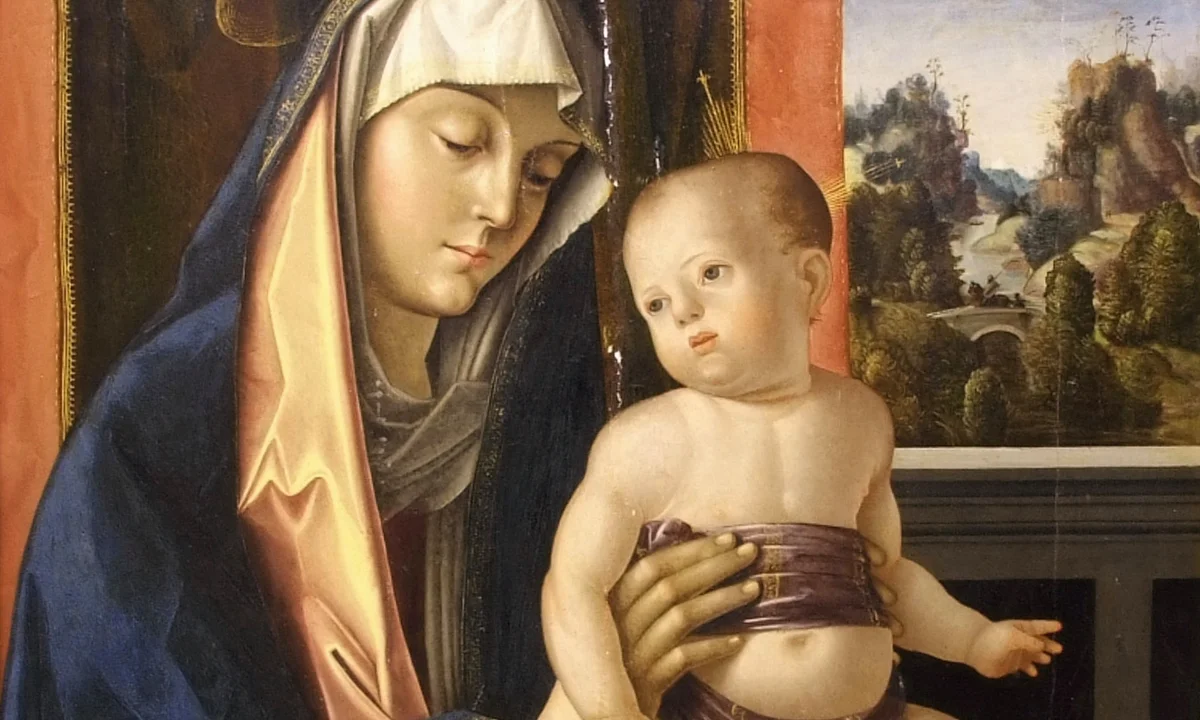
The controversy surrounding the 16th-century painting Madonna and Child, created by Italian artist Antonio Solario, has ignited a legal and ethical debate in the art world.
The artwork, stolen in 1973 from the Civic Museum of Belluno in northern Italy, surfaced in Britain decades later, only to be caught in a legal limbo as its current possessor, Barbara de Dozsa, refuses to return it to Italy.
Despite being listed on international stolen art databases, including those of Interpol and the Italian Carabinieri, legal loopholes in British law have allowed the painting to remain in De Dozsa’s hands, raising significant questions about art restitution and the responsibility of institutions to reclaim stolen cultural artifacts.
The Disappearance and Rediscovery of a Masterpiece
The Madonna and Child painting by Antonio Solario, whose works are displayed in prestigious institutions like the National Gallery in London, was originally acquired by the Civic Museum of Belluno in 1872.
It remained in the museum’s collection until 1973 when thieves targeted several artworks in a heist. While some of the stolen pieces were recovered in Austria soon after the theft, Madonna and Child remained missing for decades, its whereabouts unknown.
The mystery surrounding the painting came to an end in 2017 when De Dozsa attempted to auction it off through a regional auction house in Britain.
Read : YMCA Tiger Academy Teacher Geanene White Arrested for Ordering Students to Beat Up Classmate
A representative from the Belluno museum recognized it, leading to the discovery that it had been illegally taken from Italy and listed on multiple stolen art databases.
Read : Art That Breaks Records: The 10 Most Expensive Paintings in the world
De Dozsa, however, claimed rightful ownership of the painting, stating that her late husband, Baron de Dozsa, had acquired it in good faith in 1973. Until their divorce, the couple kept the painting at their Norfolk residence, East Barsham Manor, a historic property once described by Henry VIII as his “small country palace.”
Legal and Ethical Disputes Over Ownership
The return of stolen artwork is a complex process involving international law, jurisdictional differences, and ethical considerations. The British police, upon discovering the painting’s stolen status, initially held the piece but later returned it to De Dozsa due to a lack of timely response from Italian authorities.
The delay, partly caused by the COVID-19 pandemic, meant that Italy was unable to provide the necessary legal documentation within the required timeframe. This failure of law enforcement coordination allowed the painting to remain in the possession of De Dozsa.
De Dozsa has defended her claim to the painting using the UK’s Limitation Act of 1980, which stipulates that someone who purchases stolen goods in good faith may eventually gain legal ownership if six years have passed since the acquisition without any claim being made.
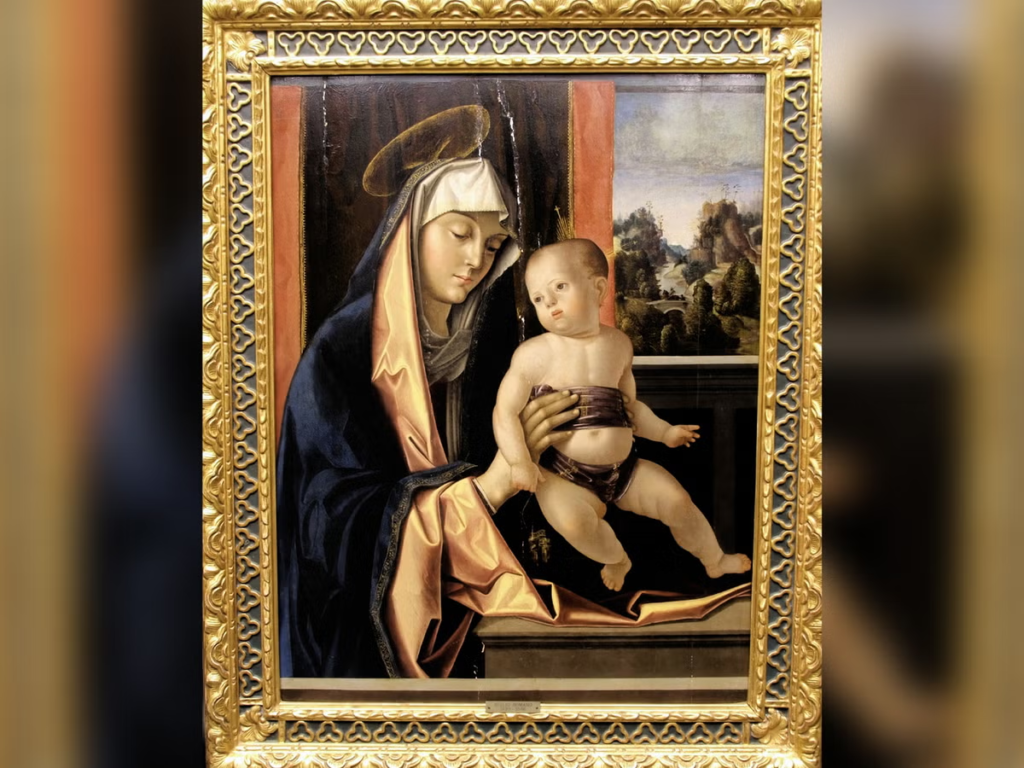
Her argument was initially based on the assertion that when the British police returned the painting to her, it validated her ownership. However, a formal letter from the authorities later clarified that returning the painting did not equate to granting her legal title.
Christopher Marinello, a specialist in art recovery, has been working to persuade De Dozsa to return the painting to Italy. He argues that beyond legal technicalities, there is a moral obligation to restore stolen cultural heritage to its rightful owners.
Marinello, whose previous recoveries include a long-lost Matisse painting stolen from Stockholm’s Museum of Modern Art, insists that Madonna and Child belongs to the people of Belluno. Given his own family’s origins in the region, his efforts are also personally significant.
The Future of Madonna and Child and the Challenges of Art Restitution
The case of Madonna and Child is emblematic of the broader challenges faced by museums and institutions attempting to recover stolen artwork. Even when artworks appear in plain sight, legal loopholes and jurisdictional complexities often hinder their return.
De Dozsa’s refusal to return the painting highlights the limitations of existing legal frameworks in ensuring the restitution of looted cultural artifacts. A particularly frustrating aspect of this case is De Dozsa’s shifting stance. Initially, she expressed willingness to return the painting if her legal costs, amounting to £6,000, were reimbursed.

Marinello, after securing permission from Italian authorities, arranged for an insurance company to cover these expenses. However, De Dozsa later reneged on her promise, demanding the full market value of the painting—estimated at £60,000 to £80,000—despite the fact that she cannot legally sell it through any reputable auction house.
With the Madonna and Child painting remaining in legal limbo, the case has drawn international attention to the inefficiencies in the recovery of stolen art. The failure of law enforcement agencies to act decisively, coupled with loopholes in UK property law, has allowed the painting to remain outside Italy’s reach.
While Marinello and the Belluno museum continue to advocate for its rightful return, De Dozsa remains steadfast in her refusal, citing legal justifications that contrast starkly with ethical considerations.
As the legal battle continues, the case serves as a stark reminder of the difficulties in reclaiming looted cultural treasures. Without stronger international cooperation and legal reforms, similar cases of stolen artwork falling into private hands may continue to persist, depriving rightful owners of their cultural heritage.