
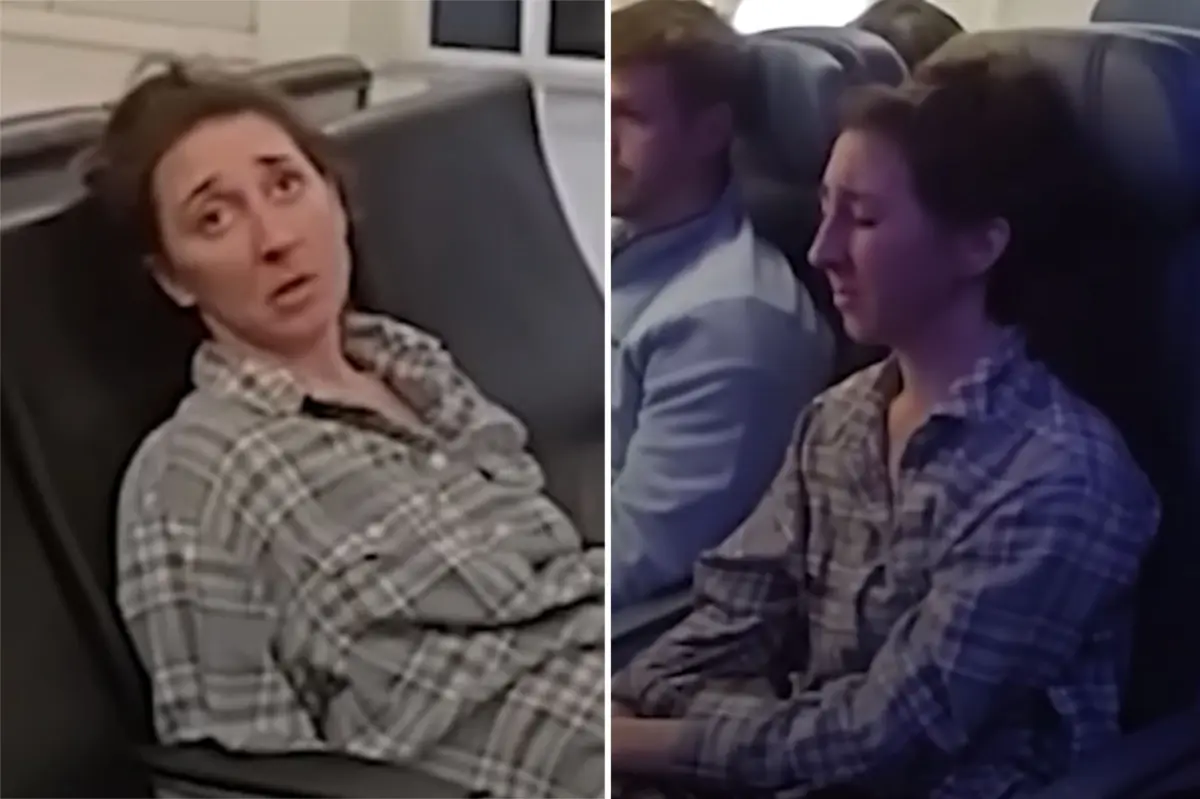
A Delta Airlines flight from Dallas to Boston turned into an unexpected spectacle when an intoxicated passenger caused a massive disruption on board, forcing all passengers to disembark and return to the terminal. The incident, which unfolded on April 14, 2024, has recently come back into the public eye following the release of bodycam footage showing the dramatic sequence of events.
The woman, identified by the Daily Mail as Alicia, was heavily intoxicated, uncooperative with law enforcement, and ultimately arrested for criminal trespassing and public intoxication. The incident not only delayed the flight but also brought into focus the ongoing challenges airlines and airport security face in managing unruly passengers—especially those under the influence of alcohol.
What started as a routine boarding process quickly spiraled into chaos as Alicia’s behavior became increasingly erratic. The newly surfaced video has since gone viral, adding fuel to an already fiery debate over in-flight alcohol consumption and passenger responsibility.
Disruption on Delta Airlines Flight:
The initial moments of tension began when Alicia, who had been drinking heavily before and during the flight, began slurring her speech and became visibly unsteady. According to the police and flight crew, she had consumed at least six glasses of wine while waiting for her delayed flight and had additional alcohol onboard—including a glass of prosecco and two shots of tequila.
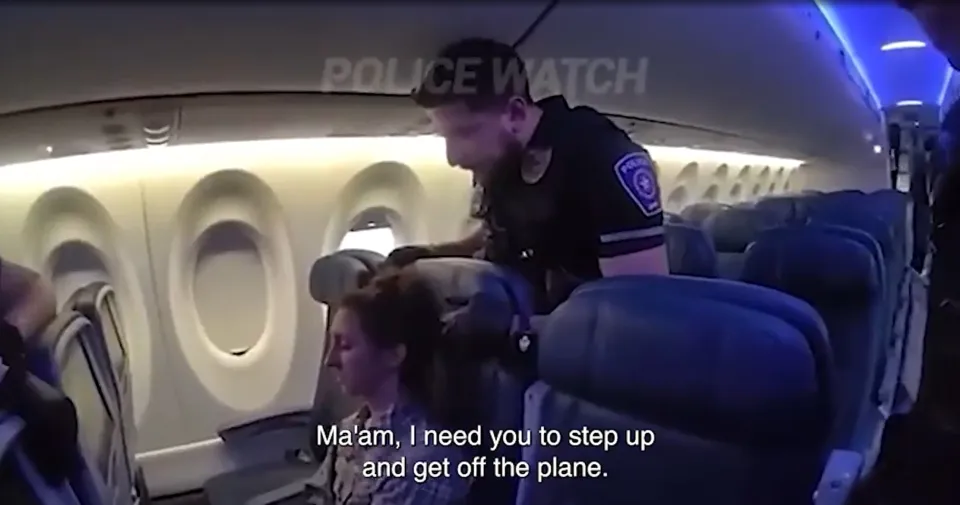
Despite her intoxicated state, she refused to follow instructions from airline staff, sparking a confrontation that would end with her removal from the aircraft. Bodycam footage shows the flight crew calling for assistance as Alicia refused to leave her seat.
Medical personnel initially tried to speak with her in an attempt to de-escalate the situation, but she remained unresponsive, eyes closed, and muttering incoherently. Officers stepped in and repeatedly asked her to exit the aircraft. She defied their orders, stating, “No, I don’t,” when asked to stand up. The tone of the interaction escalated when she continued to refuse cooperation.
“This is your last chance.” Drunk Karen forces entire plane full of passengers to disembark because she wouldn’t comply with police requests to leave. pic.twitter.com/OiKYuorlb9
— Mike Sington (@MikeSington) June 13, 2025
As the situation intensified, law enforcement made the decision to evacuate the rest of the passengers from the plane, allowing officers to physically remove Alicia. This unprecedented step—emptying a full flight due to the actions of one passenger—shows how serious the authorities deemed the situation.
As she was being handcuffed, Alicia shouted, “Give me my one and only warning back. Why would you do that?” She appeared to be confused about the circumstances, repeatedly expressing her desire to simply go home and claiming that she had been trying to fly peacefully.
Resistance, Arrest, and Viral Bodycam Footage
Once removed from the aircraft, Alicia’s erratic behavior continued. Officers placed her in handcuffs and attempted to escort her to a squad car. Video footage shows her resisting arrest—kicking her legs, hyperventilating, and hurling emotional pleas at the officers. “All I did was try and peacefully get out of a f**king plane,” she said in frustration.
The situation became more volatile as Alicia begged officers for cigarettes and a vape, continuing to exhibit signs of severe intoxication and emotional instability. Inside the squad car, Alicia’s behavior remained combative.
Read : 3 Women Removed from Spirit Airlines Flight After Heated Argument with Flight Attendant
“Ma’am, I will prone you out if you don’t stop kicking,” an officer warned, referencing a prone restraint technique typically used to ensure control over noncompliant detainees.
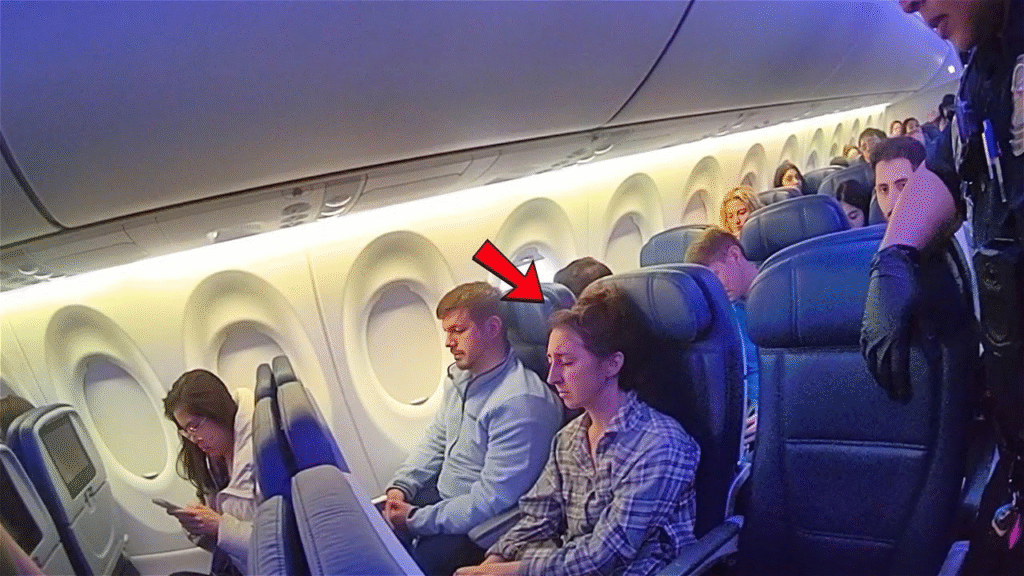
Her pleas continued: “I need a cigarette… Can I please just have one ciggy?” Later she asked, “Can I have my vape?” The officers denied both requests, focusing instead on getting her to the police station safely.
Even after being taken to the station, Alicia did not calm down. Reports say she kept resisting arrest during the booking process, prolonging what had already been a long and disruptive ordeal. Her inability or unwillingness to cooperate even after multiple warnings, and her aggressive behavior during and after arrest, now stand as a prime example of why stricter protocols around in-flight intoxication might be necessary.
Broader Concerns: Alcohol, Air Travel, and Passenger Responsibility
The incident with Alicia raises important concerns about the regulation of alcohol consumption at airports and onboard flights. While airlines have long struggled to balance customer experience with safety, recent cases of intoxicated passengers disrupting flights have intensified the call for tighter restrictions.
Alicia admitted to consuming a significant amount of alcohol—six glasses of wine before boarding and three more drinks in the air. That level of consumption, combined with the altitude-related effects of alcohol, likely contributed to her erratic and dangerous behavior.
Flight attendants and airline crew members are trained to identify signs of intoxication, but the sheer number of passengers and the varying tolerance levels make it a difficult job. While Alicia was eventually identified and restrained, the situation could have escalated further or even endangered others if not addressed in time. The necessity of removing all other passengers just to handle one noncompliant individual is a stark reminder of the operational impact one unruly flyer can have.
Airlines across the globe are now facing increasing pressure to review their policies. Some experts advocate for limiting alcohol sales at airport terminals, introducing breathalyzer tests for visibly impaired passengers, or even establishing a clear threshold beyond which a passenger is automatically denied boarding. These preventive measures could help minimize the risk of mid-air disturbances and ensure a safer environment for everyone on board.
Moreover, there are legal implications for passengers who, like Alicia, defy crew instructions or become violent during flights. Criminal trespassing and public intoxication are serious charges, and airline disruptions can lead to federal offenses depending on the jurisdiction. The viral nature of the video has not only embarrassed the woman involved but has also put a spotlight on a growing problem in commercial aviation.
Though Alicia might have only intended to travel home after a long day, her choices—especially involving alcohol—led to a public arrest, flight delays, and possible long-term legal consequences. This should serve as a cautionary tale for travelers everywhere: airports and planes are not places for reckless behavior. The need to maintain decorum, follow instructions, and respect flight crew and fellow passengers is essential for safe travel.
As the video continues to circulate online, public reactions remain divided. Some viewers express sympathy, citing potential underlying mental health issues, while others are calling for a permanent flight ban and criminal prosecution. In either case, one thing is clear: this incident has left a lasting impression, not only on those directly involved but also on the wider public watching it unfold.
The Delta flight incident involving Alicia is a potent reminder of the fine line between a stressful day and a criminal event. The bodycam footage has immortalized a moment that reflects poorly on passenger behavior and highlights gaps in airline policies around alcohol and in-flight safety. Whether or not Alicia intended to cause harm, the consequences of her choices have made headlines and will likely influence how airlines handle intoxicated passengers moving forward.