
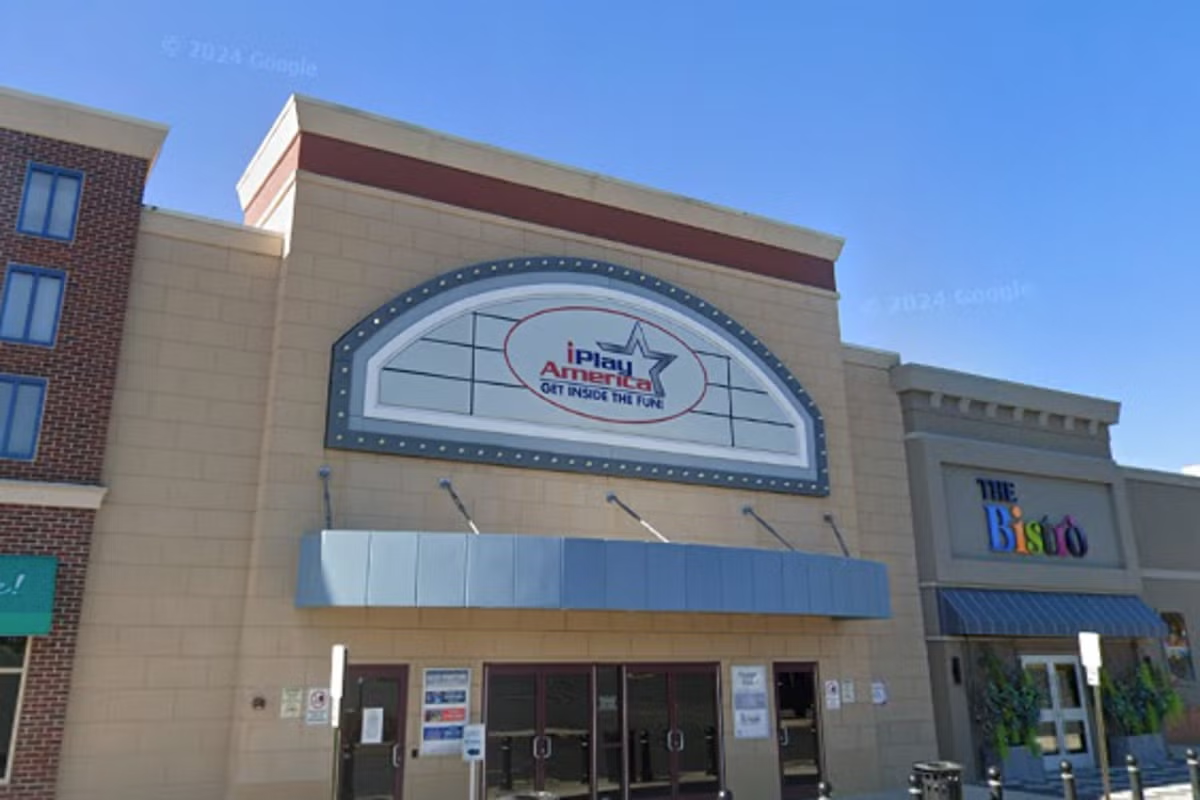
The case surrounding a New Jersey woman who attempted to sue the indoor amusement park iPlay America after she was allegedly mocked and insulted by children while being denied access to a go-kart ride has drawn notable public attention due to the cultural weight of the term “Karen” and the question of whether businesses are responsible for preventing verbal altercations among guests. The incident occurred in October 2022, when the woman, a 55-year-old mother from Edison, attended a birthday party at the Freehold-based theme park with her children.
According to the lawsuit filed in June 2024, the woman was told by an employee that she did not meet the height requirement for the go-kart attraction, despite having reportedly ridden the same attraction previously without issue. As she spoke with a manager, children waiting in line began to complain about the delay and allegedly yelled insults at her, including calling her a “white b—-” and referring to her as a “Karen.” The woman later described feeling humiliated, embarrassed in front of her children, and discriminated against.
Her lawsuit accused iPlay America of negligence, arguing that employees failed to step in and stop the harassment from other patrons and that the park improperly denied her access to the ride. However, a trial court dismissed the lawsuit in October 2024, and a New Jersey appellate court upheld the dismissal soon after. The appeals court acknowledged that the behavior from the children was inappropriate, but concluded that the theme park cannot be reasonably held liable for preventing verbal insults among guests and is not obligated to police all interpersonal interactions.
The court stated that attempting to prevent such exchanges would be impractical and beyond the scope of what a business can be expected to control. This case reflects broader legal and cultural conversations about personal responsibility, social etiquette, public conflict, and the evolving meaning of the term “Karen.” It raises questions about what constitutes actionable harassment, what duty of care businesses owe to customers in environments where social interaction is inevitable, and how viral-driven social labels intersect with everyday disputes.
Allegations of Harassment and Height Dispute
The central events described in the lawsuit began when the woman arrived at the iPlay America Speedway Go-Kart attraction with her children and was informed by an employee that she did not meet the height requirement necessary to operate the go-kart. Height restrictions on such rides are typically based on safety standards, ensuring that riders fit securely into the seat and maintain proper control of the vehicle.
The woman claimed that she had previously ridden the same attraction without being stopped for height, which contributed to her belief that she was being unfairly singled out. During the interaction, she asked to speak with a manager, and while the conversation was taking place, several children who were waiting in line became agitated due to the wait.
Read : Trio Breaks into Playland Amusement Park and Steals 200 Stuffed Animals
According to the lawsuit, these children began shouting at her, using both general insults and the specific term “Karen,” which has developed into a cultural shorthand for a white woman perceived as overly demanding, entitled, or confrontational. The woman alleged that these comments caused her emotional distress, particularly because her children were present and witnessed the interaction. She stated that the humiliation continued as she exited the area and passed by the same group.
Read : People Stuck Upside Down for Half an Hour at Amusement Park in Portland: Scary Video got Viral
The complaint further alleged that employees at iPlay America failed to intervene to stop the name-calling or to separate the parties, leading the woman to argue that the park had breached its duty to provide a safe environment for guests. In addition, she suggested that the denial of access to the go-kart ride itself was improper and contributed to the confrontational situation. Her claims were rooted in negligence law, asserting that the business had both the responsibility and the opportunity to prevent the situation from escalating.
The Court’s Rationale in Dismissing the Lawsuit
The trial court’s dismissal of the case, later upheld by the appellate court, centered on the legal definitions of duty of care and foreseeability. While the court did not dispute that the woman may have experienced embarrassment or verbal harassment, it found that iPlay America cannot be held liable for every interaction that occurs among visitors. The appellate decision stated that while businesses do have a responsibility to maintain a reasonably safe environment for guests, this responsibility does not extend to preventing all forms of verbal insult.
The court emphasized that preventing patrons from directing derogatory or insulting language toward each other is not realistically enforceable in a public, social setting. The decision also addressed the issue of the go-kart height restriction. Requirements such as height minimums are frequently mandated for safety compliance and are non-negotiable. Even if the woman had previously ridden the attraction, employees were within their rights to enforce the rules consistently at the time of the incident.
The court found no evidence that she was denied access due to discrimination or malicious intent. Instead, it determined that the situation represented a combination of normal business procedure and interpersonal conflict between guests. In its ruling, the appellate court wrote that it did not condone the behavior of the children involved and acknowledged that the insults were harmful.
However, it clarified that businesses are not legally obligated to intervene in every instance of verbal conflict, unless such behavior escalates into threats or physical danger. The ruling underscored the practical challenges of policing speech in environments designed for recreation and emphasized that iPlay America’s general responsibility to provide safety does not imply constant control over the remarks of guests.
Public Context and the Cultural Weight of the Word “Karen”
One aspect of the lawsuit that has attracted broader attention is the role of the term “Karen” itself. In recent years, the word has shifted from a basic personal name to a widely used cultural metaphor referencing a particular stereotype. It generally refers to a white woman who acts with a sense of entitlement, particularly in public or consumer environments. Its usage has been amplified through social media, viral videos, and public discourse about privilege and race. While some see the term as a critique of problematic behavior, others argue that it can be overly broad, sexist, or derogatory.
Read : Chinese Zoo in The Zibo City Amusement Park Admits Painting Donkeys to Look Like Zebras
In the context of this case, the woman argued that being called a “Karen” constituted harassment and discrimination. The court did not accept this argument, and legal experts note that while the term may be offensive or hurtful, verbal insults alone do not typically reach the threshold of actionable discrimination unless accompanied by threats or sustained targeted behavior. The ruling aligns with existing legal standards, which differentiate between offensive speech and unlawful harassment.
The public reaction to cases like this one often touches on broader cultural debates. Some observers frame the lawsuit as an example of individuals attempting to litigate routine social conflict. Others question whether businesses should take more proactive steps to deescalate disputes, especially when children are involved. By upholding the dismissal, the appeals court has reaffirmed that not every negative public interaction constitutes grounds for legal action.
The ruling also suggests that businesses cannot be expected to monitor and stop every verbal exchange among patrons in busy entertainment environments. The case serves as a reflection of how cultural language, public behavior, and personal identity collide in shared spaces. While the woman’s feelings of embarrassment were acknowledged, the court’s decision establishes that the responsibility for maintaining respectful conduct among patrons cannot be fully transferred to private businesses.