
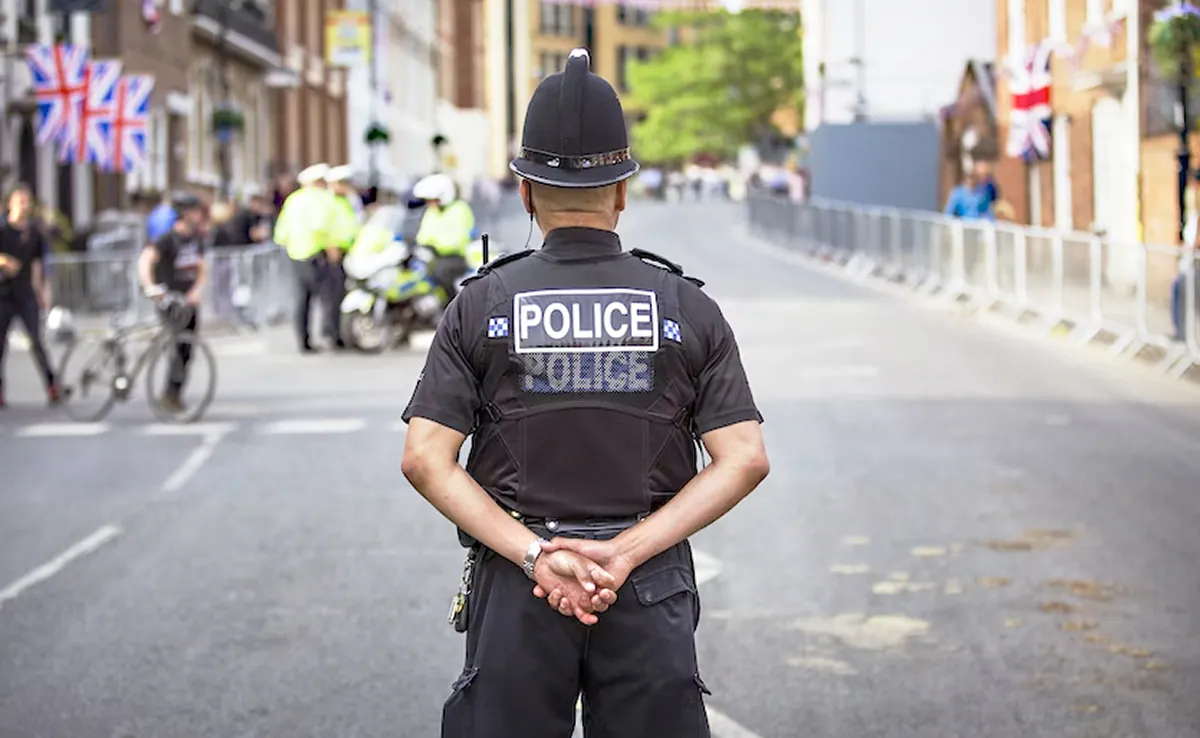
The Undercover Policing Inquiry (UCPI), established in 2015, continues to be a vital yet controversial investigation into the UK’s shadowy past of undercover law enforcement operations. Initially prompted by revelations that undercover police officers had formed deceitful and intimate relationships with unsuspecting women, the inquiry has uncovered disturbing layers of unethical practices dating back more than five decades.
Despite mounting pressure from political figures and media commentary suggesting that the inquiry should be swiftly closed due to escalating costs, women who were directly affected by these abuses are speaking out with renewed determination. Their collective stance is clear: the inquiry must continue—not just for accountability, but for justice and long-overdue reform.
The public debate around the UCPI has recently intensified after the Daily Telegraph reported that the inquiry’s costs could soar past £200 million. This revelation prompted shadow home secretary Chris Philp to criticize the financial trajectory, calling for the inquiry to be “rapidly wound up.” Former detective Martyn Underhill also weighed in, labelling the process a “national embarrassment” due to the prolonged timeline and spiralling expenses.
Unnamed political sources have even gone so far as to brand the inquiry a “gravy train” for legal professionals. However, these criticisms, centered around the cost and duration of the process, have sparked a backlash from advocacy groups, particularly those representing the women deceived by these covert officers.
Reframing the Real Outrage
For the Women Deceived by Undercover Police, the conversation around the UCPI’s cost misses the most crucial point. The true scandal, as they argue, lies not in the inquiry’s financial burden, but in the systemic abuse and lack of oversight that enabled these practices in the first place.
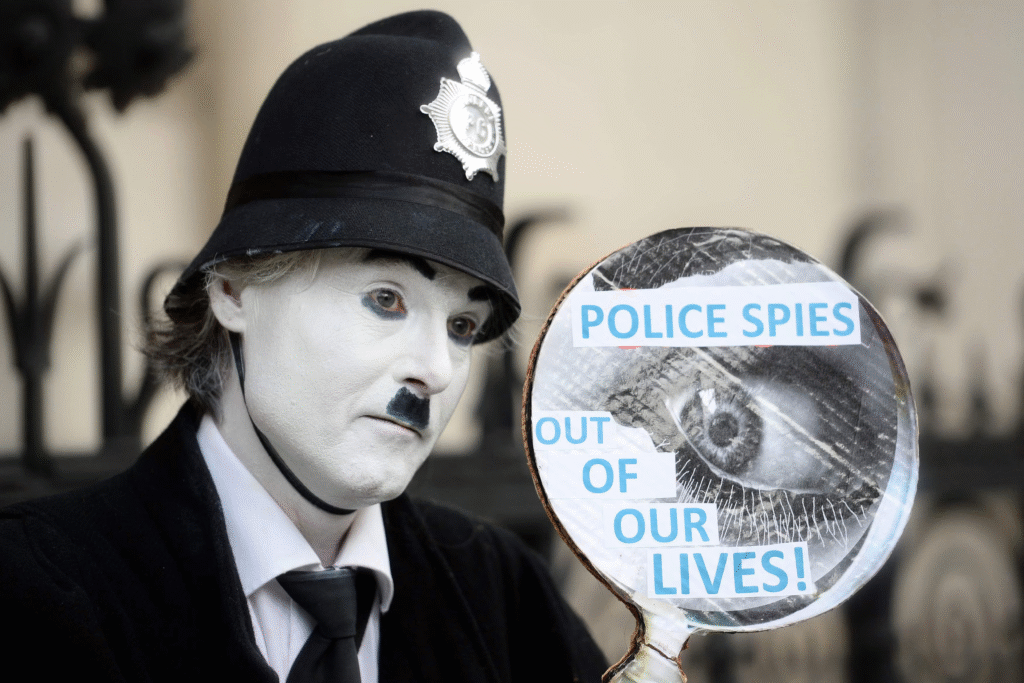
Police Spies Out of Lives, an advocacy group representing many of these women, issued a pointed response to the recent criticisms. According to their spokesperson, the anger of politicians and the public should be directed at the undercover units’ conduct, rather than the financial toll of investigating them.
The group acknowledges the lengthy and often delayed process of the inquiry, noting that a significant portion of the timeline issues stem from repeated requests by the police to grant anonymity to the officers involved. This tactic has reportedly slowed progress and obstructed transparency.
Yet despite this, the group insists that terminating the inquiry prematurely would not only disregard the harm suffered by victims but would also forfeit a rare opportunity to expose and rectify a deeply flawed system. The undercover policing units under scrutiny—namely, the Special Demonstration Squad (SDS) and the National Public Order Intelligence Unit (NPOIU)—operated from 1968 to 2008 and 1999 to 2010, respectively.
Read : Ukrainian Birds Use Fibre Optics from War-Damaged Drones to Build Nests
These units infiltrated activist groups, political movements, and family justice campaigns, often engaging in morally and legally dubious behavior under the guise of public security. The women deceived into intimate relationships with officers were often targeted because of their political activism, only to find out years later that their partners were state agents using fake identities.
Read : Rachel Reeves Becomes UK’s First Female Finance Minister
In some cases, officers used the identities of deceased children without the knowledge or consent of their families—an action that adds another layer of ethical violation to an already troubling story. The deception was not limited to relationships alone; reports have emerged that undercover police were involved in criminal activities under their false personas. This has led to convictions that are now considered potentially unsafe, prompting referrals to the Miscarriage of Justice Panel and resulting in at least one overturned conviction this year.
Inquiry’s Progress and Public Interest
While critics cite the inquiry’s duration and escalating cost as reasons for its termination, it’s important to consider the scope and complexity of what it is investigating. The UCPI is tasked with examining over 50 years of covert policing activities, many of which were designed to leave no trace. The challenges in gathering testimony, verifying evidence, and cross-referencing timelines are immense, particularly when the very institutions being investigated resist full disclosure.
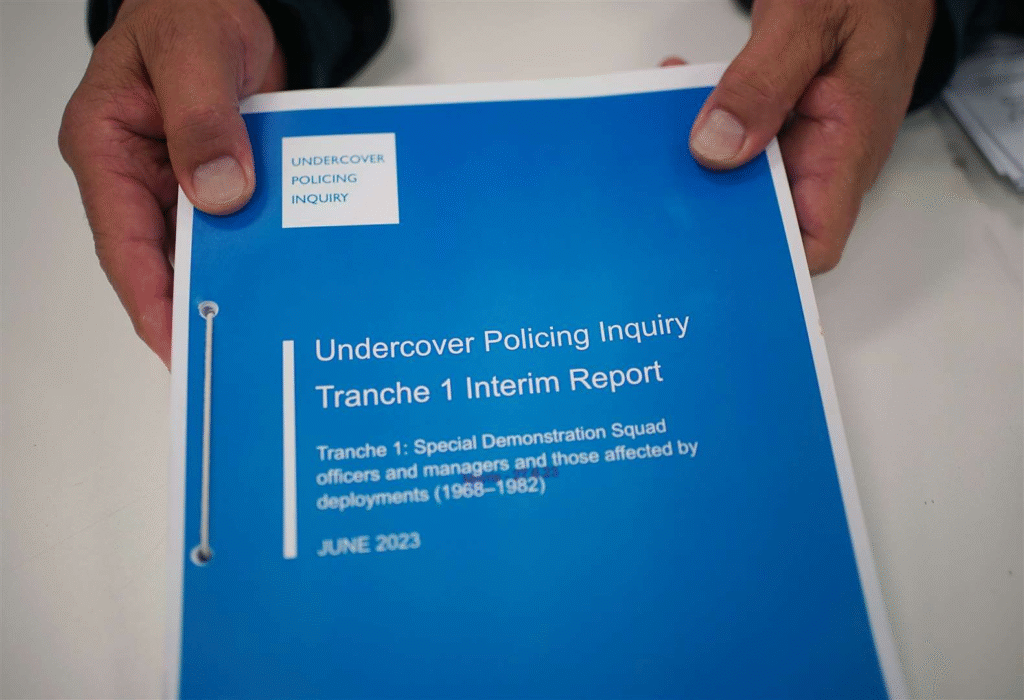
The inquiry’s first interim report, published in 2023, provided a glimpse into the disturbing tactics employed by undercover officers and revealed significant institutional failures. However, a full picture has yet to emerge. The upcoming hearings scheduled for October 2025, focusing on the SDS’s operations between 1993 and 2007, are particularly significant.
These sessions will cover the surveillance of the Stephen Lawrence family campaign—a movement that sought justice for the racially motivated murder of a Black teenager in 1993. The revelation that police spied on such a sensitive and high-profile campaign underscores the extent of overreach and raises fundamental questions about the balance between security and civil liberties.
Additionally, the inquiry has led to concrete outcomes that underscore its necessity. It has made multiple referrals to legal bodies, including the Miscarriage of Justice Panel, based on uncovered evidence. These referrals are not trivial—they speak to the real-world impact of undercover operations on people’s lives, reputations, and legal standing. The quashing of convictions is a profound indication that the inquiry is not simply a costly bureaucratic exercise, but a vital mechanism of justice and redress.
The inquiry’s spokesperson reaffirmed its commitment to transparency and accountability, noting that the inquiry regularly publishes quarterly updates on its website, including financial disclosures. This level of openness is in stark contrast to the secretive nature of the police units being investigated and serves as a necessary counterbalance in a democratic society.
Moral Responsibility and the Way Forward
For the women who were deceived, the fight is not just about seeking justice for themselves; it is about ensuring that the systemic flaws which enabled this abuse are addressed so that no one else suffers in the same way. The call to shut down the inquiry on the grounds of cost is, in their eyes, a betrayal of that goal and a dismissal of the trauma they endured.
Their stories are not abstract examples of government overreach—they are lived experiences of manipulation, betrayal, and emotional harm perpetrated by the very institutions meant to protect them. Ending the inquiry without a full reckoning would send a dangerous message: that the state can violate the rights of its citizens in secret and avoid accountability if the cost of transparency becomes politically inconvenient.
While it is reasonable to scrutinize public spending, particularly in prolonged inquiries, it is also crucial to weigh such costs against the benefits of justice, public trust, and institutional reform. The UCPI is not just a ledger entry; it is an opportunity for democratic renewal. The exposure of wrongdoing, the validation of victims’ experiences, and the development of safeguards to prevent future abuses are invaluable outcomes that go far beyond monetary figures.
Moreover, prematurely ending the inquiry would undermine the very principles of transparency and accountability that it seeks to uphold. The inquiry provides a platform for those who were harmed to be heard, and it fosters a culture of institutional responsibility that could have ripple effects throughout law enforcement and beyond.
The government’s obligation is not only to be fiscally prudent but also to be morally accountable. The voices of the women deceived by undercover police are a powerful reminder that justice cannot be measured solely in pounds and pence. They have waited years for the truth to emerge, and their insistence on seeing the inquiry through to its conclusion is both a moral imperative and a democratic necessity.
In a time when trust in institutions is increasingly fragile, allowing the UCPI to continue is not just about addressing past wrongs—it is about safeguarding the future. The cost of abandoning the inquiry may be higher than anyone can calculate, not in terms of money, but in the erosion of public faith in justice itself.