
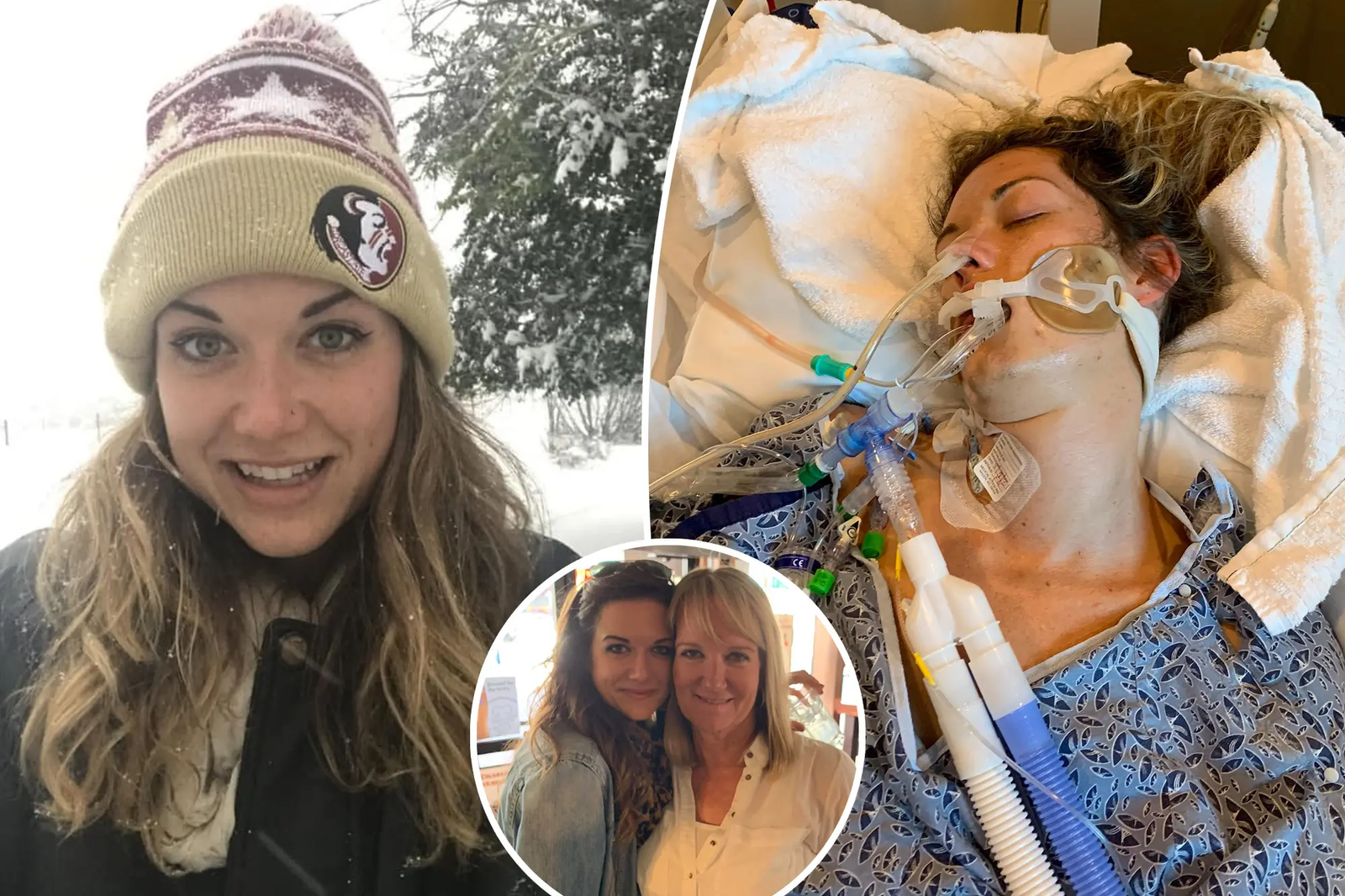
The sudden and tragic death of 28-year-old Florida teacher and fitness enthusiast Katie Donnell has left her family, friends, and the health-conscious community in shock. Known for her dedication to fitness, clean eating, and an active lifestyle, Katie’s passing from a heart attack has sparked concerns about the potential dangers of excessive caffeine consumption.
Her mother, Lori Barranon, has since spoken out about her daughter’s habitual intake of energy drinks and pre-workout supplements, urging others to be cautious about their consumption of these stimulants. This devastating loss serves as a wake-up call for those who rely on caffeine as part of their fitness routine.
A Life Dedicated to Health and Fitness
Katie Donnell was passionate about maintaining a healthy lifestyle. She was known as a “workout queen” among her peers, committed to a strict regimen of exercise and clean eating. Her daily routine included hitting the gym regularly, consuming organic food, and staying disciplined in her physical fitness goals.
However, Katie also had a heavy reliance on energy drinks and pre-workout caffeine supplements, which she believed enhanced her performance in the gym.
Her mother, Lori Barranon, described Katie as the epitome of health, aside from her caffeine consumption. “She ate real clean, she ate organic food, she was the epitome of health other than [having energy drinks],” she stated.
Despite leading what seemed like a model healthy lifestyle, Katie’s dependency on energy drinks might have been a contributing factor to her tragic and untimely death.
The Devastating Health Consequences of Caffeine Overuse
While moderate caffeine intake can provide benefits such as increased alertness and improved physical performance, excessive consumption carries serious health risks. Katie was consuming up to three energy drinks per day, in addition to a caffeine supplement before her workouts.
Her mother strongly believes that this excessive caffeine intake played a major role in her daughter’s health decline. Katie had been experiencing severe anxiety for some time, which had led her to visit multiple doctors.
Read : What Are the Warning Signs of a Silent Heart Attack?
However, her mother now suspects that the anxiety was not a medical condition but rather a side effect of her overuse of caffeine. Studies have shown that high doses of caffeine can lead to heightened anxiety, increased heart rate, and elevated blood pressure—all of which can put significant strain on the cardiovascular system.

In August 2021, while spending time with friends, Katie suddenly collapsed. Her eyes rolled to the back of her head, and her friends initially thought she had suffered a stroke. Paramedics arrived, but it was too late—she had been without oxygen for an extended period, leading to severe brain damage. She was placed in a medically induced coma for 10 days, but her seizures worsened, leaving her family with no choice but to take her off life support.
Medical professionals were hesitant to directly attribute her death to caffeine consumption, but her mother remains convinced. “Doctors said they see this happen a lot with people that do a lot of pre-workout or energy drinks but they wouldn’t give the cause of death to that,” Barranon revealed. “I know for a fact that was what was wrong with her.”
Raising Awareness and the Dangers of Excessive Caffeine Consumption
Katie’s tragic story is not an isolated case. There have been numerous reports of young, otherwise healthy individuals suffering from caffeine-related cardiac issues.
In 2018, 21-year-old Australian musician Lachlan Foote died of caffeine toxicity after adding a teaspoon of caffeine powder to his protein shake. More recently, 20-year-old Jazmin Garza was placed on life support after consuming just a few sips of an energy drink before a workout.

The recommended safe limit for caffeine intake for most adults is around 400 milligrams per day. However, many energy drinks contain anywhere from 150 to 300 milligrams per can, meaning that consuming multiple cans can easily push an individual over the safe threshold.
Additionally, caffeine from pre-workout supplements and coffee can compound the effects, leading to an excessive intake that puts a significant strain on the heart.
Katie’s mother is now urging others to be cautious about energy drink consumption, especially young people and fitness enthusiasts who may be unknowingly pushing their bodies beyond safe limits. “If you don’t keep your kids away from this stuff you may be in my situation where your life is ruined,” she warned.
This heartbreaking case serves as an important reminder that even seemingly healthy habits can have hidden dangers. While caffeine can be a helpful aid for energy and performance, it must be consumed responsibly.
Education on caffeine toxicity, awareness of the risks, and setting personal limits on consumption are crucial steps in preventing further tragedies like Katie Donnell’s untimely death.