
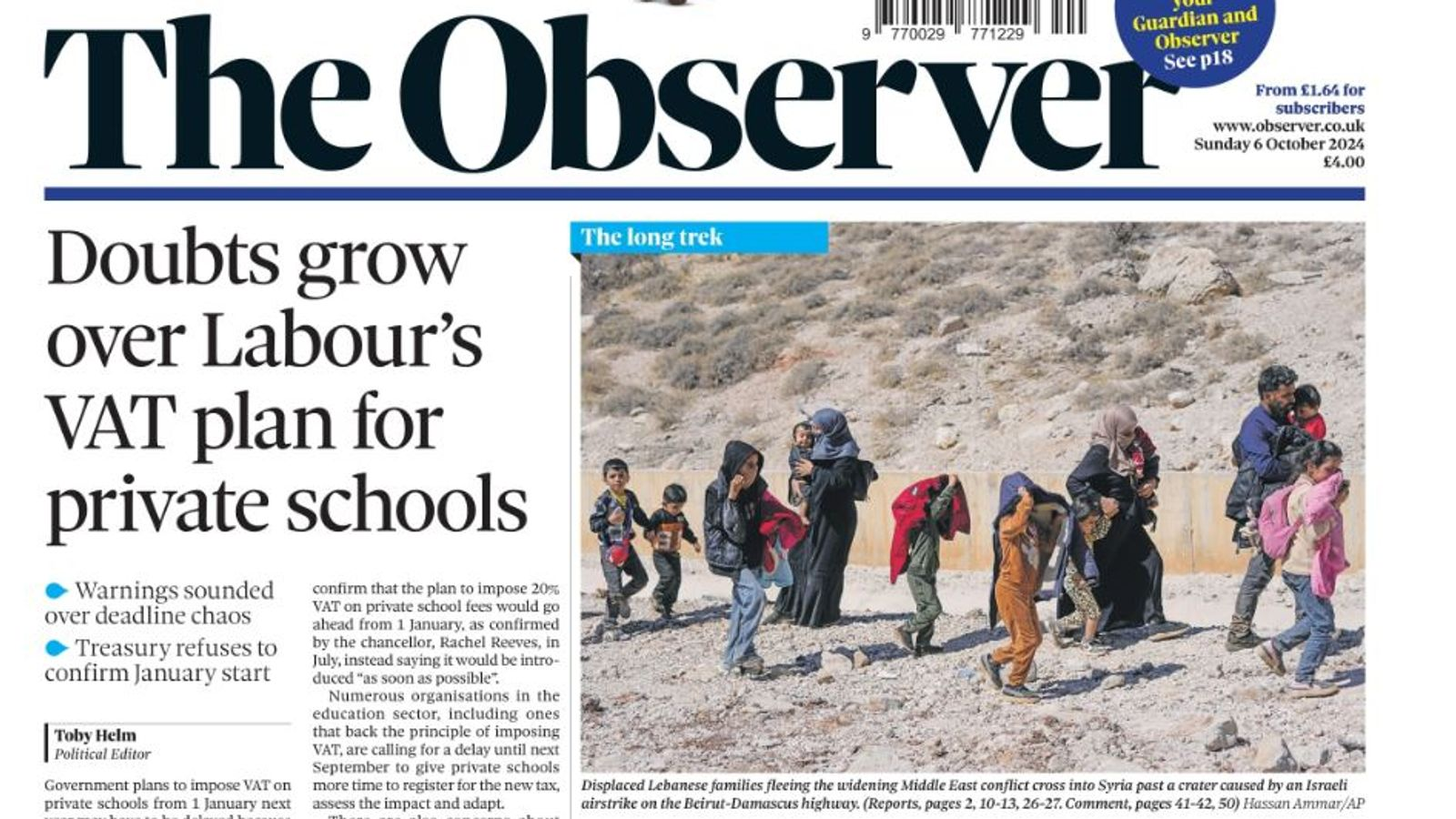
The Observer, the world’s oldest Sunday newspaper, has been sold to Tortoise Media in a historic deal that marks a significant shift in the British media landscape. Founded in 1791, the Observer has long been a pillar of liberal values and journalistic integrity.
Its sale to Tortoise Media, a relatively new player in the media world, represents a crucial turning point for the publication as it seeks to modernize its operations and expand its digital presence.
A Historic Transition: The Observer Joins Tortoise Media
In a statement released on Wednesday, the Scott Trust, the owner of Guardian Media Group (GMG), confirmed that it had sold the Observer to Tortoise Media for an undisclosed sum. The acquisition is a combination of cash and shares, marking the end of Observer’s long tenure under GMG’s ownership.
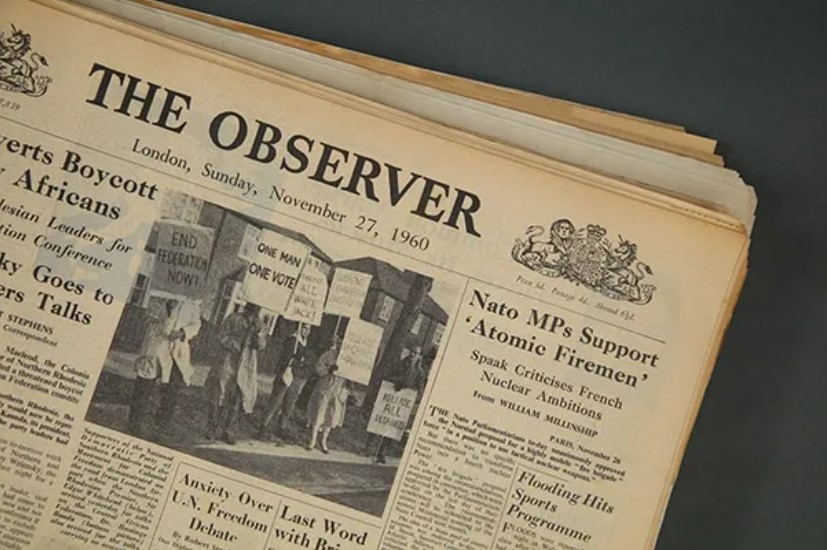
Observer, which became part of GMG in 1993, has a storied history dating back to its founding in 1791. Over the centuries, it has built a reputation as a bastion of liberal values in the British media, with its coverage often focusing on social justice, human rights, and political integrity.
The acquisition by Tortoise Media comes as part of a broader strategy to rejuvenate Observer and bring it into the digital age. Founded in 2019 by James Harding, the former editor of The Times and BBC’s director of news, along with former U.S. ambassador Matthew Barzun, Tortoise Media is a relatively new entity.
It has already gained attention for its unique, slower journalism approach, focusing on in-depth stories and thoughtful commentary rather than sensationalism.
This shift to a new owner signals an exciting chapter for Observer, as Tortoise promises to uphold the paper’s historic values while also adapting to the changing demands of today’s media landscape.
Read : Europe’s Richest Man Arnault Sues Elon Musk’s X for Using His Newspapers’ Content
James Harding, the co-founder of Tortoise Media, expressed his excitement about the acquisition, emphasizing that Observer holds a special place in the hearts of its readers and occupies a historic position in the world of journalism. He stated that Tortoise is eager to ensure the newspaper’s values continue to resonate with readers for many years to come.
Read : The Elite Ten: A Comprehensive Guide to the World’s Most Read Newspapers in 2024
The deal includes a five-year commercial agreement between Tortoise Media and GMG. This agreement will see Tortoise pay for print and distribution services, as well as marketing through the Guardian brand.
Additionally, the Scott Trust has agreed to invest $6.3 million in Tortoise Media, securing a 9% stake in the company. This move is part of a larger $32 million investment that will help Tortoise Media expand its digital presence and enhance Observer’s online brand.
A New Era for Observer: Digital Transformation and Leadership Changes
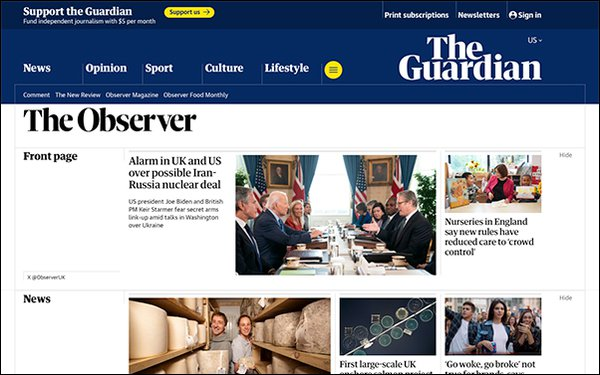
One of the key elements of the deal is the transformation of the Observer’s digital identity. Despite its long history and distinguished reputation, Observer has struggled to establish a robust digital presence, with its online platform being secondary to the Guardian’s more dominant digital reach.
Tortoise Media has committed to establishing a strong online brand for Observer, ensuring that its historic values are preserved while also reaching new audiences through digital channels.
As part of the deal, Lucy Rock has been appointed as the print editor of the Observer, becoming the first woman in the newspaper’s 100-year history to hold the role.
Her appointment represents a significant milestone for the Observer and brings a fresh perspective to the newspaper’s editorial direction. Lucy Rock will work closely with a digital editor as part of the strategy to build the Observer’s digital brand and make the newspaper more accessible to a wider, global audience.
The leadership changes at the Observer reflect Tortoise’s commitment to revitalizing the publication. Harding, the co-founder of Tortoise Media, will oversee the editorial direction of the Observer, bringing his experience as a former editor of The Times and director of news at the BBC.
This combination of print and digital leadership is designed to modernize the Observer while respecting its historical identity and values.
Tortoise’s plans for the Observer are rooted in the belief that thoughtful, long-form journalism is still highly valued in today’s fast-paced media environment. Tortoise Media’s approach is focused on providing in-depth stories and encouraging reflection, rather than chasing the latest sensational headlines.
This aligns well with the Observer’s legacy of providing quality journalism, and it is expected that this new ownership structure will help the paper maintain its relevance in a competitive and often turbulent media landscape.
Challenges and Opportunities for the Observer Under Tortoise Media
While the acquisition by Tortoise Media holds much promise, it also brings with it certain challenges. The Observer, like many traditional newspapers, has been grappling with declining print circulation and advertising revenues in the face of digital disruption.
The shift towards digital media, coupled with changing reader habits, has forced newspapers worldwide to reconsider their business models and embrace digital transformation.
Tortoise Media’s approach to journalism, which focuses on deeper, slower reporting, offers a potential solution to these challenges. However, transitioning the Observer from a print-focused publication to a more digitally oriented platform will require significant investment in both technology and talent.
The fact that Tortoise Media has committed to strengthening the Observer’s online presence is a positive sign, but it remains to be seen how quickly the publication can build a strong, sustainable digital audience.

The new leadership at the Observer will also face the task of preserving the paper’s historic identity while ensuring that it remains competitive in an ever-changing media landscape. Maintaining a balance between tradition and innovation will be critical for the paper’s future success.
The appointment of Lucy Rock as print editor and the focus on building a digital presence indicate that Tortoise Media is keen on adapting the Observer for modern readers while respecting its rich journalistic history.
In addition to the challenges of digital transformation, the Observer will also need to navigate the broader challenges facing British journalism, including political polarization, declining trust in the media, and the rise of misinformation.
The Observer has long been a symbol of liberal values, and under Tortoise Media’s leadership, it will need to continue providing quality, unbiased journalism that resonates with readers across the political spectrum.
The Future of Journalism: A Vision for Slow, In-Depth Reporting
The sale of the Observer to Tortoise Media is part of a broader shift in the media industry towards slow, in-depth journalism. As traditional news outlets continue to face financial pressure and competition from digital platforms, there is a growing recognition of the value of thoughtful, investigative reporting that takes time and resources to produce.
Tortoise Media, with its commitment to slower journalism, has positioned itself as a leader in this field. By acquiring the Observer, Tortoise is expanding its influence and reinforcing its vision for the future of journalism. The Observer, with its legacy of high-quality reporting, is a natural fit for Tortoise’s model, which emphasizes quality over speed and sensationalism.
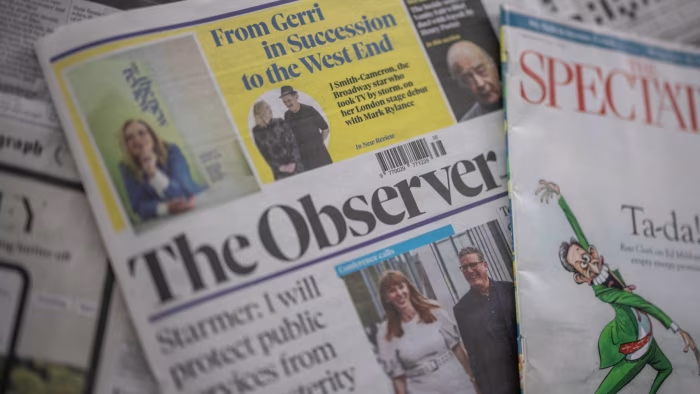
In an era of instant news and clickbait headlines, the Observer’s new owners are betting that readers still value long-form journalism that tells a deeper story. If successful, the Observer’s transformation under Tortoise Media could set a new standard for newspapers in the digital age, showing that quality journalism can still thrive in an environment dominated by fast-paced, short-form content.
A New Chapter for the Observer and Journalism in the Digital Age
The sale of the Observer to Tortoise Media represents a pivotal moment in the history of British journalism. With a rich legacy stretching back over two centuries, the Observer is now embarking on a new chapter under the leadership of Tortoise Media.
This acquisition promises to bring fresh investment and ideas to the Observer, with a focus on enhancing its digital presence and ensuring that its historic values continue to resonate with new generations of readers.
As the media industry continues to evolve, the Observer faces significant challenges, but it also has the opportunity to reinvent itself for the digital age.
By embracing slow, thoughtful journalism, the Observer can continue to provide a vital voice in the world of British media, offering readers in-depth, reflective reporting that stands in contrast to the often superficial nature of modern news.
The next few years will be crucial in determining whether Tortoise Media’s vision for the Observer can succeed in the ever-changing media landscape. However, with its storied history, commitment to quality journalism, and new leadership, the Observer is well-positioned to thrive in this new era.