
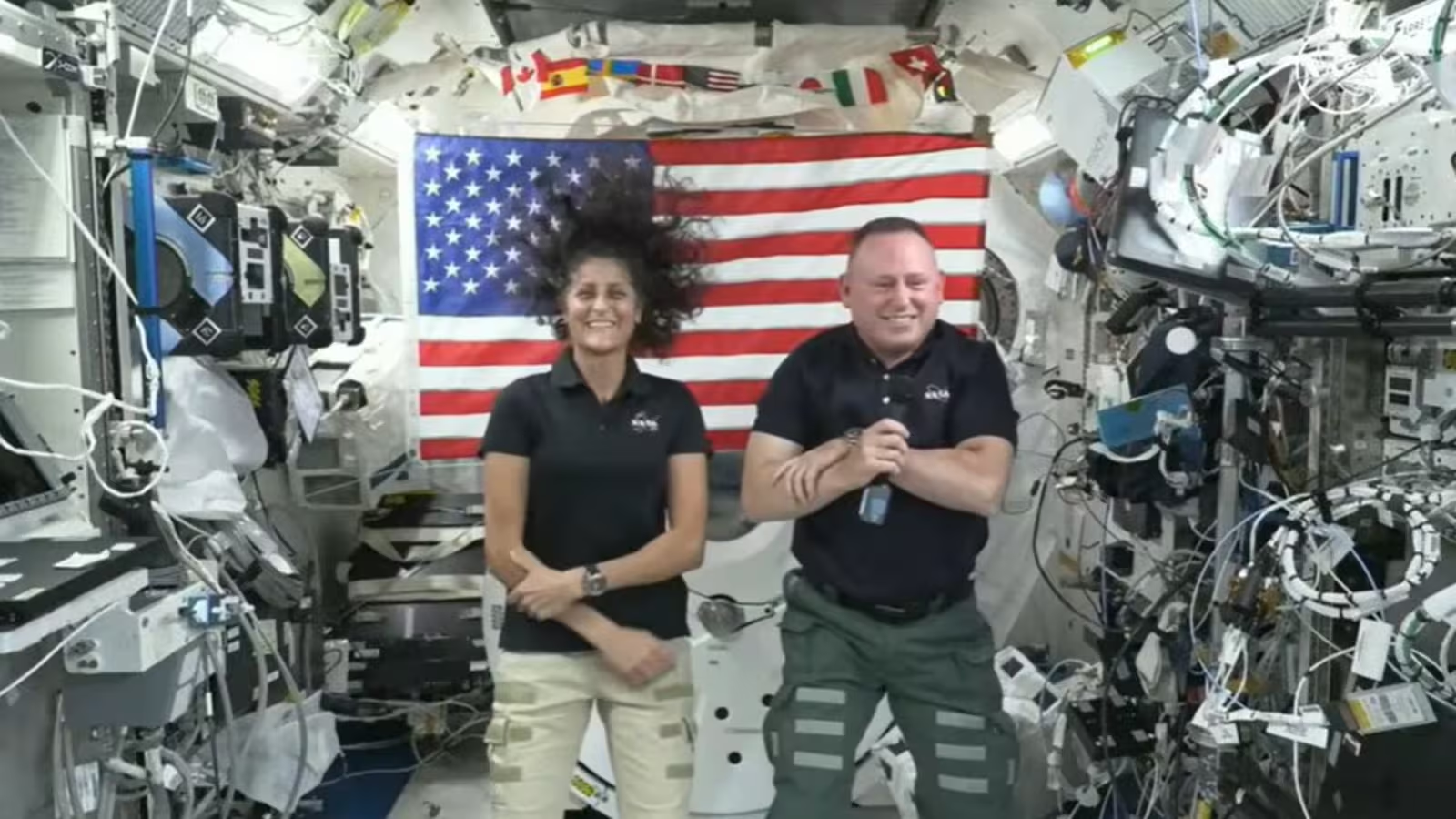
Astronauts aboard the International Space Station (ISS) face unique challenges that require cutting-edge technology to sustain their health and well-being. One of the most critical needs for astronauts living in space for extended periods is a consistent supply of fresh water. This is where advanced water recovery technology comes into play.
Sunita Williams and Butch Wilmore, two experienced astronauts, have been relying on a state-of-the-art system to recycle their urine and sweat into clean drinking water, ensuring that they can survive in space without the constant need for resupplies from Earth.
The Science Behind Water Recovery Technology(WRS)
Water recovery technology aboard the ISS is a game-changer in space exploration. Without gravity and the abundance of resources available on Earth, astronauts have to rely on innovative systems that recycle water from waste products, such as urine, sweat, and even the humidity in the air.
At the heart of this remarkable system is the Water Recovery System (WRS), which captures liquid waste, purifies it, and converts it into fresh drinking water.
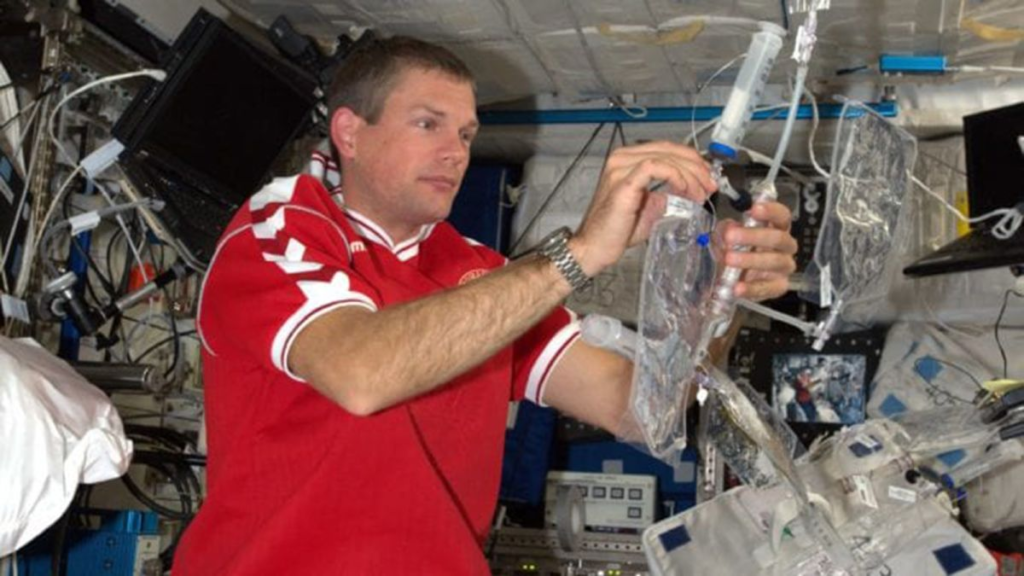
The process begins by collecting the urine, sweat, and condensation produced by the astronauts. These waste liquids are collected in special containers and transported to the WRS.
The WRS then separates the water from the contaminants and other materials using a multi-step purification process. The water undergoes distillation, filtration, and ion exchange to ensure that it is free from harmful substances. The result is water that is clean and safe for human consumption, meeting the highest standards of quality.
Read : NASA Has Extended Sunita Williams’s Stay at ISS: Here’s Why
One of the most fascinating aspects of the technology is its efficiency. The system extracts water from multiple sources, including human waste and the air, ensuring that virtually no water goes to waste.
Read : Sunita Williams and Butch Wilmore’s Urine and Sweat Recycled into Fresh Water on ISS
Even the smallest amount of moisture is captured, purified, and turned into usable water, providing astronauts with a sustainable and reliable water supply. This system is essential for long-duration missions, where the cost and logistics of resupplying astronauts with fresh water from Earth would be prohibitive.
Why Is Water Recovery Technology So Important for Astronauts?
The need for a reliable water supply in space cannot be overstated. Water is vital not only for drinking but also for hygiene, cooking, and other essential activities. In the microgravity environment of space, water behaves differently than it does on Earth. Without gravity, water doesn’t flow in the same way, which can create problems in how it’s collected and distributed.
The ability to recycle water from waste products like urine and sweat solves many logistical challenges. On Earth, wastewater treatment plants handle similar tasks of purifying water from various sources, but in space, the process has to be far more efficient and compact.
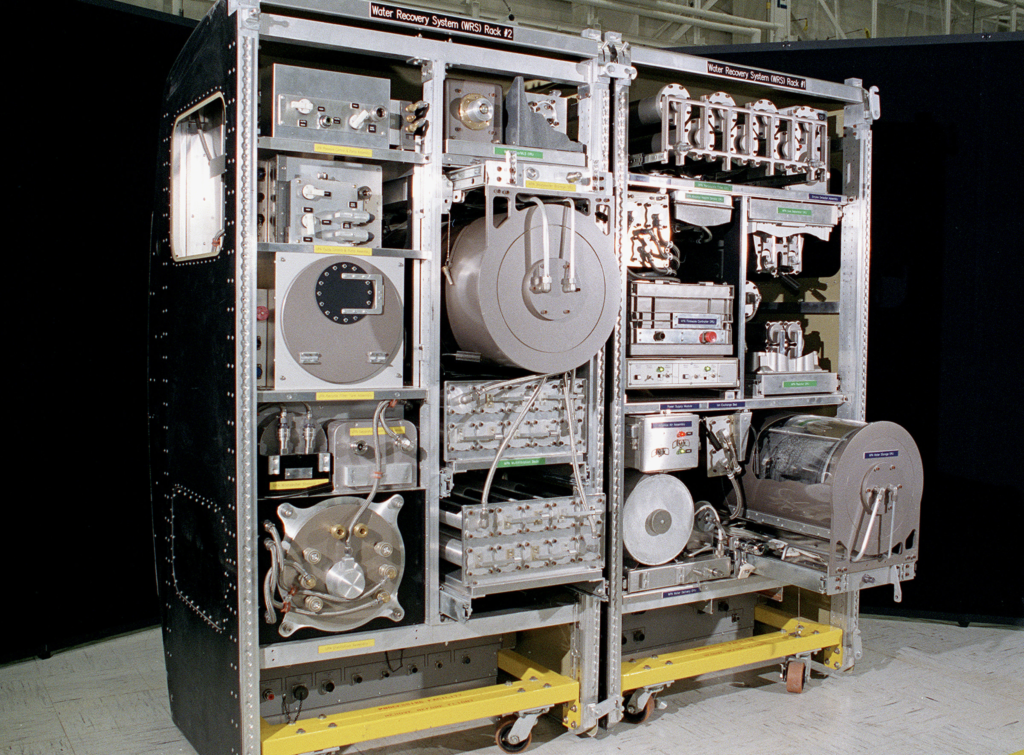
This is because space missions involve limited resources, and bringing large amounts of water from Earth is not feasible. Instead, astronauts must rely on closed-loop systems like the WRS, which can continually recycle water without the need for frequent resupplies.
The success of this technology is particularly critical for long-term missions beyond low Earth orbit, such as those planned for the Moon or Mars. Astronauts on missions to the Moon or Mars will not have the luxury of regular resupplies, and the ability to create a sustainable environment where water can be recycled and reused will be crucial for their survival.
The WRS and similar technologies are laying the groundwork for future space missions, helping NASA and other space agencies plan for long-duration missions that could last months or even years.
Sunita Williams and Butch Wilmore’s Experiences with Water Recovery
Sunita Williams and Butch Wilmore’s extended stay aboard the ISS has provided valuable insights into how water recovery technology works in real-world space environments.
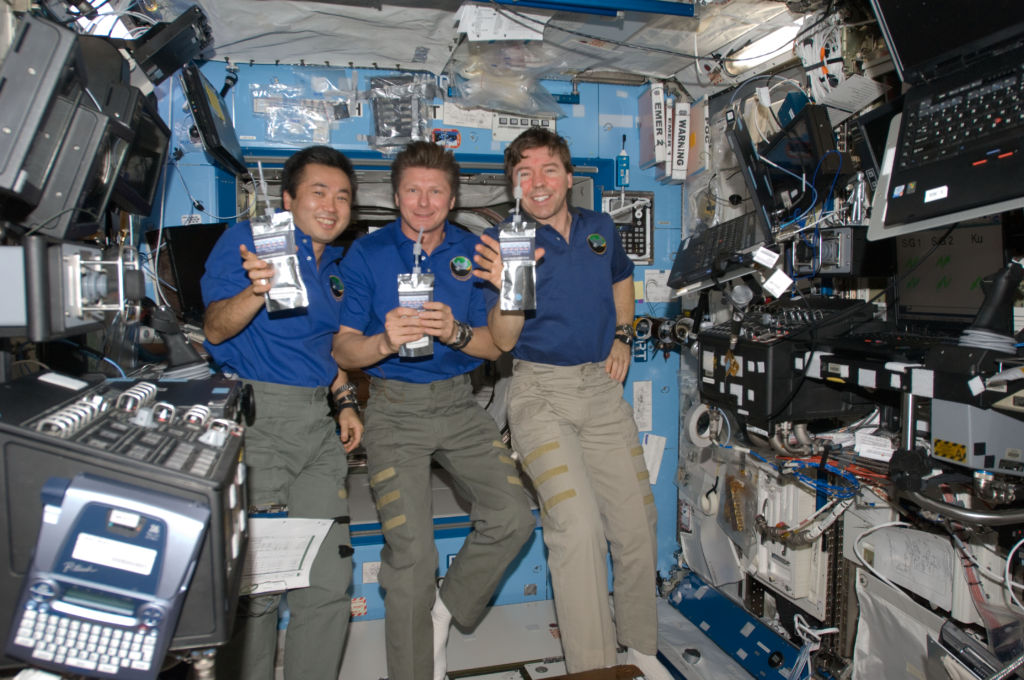
During their time in space, they have been relying on the WRS to meet their water needs, turning their urine and sweat into fresh drinking water. This closed-loop system is crucial for astronauts who spend extended periods in space and may not have access to resupplies from Earth.
As part of their daily routine, Williams and Wilmore consume a variety of foods and beverages, but access to fresh produce is limited due to the challenges of storing and transporting such items. However, the water recovery system ensures that they always have access to clean water, allowing them to stay hydrated and maintain their health.
Reports indicate that the astronauts have been able to consume a wide range of foods, including roast chicken, tuna, shrimp cocktails, pizza, and breakfast cereals. Despite the limited access to fresh produce, the careful management of food supplies ensures that they receive the nutrients necessary to sustain them for the duration of their mission.
One of the most remarkable aspects of Williams and Wilmore’s mission is how they have adapted to the lack of gravity and other challenges associated with living in space. Williams has addressed concerns about her health and visible weight loss, explaining that the changes in her appearance are due to the fluid shifts that occur in the weightlessness of space.
These fluid shifts can make astronauts appear thinner or more gaunt, but they do not necessarily indicate a lack of nutrition or hydration. Williams reassured the public that her weight remained stable and that her health was being closely monitored by doctors on Earth.
The Future of Water Recycling in Space
The success of the Water Recovery System aboard the ISS marks an important milestone in space exploration, but it also raises important questions about the future of water recycling technology. As human exploration of space continues to advance, NASA and other space agencies are working to improve these systems to make them even more efficient and reliable.
Future space missions, such as those to Mars, will require astronauts to live and work in space for extended periods, making the ability to recycle water even more important. The technology will need to be adapted for longer missions and harsher environments, ensuring that astronauts can survive and thrive even on distant planets.
In addition to improving the technology for recycling water, scientists are also investigating ways to recycle other essential resources, such as air and food, using similar closed-loop systems.
The goal is to create self-sustaining habitats that can support human life on distant planets without relying on Earth for resupplies. This would make long-term space exploration more feasible and open up new possibilities for colonizing other planets.
As the technology evolves, it is likely that water recovery systems will become even more advanced and capable of producing larger quantities of clean water from a variety of sources. These systems will play a key role in ensuring the success of future space missions, allowing astronauts to live and work in space for extended periods without the need for constant resupplies.
Water recovery technology, exemplified by the Water Recovery System aboard the ISS, has revolutionized the way astronauts live and work in space. By recycling urine and sweat into fresh water, astronauts like Sunita Williams and Butch Wilmore can maintain their health and hydration without relying on resupplies from Earth.
This technology not only ensures the success of current space missions but also lays the foundation for future exploration of the Moon, Mars, and beyond. As space agencies continue to push the boundaries of human space travel, the advancements made in water recycling technology will play a crucial role in supporting long-duration missions and ensuring that astronauts can thrive in the harsh environment of space.