
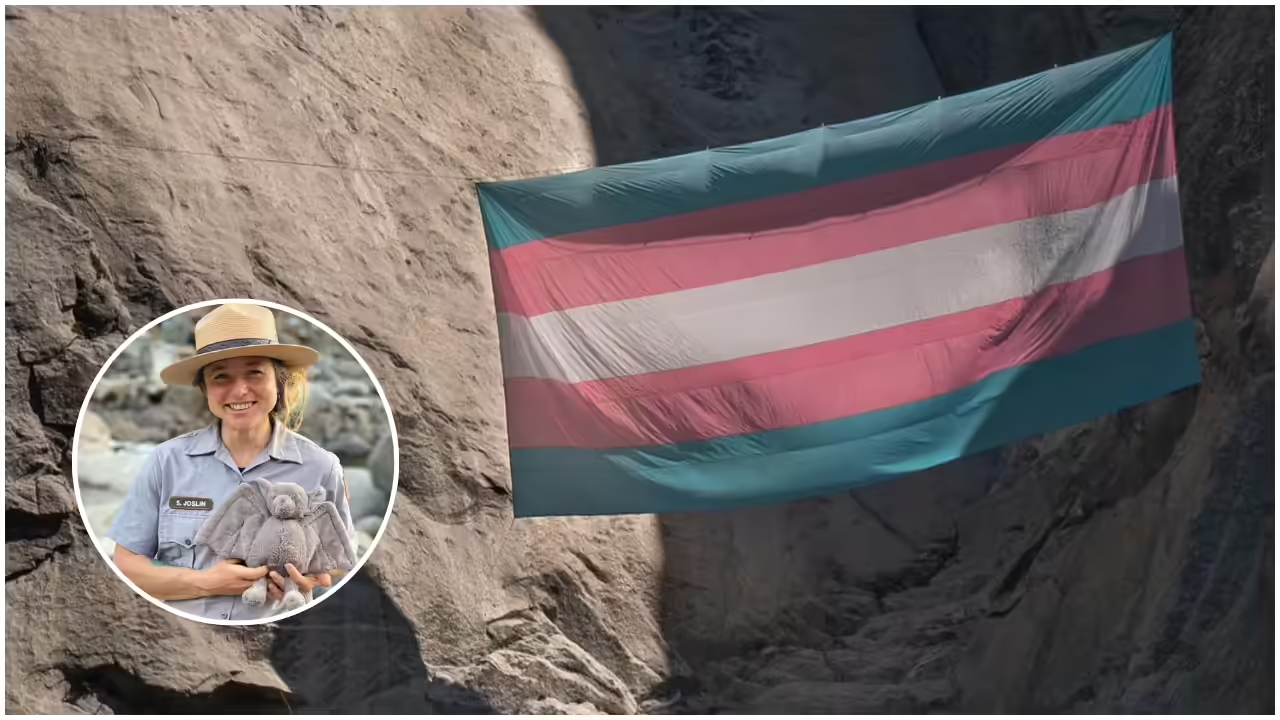
A former wildlife biologist and park ranger at Yosemite National Park has filed a federal lawsuit challenging their dismissal after participating in a high-profile protest involving a transgender pride flag. Shannon “S.J.” Joslin, a non-binary employee with a doctorate in genetics and a longstanding career in public service, alleges that their termination violated constitutional protections of free speech and federal privacy laws.
The lawsuit, filed in federal court in Washington, D.C., names multiple federal agencies and officials, including the National Park Service and the Department of the Interior, and seeks reinstatement, damages, and an end to any criminal inquiry related to the protest. The case raises complex questions about the boundaries of political expression by federal employees, the regulation of demonstrations on public lands, and the treatment of transgender issues within federal agencies.
The Protest on El Capitan and Its Aftermath
The events leading to the lawsuit began in May 2025, when Joslin joined six others in scaling the granite face of El Capitan, one of the most iconic landmarks in Yosemite National Park. The group unfurled a 55-foot by 35-foot transgender pride flag from the cliff face, where it remained visible for less than three hours before being taken down. According to the complaint, the demonstration was organized by three off-duty park rangers and four friends, all of whom identified as members of the LGBT+ community or allies. Joslin has stated that the action was intended as a peaceful expression of solidarity and reassurance to transgender and non-binary individuals visiting the park.
At the time of the protest, Joslin was not on duty. The complaint asserts that the participants took care to ensure they were acting in a personal capacity and not representing the agency. The lawsuit further claims that prior to the demonstration, they consulted colleagues who had attended official National Park Service training on First Amendment issues. According to the filing, those colleagues advised that employees were permitted to engage in expressive conduct so long as they were off duty and did not imply official endorsement.
Despite these precautions, Yosemite authorities responded swiftly. On May 21, the day after the protest, park officials announced a new ban on flying large flags from most areas of the park. Although the document announcing the restriction was dated May 20, the lawsuit alleges it was not electronically signed until May 21, suggesting to the plaintiffs that the rule was adopted in direct response to the pride flag display. The complaint characterizes the stated rationale for the ban as a pretext for suppressing speech deemed unfavorable by federal authorities.
Read : After Stonehenge, Climate Activists Target Taylor Swift’s Private Jet: Watch Video
Three months later, Joslin was terminated from their position for what was described as a failure to demonstrate acceptable conduct. According to the lawsuit, they were also informed that they were under criminal investigation. The complaint describes this sequence of actions as a “vindictive campaign” intended to punish protected speech and deter future expressive activity.
Allegations of Constitutional Violations and Retaliation
Central to Joslin’s lawsuit is the claim that their dismissal constitutes unlawful retaliation in violation of the First Amendment. The complaint emphasizes that for decades, climbers at Yosemite have used El Capitan as a platform for a wide array of expressive displays, both political and non-political. Past examples cited in public discussions include environmental protests, inverted American flags, Father’s Day greetings, and banners referencing international conflicts. According to the lawsuit, no federal employees have previously been disciplined for participating in comparable off-duty demonstrations.
Joslin’s legal team argues that the pride flag display falls squarely within protected speech under the Constitution. The First Amendment limits the government’s ability to restrict expression, particularly when it concerns political viewpoints. While government employers retain some authority to regulate employee conduct, courts have historically applied a balancing test when assessing whether disciplinary action infringes on constitutional rights. The lawsuit contends that Joslin’s speech addressed matters of public concern, was conducted while off duty, and did not interfere with workplace operations or visitor safety.
Read : 23-Year-Old Balin Miller Dies After Falling from Yosemite’s El Capitan While Livestreaming
The complaint also references the Privacy Act, asserting that the alleged criminal investigation and associated disclosures may have violated statutory protections governing personal information. Although the specific details of the investigation have not been publicly outlined, the lawsuit claims that the threat of criminal enforcement has had a chilling effect on Joslin’s speech and professional reputation.
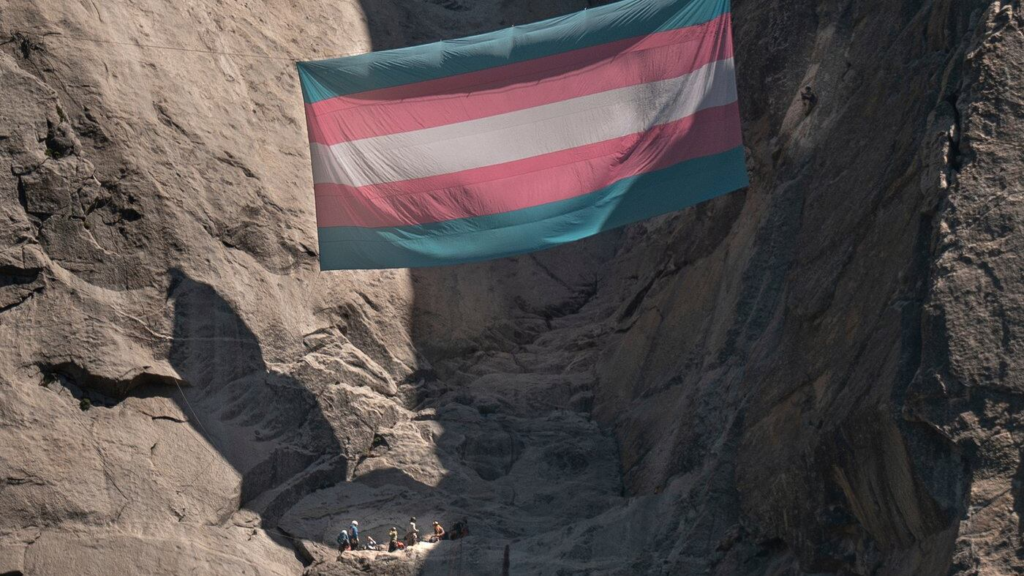
The federal government, through a spokesperson for the Interior Department, has declined to comment on the specific allegations but emphasized that the protection of park resources and visitor experiences is a priority. The department has stated that demonstrations conducted without a permit outside designated First Amendment areas can detract from those objectives. Federal regulations typically require permits for certain organized activities within national parks, particularly when they involve large structures or potential impacts on natural features. The dispute in this case centers on whether the pride flag display constituted a regulated demonstration requiring a permit and whether the subsequent enforcement actions were applied consistently.
The lawsuit names the National Park Service, the Department of the Interior, the Department of Justice, and the United States Attorney’s Office for the Eastern District of California, along with senior officials, as defendants. It seeks reinstatement to Joslin’s former role, a judicial order preventing further criminal investigation, and monetary damages of at least $1,000, in addition to legal fees.
Broader Policy Context and Implications for Federal Employees
The protest occurred amid broader national debates over transgender rights and federal policy. The complaint references directives issued during the Trump administration concerning the treatment of transgender individuals on federal property, including orders related to restroom access. Yosemite National Park, as federal land, falls under such directives. In addition, earlier in 2025, the National Park Service faced scrutiny for changes made to the website of the Stonewall National Monument, including the removal of references to transgender individuals despite their documented role in the original uprising. These developments formed part of the context in which Joslin and their colleagues chose to act.
Read : Google Engineer Angela Lin Killed While Hiking in Yosemite National Park
Joslin has publicly stated that they were “really hurting” over what they perceived as a systematic rollback of protections for transgender people. The lawsuit frames the flag display as an effort to communicate that transgender and non-binary individuals remained welcome and safe within the park community. According to the complaint, the brief and peaceful nature of the demonstration did not damage park resources, obstruct visitors, or create safety hazards.
The case may ultimately hinge on how courts interpret the balance between a federal employee’s right to engage in political expression and the government’s authority to maintain order and neutrality in public institutions. Supreme Court precedent has established that public employees do not forfeit their constitutional rights by virtue of government employment, but those rights can be limited when speech disrupts operations or undermines the agency’s mission. Determining whether Joslin’s actions crossed that line will require a detailed examination of both the facts and applicable regulations.
Beyond the individual dispute, the outcome could have implications for other federal employees who participate in protests or public demonstrations while off duty. National parks have historically served as venues for expressive activity, and the regulations governing such activity are designed to balance free expression with preservation and visitor experience. If the court finds that the new flag restriction was adopted in response to a specific viewpoint, it could raise concerns about viewpoint discrimination, which is generally prohibited under constitutional law.
Conversely, if the government demonstrates that the rule was neutral, consistently applied, and grounded in legitimate resource protection concerns, it may reinforce agency authority to regulate large-scale displays. The legal proceedings are likely to examine not only the text of the rule but also the timing of its adoption and its enforcement history.
As the case proceeds, it highlights ongoing tensions within federal institutions over issues of identity, inclusion, and political expression. Joslin’s career as a bat biologist and ranger was built on scientific research and public engagement, and their dismissal has drawn attention from advocacy groups and legal observers. The federal court will now determine whether their actions were protected expression or conduct subject to discipline under park regulations, a decision that could shape the contours of free speech rights for government employees in years to come.