
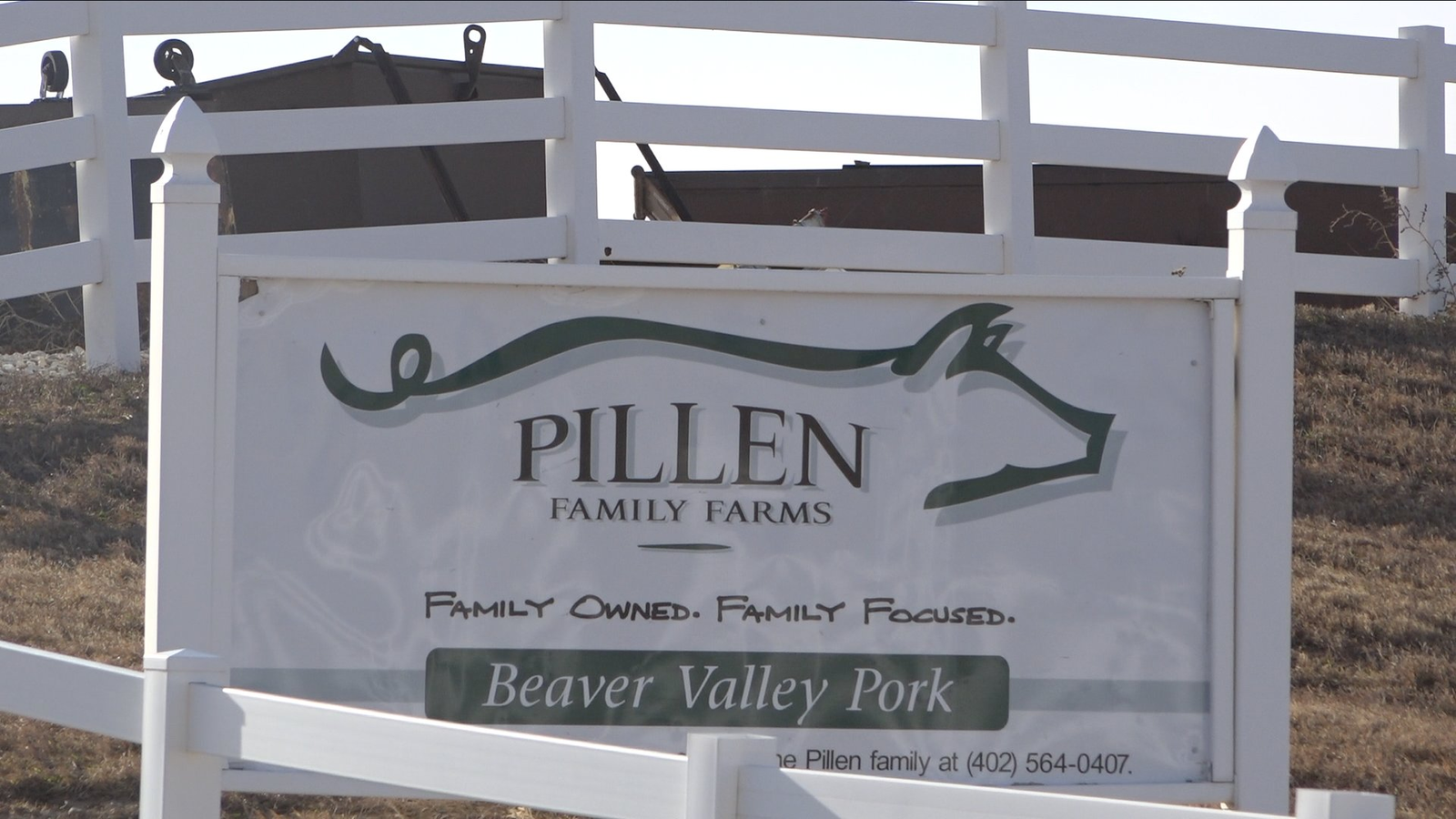
The death of 17-year-old Zach Panther at a Nebraska hog farm has raised persistent questions about workplace safety, investigative transparency, and the limits of regulatory oversight in American agriculture. Found dead on April 1, 2024, at Beaver Valley Pork, a facility owned by Pillen Family Farms, Zach’s death was officially ruled to involve no foul play and no workplace safety violations. Yet nearly a year later, the circumstances surrounding his final hours remain unclear, leaving his family searching for answers and prompting renewed scrutiny of how deaths on large agricultural operations are investigated.
Zach had been working at the hog farm for only a few weeks when he was discovered unresponsive. Beaver Valley Pork is part of a sprawling agribusiness network founded decades ago by Jim Pillen, now the Governor of Nebraska. While authorities concluded that criminal wrongdoing was not involved, a joint investigation by Flatwater Free Press and The New York Times later described the official response as fragmented and incomplete. According to the report, missteps, limited information sharing, and missed investigative opportunities have left key questions unresolved, fueling concern that the truth about what happened may never be fully known.
At the center of the story is not only a teenager’s unexplained death, but also a grieving mother’s effort to understand whether her son’s passing was preventable and whether systemic gaps in oversight contributed to the lack of clarity. The case has become a focal point in a broader debate about labor protections for young workers and the regulatory exemptions long afforded to the agricultural industry.
The death of Zach Panther and the initial investigation
On April 1, 2024, Zach Panther was found dead inside a room on the Beaver Valley Pork property in Boone County, Nebraska. The Boone County Sheriff’s Office responded and later announced that there was no evidence of foul play. Officials did not release extensive details about the condition in which Zach was found or the environmental factors present at the time, citing the absence of criminal indicators.
Zach’s employment at the facility had begun only weeks earlier, making him relatively unfamiliar with the daily operations and potential hazards of an industrial hog farm. Large-scale pork facilities often involve confined spaces, heavy machinery, and exposure to gases produced by manure storage systems. While no official cause tied to workplace conditions was publicly confirmed, the lack of detailed information has left room for speculation and concern.
Flatwater Free Press reported that investigators largely confined their examination to the specific room where Zach was found, rather than conducting a broader assessment of the surrounding property or operational systems. Such limitations, the report suggested, may have prevented investigators from identifying environmental or procedural factors that could have contributed to the teen’s death.
The timeline of reporting also became a point of contention. According to Flatwater’s findings, Sarah Pillen, the governor’s daughter and co-CEO of Pillen Family Farms, notified the Occupational Safety and Health Administration at approximately 6:30 p.m. on the day of Zach’s death. However, the report states that when OSHA dispatched a veteran industrial hygienist to the farm the following day, entry was denied by Pillen representatives and their legal counsel. This refusal, while not necessarily unlawful, curtailed OSHA’s ability to independently assess conditions close to the time of the incident.
Read : British Farmer’s Rolex Watch Eaten by Cow in 1970 Recovered After 50 Years
The Boone County Sheriff’s Office maintained that its investigation met required standards and that there was no indication of criminal conduct. Nevertheless, the absence of a comprehensive, multi-agency examination left lingering doubts about whether all relevant evidence had been collected and evaluated.
OSHA’s findings and the limits of farm safety regulation
OSHA ultimately concluded that there were no workplace safety violations at Beaver Valley Pork related to Zach Panther’s death. For many observers, this determination raised as many questions as it answered. The agency’s authority over agricultural operations is significantly narrower than in other industries, a reality shaped by decades of legislative exemptions and lobbying by powerful farm interests.
Under federal law, many small and medium-sized farms are exempt from routine OSHA inspections, and even large operations benefit from carve-outs that limit enforcement. Practices that would be heavily regulated or prohibited in manufacturing, construction, or mining can legally persist in agricultural settings. Flatwater Free Press noted that the farm lobby has successfully secured exemptions allowing conditions deemed unsafe elsewhere to remain standard in farm operations.
These regulatory constraints mean that OSHA often relies on employer reporting and post-incident investigations that may occur days after an event. In Zach’s case, the inability of OSHA’s industrial hygienist to access the site promptly reduced the agency’s capacity to evaluate transient hazards such as gas accumulation, ventilation conditions, or equipment status at the time of death.
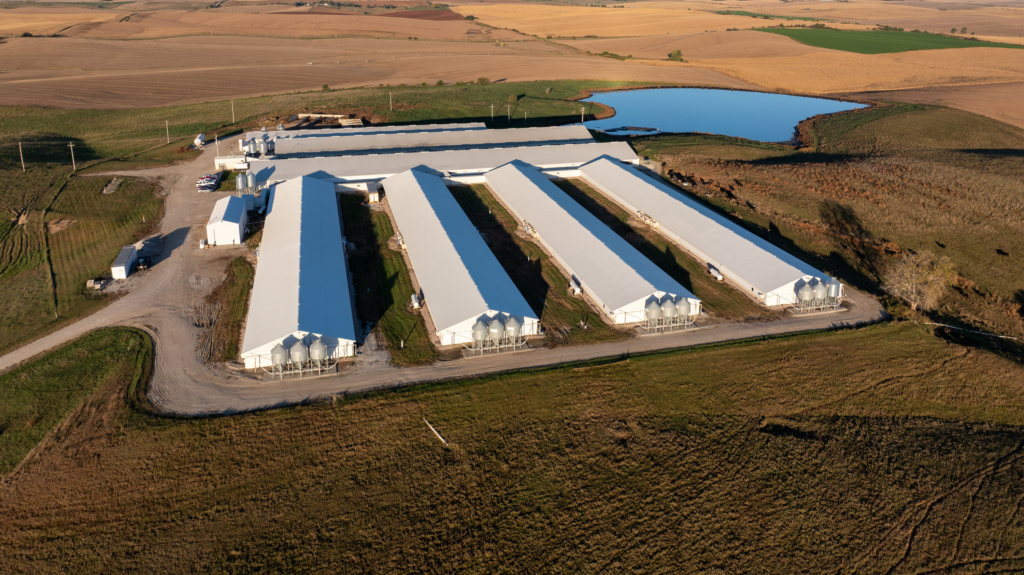
OSHA officials have long acknowledged these limitations, emphasizing that the agency does not possess the same latitude to inspect farms as it does other workplaces. As a result, a finding of no violations does not necessarily equate to a finding that conditions were optimal or risk-free, only that they did not clearly breach existing regulations.
The case has reignited debate over whether current agricultural safety laws adequately protect workers, particularly minors. Teenagers are legally permitted to work in certain farm roles that would be prohibited in other sectors, based on longstanding exemptions rooted in the historical view of farming as a family-based enterprise. Critics argue that modern industrial agriculture bears little resemblance to that model and poses risks more akin to heavy industry.
In this context, Zach Panther’s death has become emblematic of the gap between the scale and complexity of contemporary farming operations and the regulatory frameworks meant to oversee them. The absence of citations or penalties following the investigation has done little to reassure those who believe that existing rules are insufficient.
A mother’s search for answers and broader implications
For Zach’s mother, Justy Riggs-Panther, official conclusions have not brought closure. In interviews with Flatwater Free Press and The New York Times, she spoke openly about the pain of not knowing what happened to her son or whether his death could have been prevented. Her grief has been compounded by the sense that critical questions were never fully addressed.
Riggs-Panther has called for stronger safeguards and clearer investigative procedures to ensure that no other family endures a similar experience. She has emphasized that without a clear understanding of what caused Zach’s death, it is impossible to implement meaningful changes to prevent future tragedies. Her words underscore a central frustration: the gap between official determinations and the lived reality of families seeking accountability.
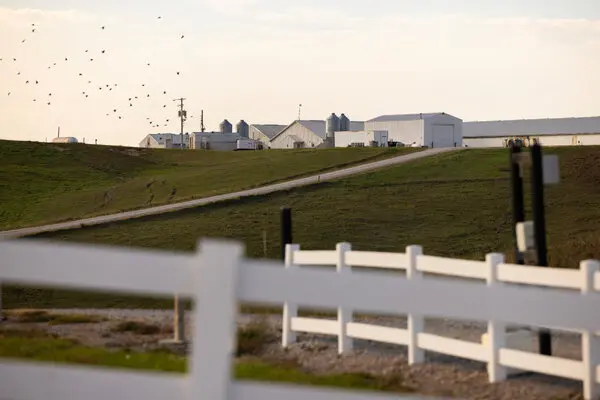
“The idea that maybe it could have been preventable is really intolerable,” she said. “But how do you know what to do to keep it from happening again when you don’t know what happened in the first place?”
Her advocacy has resonated beyond Nebraska, drawing attention to the vulnerabilities of young workers in agriculture nationwide. According to federal data, agriculture remains one of the most dangerous industries in the United States, with higher fatality rates than most other sectors. Young workers, often inexperienced and eager to prove themselves, can be particularly at risk.
The involvement of a company tied to a sitting governor has further amplified public interest in the case. While there is no evidence that political influence altered official findings, the perception of unequal accountability has fueled calls for greater transparency and independent oversight in investigations involving powerful corporate or political entities.
Flatwater Free Press and The New York Times characterized the investigation into Zach’s death as hampered by missteps and missed opportunities, a description that has prompted renewed discussion among policymakers and safety advocates. Some have argued for reforms that would expand OSHA’s authority over large agricultural operations, while others have called for standardized protocols when workplace deaths occur, regardless of industry.
Zach Panther’s death remains officially unexplained beyond the determination that no laws were broken. Yet the unresolved nature of the case continues to challenge assumptions about safety, oversight, and justice in modern agriculture. For his family, the search for answers is not about assigning blame, but about understanding the truth and ensuring that other young workers are not placed in harm’s way without adequate protection or accountability.