
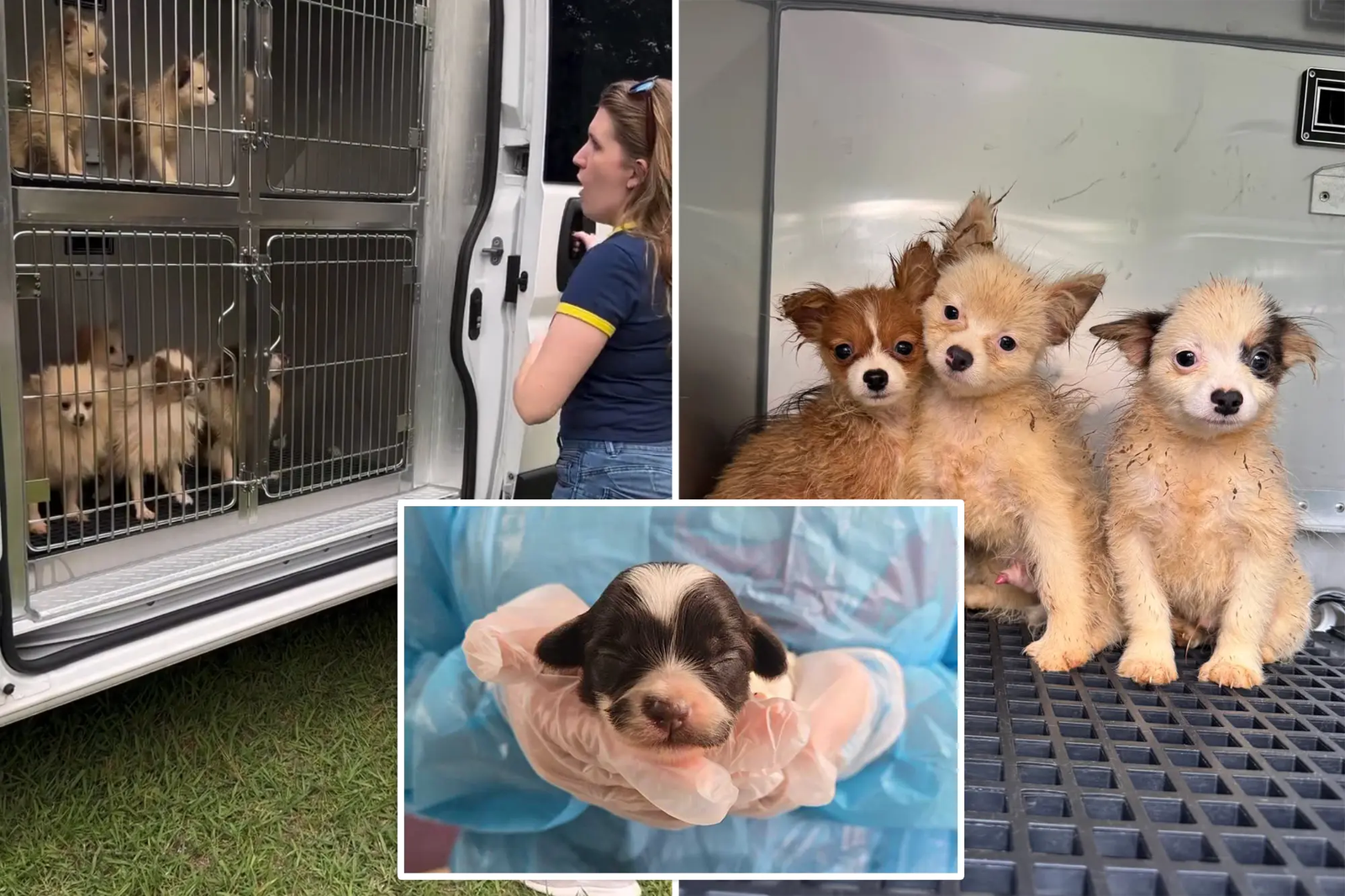
In a harrowing rescue operation, over 101 Dogs Rescued from Deplorable Conditions in what authorities believe to be an illegal puppy mill operating out of a North Carolina residence. The SPCA of Wake County, working closely with Raleigh Animal Control, responded swiftly to the distress call and within hours had removed 101 dogs and 21 chickens from the property near New Bern Avenue and New Hope Road.
The rescue marks one of the most significant and emotionally charged animal welfare actions in the region in recent years. The dogs, which include toy poodle mixes, Pomeranians, Chihuahuas, Yorkies, and other small breeds commonly found in commercial breeding operations, were found in appalling conditions that shocked even seasoned animal rescue workers.
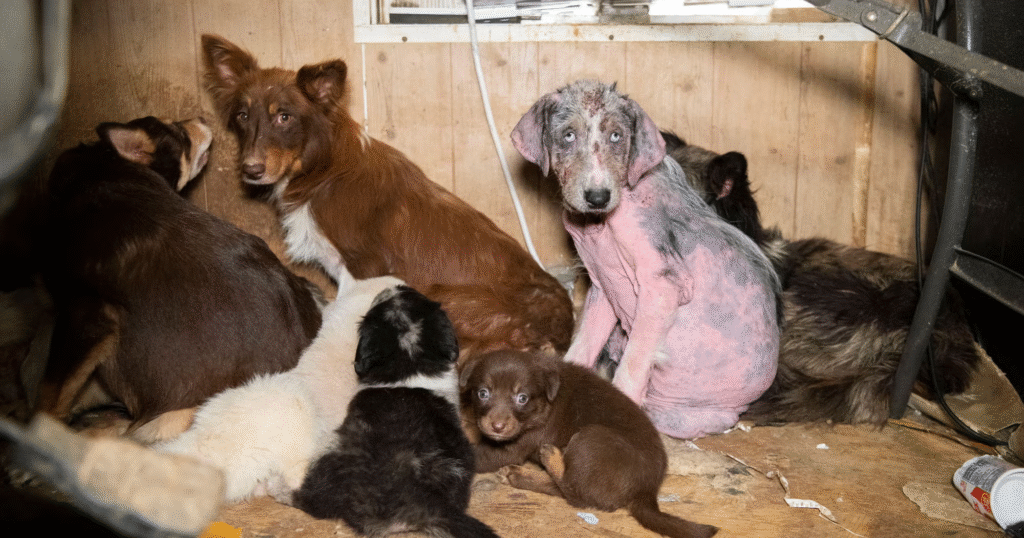
Cages were packed with five to six dogs each, stacked from floor to ceiling. Others roamed freely in extremely cramped, waste-filled rooms, with little to no access to clean air, proper food, or water. These living conditions created an environment rife with health hazards, both for the animals and potentially for humans.
While the full legal implications for the homeowner remain uncertain, the focus now is on the health and recovery of the animals. Each dog is undergoing medical evaluation and treatment for a range of issues, including severe skin conditions, dental decay, and malnutrition. The SPCA’s staff and volunteers are working tirelessly to provide the care, love, and attention these animals have likely never known before.
Egregious Conditions Inside the Puppy Mill
The scenes described by SPCA workers who responded to the call on Wednesday painted a horrifying picture of neglect. Dogs were crammed into wire cages that were caked with filth, with waste piling beneath and around them. The air in the house was thick with the stench of urine and feces, and many dogs had fur so matted that it had begun to restrict their movement and cause sores on their skin.
One particularly disturbing aspect was the number of nursing mother dogs, some of them barely adults themselves, struggling to feed litters of puppies in conditions that would be unfit even for healthy, vaccinated animals. These young mothers were often packed in cages with other dogs, adding to their stress and reducing the chance of survival for their newborns.
Read : Chinese Woman Adopts Stray Dogs To Kill And Eat Them – Disgusting!
Many of the rescued animals were underweight and showed signs of chronic neglect. Their coats were tangled and encrusted with feces, their nails overgrown, and their teeth decayed or infected. The medical team at SPCA Wake has been diligently working to address these urgent issues. So far, treatments have ranged from basic grooming and nail trimming to more serious procedures, such as tooth extractions and treatment for skin infections.
Read : Turkish Government Bill on Euthanasia for Stray Dogs Faces Anger and Criticism
The images released by the SPCA have captured national attention. They show volunteers painstakingly cutting away mats of hair, bathing scared and timid dogs, and offering them their first signs of genuine affection and human kindness. The shelter remarked that “the matted dirty fur is coming off in heaps,” a visual testament to the long-standing neglect these animals endured.
A Race Against Time: SPCA’s Swift Response
What made the rescue even more remarkable was the speed and coordination with which it was carried out. According to a statement from the SPCA of Wake County, they were on-site within an hour of receiving the call. “These events unfolded very quickly. Within an hour of receiving this call for help, we were on the property ready to take as many pets as possible,” the statement read.
Shelter workers, supported by volunteers and members of Raleigh Animal Control, worked tirelessly throughout the day and into the night to remove the animals. Each dog was documented, tagged, and given initial medical assessments before being transported to the SPCA facility or placed in foster care. Their work didn’t end with the rescue; in fact, that’s when the hardest part began—rehabilitating and preparing these dogs for a new life.

The shelter currently has 19 of the most vulnerable dogs in its care, including several mothers and their puppies. These dogs are being treated for their immediate medical concerns and slowly being introduced to environments of trust and safety. Some are already showing signs of transformation, wagging tails and playing gently with toys, actions that were likely foreign to them before the rescue.
Samantha Ranlet, a spokesperson for the SPCA, told CBS 17 that the animals are being cared for around the clock. “The dogs in our care are being medically evaluated and some moved into foster homes … They will be placed up for adoption once they have received veterinary care and recuperated,” she said. The shelter is determined to give each dog a fresh start, one where they are cherished members of loving families instead of commodities for profit.
Healing, Hope, and the Road to Adoption
Perhaps the most uplifting aspect of this story is not the rescue itself, but the healing and hope that have begun to bloom in the aftermath. While the physical wounds of the rescued dogs will take time to heal, the emotional trauma is more delicate and complex. Many of the animals are skittish, shy, or reactive due to the lack of socialization and the harsh environment they endured.
Still, progress is already evident. SPCA Wake has reported that they’re seeing more wagging tails, curious sniffs, and even some smiles. The transformation is slow, but it’s happening. Shelter staff are using gentle handling, positive reinforcement, and quiet environments to help the dogs acclimate to their new surroundings.
Several of the healthier dogs have already been placed in foster homes, where they can continue to recover in a loving and low-stress environment. These foster placements are critical, not only for the dogs’ psychological healing but also for freeing up space at the shelter for ongoing veterinary care and future rescues.
The public’s response to the rescue has been overwhelmingly positive. Donations, supplies, and offers to foster or adopt have poured in, reflecting a community united in its outrage over the abuse and its commitment to offering these animals a better life. “This rescue is a big undertaking, and we can’t do it without you,” the SPCA stated in a social media post, expressing gratitude for the outpouring of support.
While the dogs are now safe, the incident raises serious questions about the prevalence and oversight of puppy mills in the United States. Such operations often function under the radar, exploiting legal loopholes and preying on the demand for designer dogs and puppies sold online or in pet stores. This case highlights the urgent need for stricter regulations, better enforcement, and public awareness about the dangers of supporting unethical breeders.
It is not yet known whether the homeowner will face charges related to the operation. Authorities have described the individual as “cooperative,” but the legal outcome remains pending. Regardless, the focus for now remains on the victims—the 101 dogs and 21 chickens who were finally given a chance to live a life filled with love, care, and dignity.
The story of these rescued dogs is one of immense suffering, but also of resilience and hope. With the dedication of SPCA Wake, the compassion of foster families, and the support of the community, these dogs are finally on the path to the lives they deserve.