
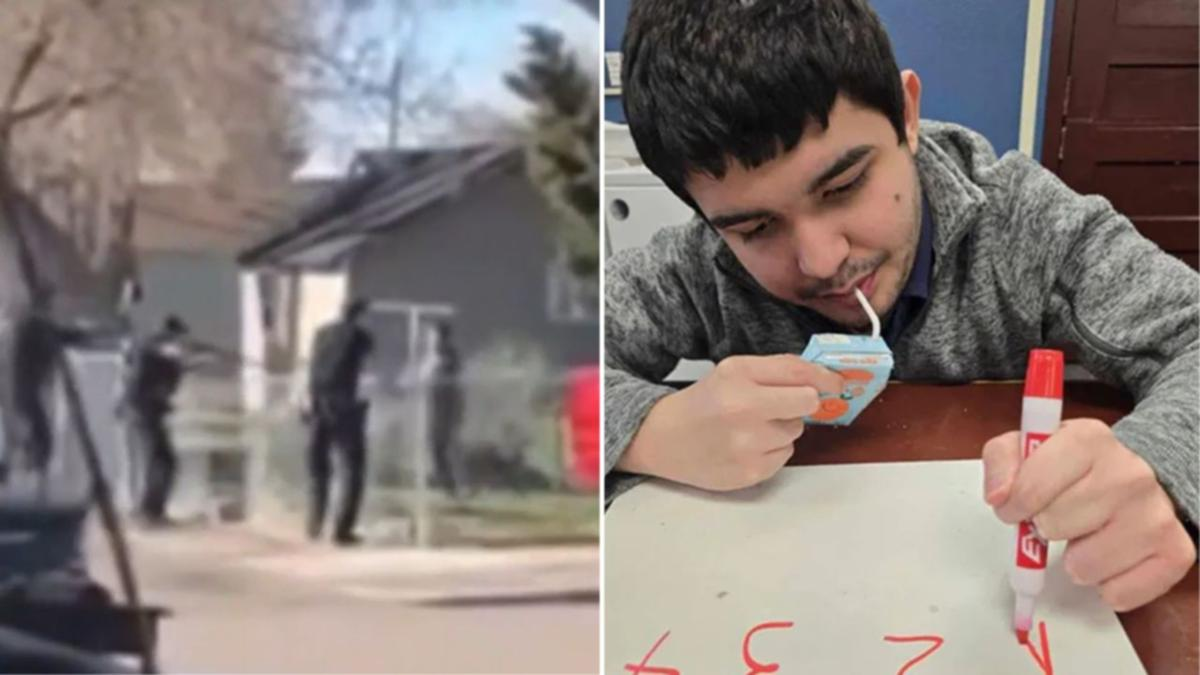
A tragic incident unfolded in the quiet town of Pocatello, Idaho, where a 17-year-old autistic teen named Victor Perez was shot by police and later declared brain-dead.
The shooting, which occurred during a family barbecue, has sparked public outcry and renewed conversations around police training, mental health awareness, and the use of force against individuals with disabilities. Victor, who also lived with cerebral palsy, had his life tragically cut short in an encounter that lasted less than 20 seconds.
A Family Barbecue Turns Into a Tragedy
On April 5, Victor Perez was attending a family barbecue in the backyard of a home in Pocatello when the situation escalated tragically. According to his aunt, Ana Vazquez, Victor had discovered a hidden kitchen knife. His sister attempted to take it away from him.
Vazquez insists that at no point did Victor Perez pose a threat to the family or act aggressively toward them. Nonetheless, someone who saw the scene unfolding called 911, reporting that a man appeared intoxicated and was wielding a knife.
In the 911 call, the caller reported seeing a man chasing others with a knife and even mentioned the possibility that he had stabbed himself. Though the family insists Victor was not a danger, this report led to a rapid and aggressive response from the Pocatello Police Department. Officers arrived on the scene and within moments began shouting commands at Victor, demanding that he drop the knife and get on the ground.
Video footage of the incident reveals the alarming speed with which events unfolded. Four officers rushed to the scene, positioned themselves at a chain-link fence, drew their weapons, and began yelling orders. Victor Perez, appearing confused and startled, stood up and began walking toward them — at which point officers opened fire. He was shot nine times.
Read : 17-Year-Old Autistic Teen Shot Nine Times by Police in Idaho
The entire sequence, from the officers’ arrival to the shots being fired, happened in under 20 seconds. This has raised serious concerns about how law enforcement handles situations involving people with developmental disabilities, particularly in moments that demand sensitivity and understanding.
Conflicting Accounts and a Community in Mourning
The Pocatello Police Department maintains that the shooting was necessary. According to Police Chief Roger Schei, the officers gave Victor Perez repeated commands to drop the knife, but he did not comply. Schei emphasized that two people were within feet of the armed teenager, and officers believed the risk was immediate. “The situation was rapidly evolving,” he said at a press conference.
However, the family, eyewitnesses, and members of the public dispute this narrative. Ana Vazquez, Victor’s aunt, was clear that no family member felt threatened. She described her nephew as non-verbal and autistic, with additional cognitive and motor challenges due to cerebral palsy. He was never a violent individual, she said, and needed assistance and understanding — not force.
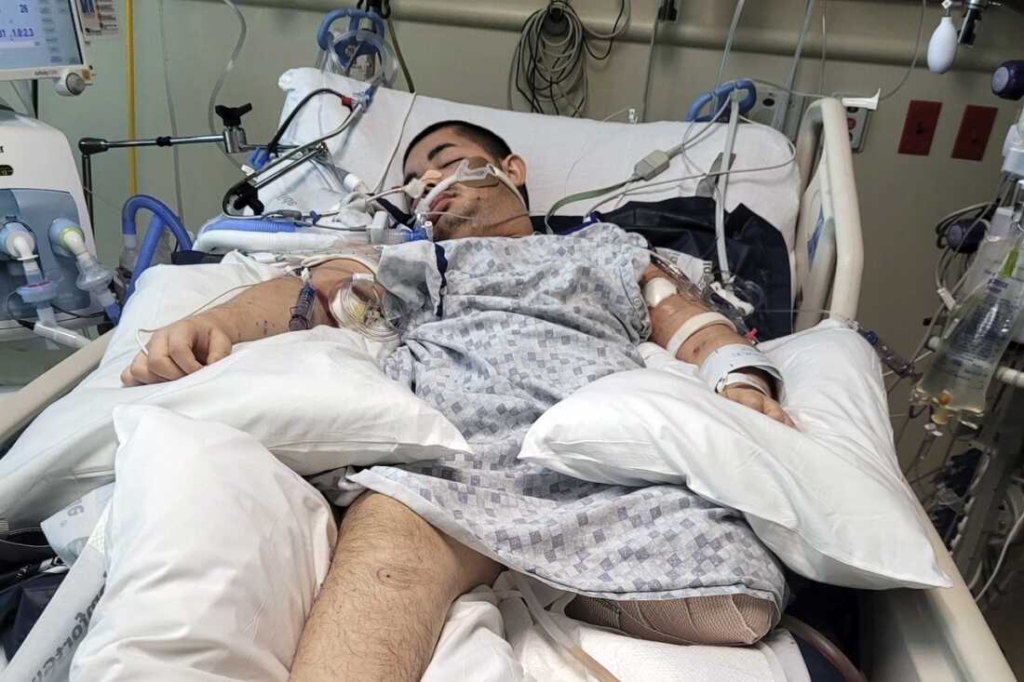
A bystander, Brad Andres, who recorded the incident, said that police “appeared to be like a death squad or a firing squad.” His account suggests that the officers did not take a moment to assess the situation or ask what was happening before opening fire.
Read : Chinese Teen Diagnosed with ‘Love Brain’ after Calling Boyfriend Hundreds of Times Daily
“They never once asked, ‘What is the situation, how can we help?’ They ran up with their guns drawn,” he told the Associated Press. “They triggered a mentally disabled person to react and when he reacted … they shot him.”
Victor’s family says he was not under the influence of any substance and did not attack anyone. Instead, they believe that the presence of armed police, shouting commands at a developmentally disabled teen who may not have understood or processed what was happening, caused panic and confusion — culminating in his tragic death.
Aftermath and Calls for Justice
After Victor Perez was shot, officers did attempt what they called “life-saving measures” before rushing him to Portneuf Medical Center by ambulance. However, the damage had already been done. After being on life support for several days, Victor was declared brain-dead on April 12, and his family has confirmed that he has since passed away.
In the wake of the shooting, the four officers involved have been placed on administrative leave, and the East Idaho Critical Incident Task Force has launched an investigation into the incident. The city’s mayor, Brian Blad, issued a statement extending condolences to the family, saying, “We recognize the pain and grief this incident has caused in our community.” But for many, these words are cold comfort.
Victor Perez’s death has ignited calls for police reform, particularly in how officers are trained to interact with neurodivergent individuals and people with mental or developmental disabilities. Advocates argue that incidents like this reveal a systemic failure — a lack of mental health crisis training, poor judgment in high-stress situations, and an over-reliance on force instead of de-escalation.
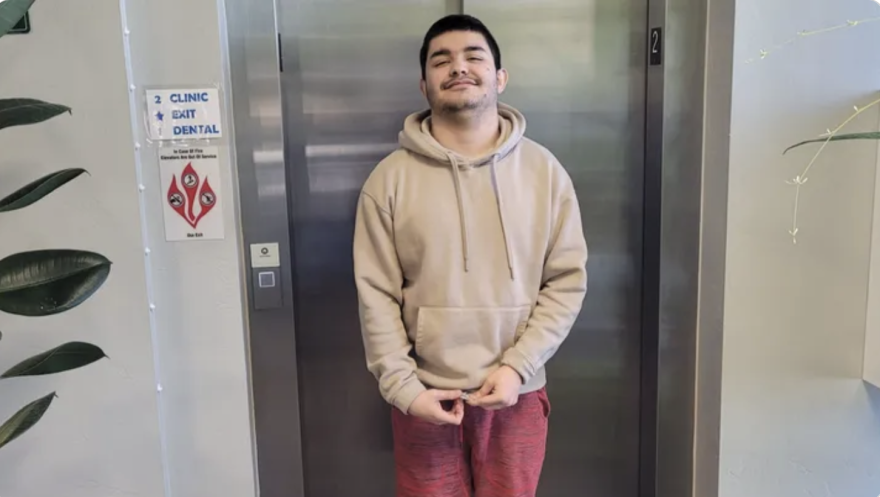
Across the country, this is not the first time a person with autism or mental health issues has been fatally shot by police. These repeated tragedies are shining a harsh light on law enforcement practices and prompting demands for meaningful change. Critics say that departments should be required to implement training programs that prepare officers to recognize and respond appropriately to individuals with special needs.
Some states have begun to incorporate crisis intervention teams or mental health professionals into emergency response teams. These models have proven effective in reducing fatal encounters, especially in scenarios involving developmental disabilities. Advocates hope that Victor Perez’s death will serve as a wake-up call to lawmakers and police departments nationwide.
The Perez family, devastated by the loss of a son, nephew, and brother, is now left with only memories and unanswered questions. They continue to demand a thorough investigation and full transparency from authorities.
Meanwhile, the local community has organized vigils and support campaigns to remember Victor and to push for reforms that could prevent future tragedies.
Victor Perez’s story has become a painful reminder of the vulnerability of marginalized individuals in encounters with law enforcement. A boy who lived with multiple challenges, surrounded by family at what should have been a safe gathering, was met not with care or patience but with fatal force.
His death marks a heartbreaking chapter not only for his loved ones but also for a community grappling with the broader issues of disability justice, police accountability, and the human cost of institutional failure.