
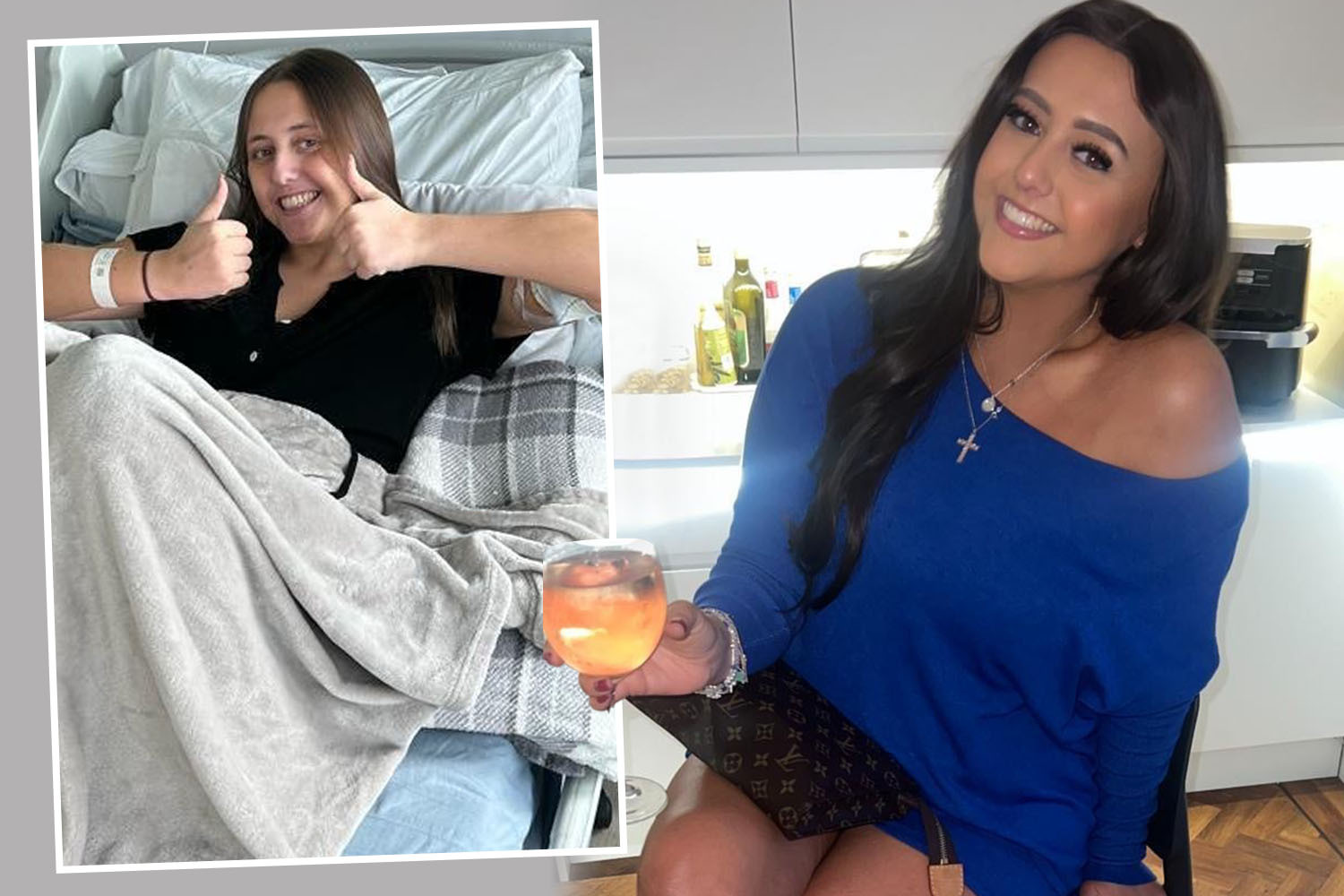
Isobel Allen, a bright and energetic young woman from Hornchurch, Essex, lost her life to sarcoma cancer at just 21 years old after her early symptoms were repeatedly dismissed by medical professionals. Her story, as told by her devastated family, has sparked a deeper conversation about misdiagnosis, the neglect of young women’s health concerns, and the urgent need for improved early cancer detection.
Isobel Allen had her entire life ahead of her. She was working as an accounts manager, spending time with friends, and enjoying her youth. But behind the smiles and selfies, she was battling mysterious pain that was slowly consuming her.
What started as painful periods and bleeding between cycles quickly evolved into something far more sinister—yet doctors continued to tell her that it was nothing serious. “Just take ibuprofen,” they said. But it wasn’t just menstrual pain. It was cancer.
Early Warning Signs Ignored
Isobel Allen’s journey with sarcoma began in late 2022 when she started experiencing severe period pain and spotting. Despite visiting her GP multiple times, she was told her symptoms were likely due to fibroids—benign growths in the womb. The GP appeared dismissive, and when Isobel cried out of fear, her concerns were shrugged off. Her mother, Sarah, recalls how even then she felt something wasn’t right, but like many parents, she trusted the judgment of the professionals.
By early 2023, the pain worsened. Isobel could hardly walk and would take hot baths in the middle of the night just to soothe the agony. Painkillers barely made a difference. Still, the advice from medical staff remained the same—ibuprofen and rest. On two separate occasions, Sarah took her daughter to A&E, where more ultrasounds were conducted.
Read : Painless Boil on Tongue Turned Out to Be Stage 4 Cancer for 56-Year-Old Keith Giffney
Yet no serious concerns were raised. What the family didn’t know then was that they were racing against time. Isobel’s cancer had already begun spreading.
Read : Targeted Cancer Medicine Can Cure Aggressive Cases in Kids: Study
It wasn’t until they decided to seek private help and spent £500 on an MRI scan that the truth started to come out. The scan revealed a tumour in her womb, not a fibroid. The family was told to “prepare themselves.” The diagnosis was uterine sarcoma, an aggressive and rare cancer. The revelation came too late—cancer had already spread to her lungs, kidneys, and hips.
A Relentless Fight and a Tragic End
After receiving the devastating diagnosis in May 2023, Isobel Allen began chemotherapy. It wasn’t curative; it was palliative—to extend her time. She was just 19 years old when she was told she would not survive this disease. Her world turned upside down, but her spirit did not break.
Throughout her treatment, Isobel Allen fought hard to maintain a sense of normalcy. She continued working part-time and commuting to London. Her friends, deeply supportive, scheduled meetups around her chemo sessions so she could still feel part of their world. She would arrive at the hospital in a full face of makeup, donning a new outfit each time, determined not to let cancer define her.
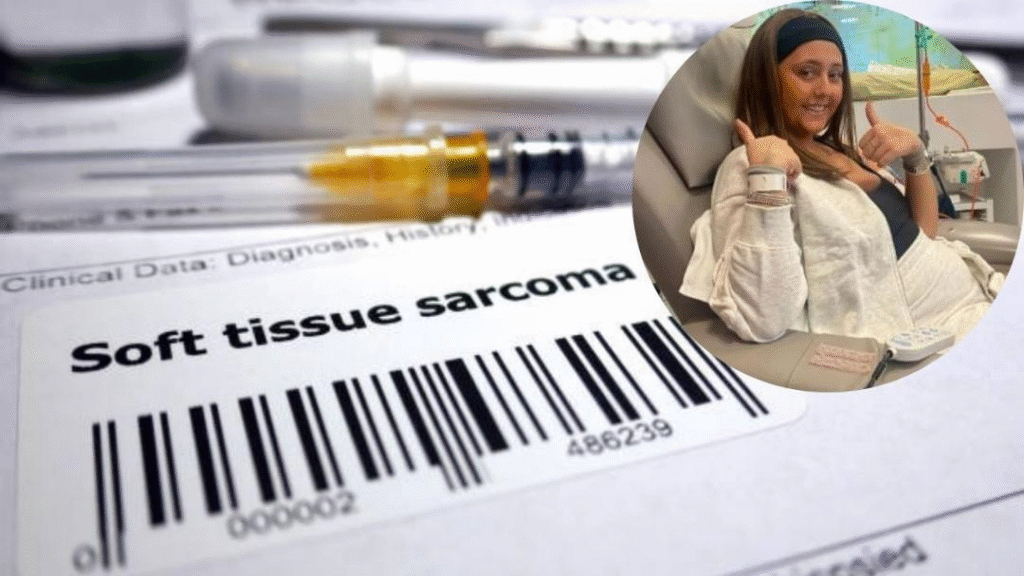
Still, the battle was relentless. Over 40 days in hospital, scans revealed that tumors had spread further. There was little compassion in the delivery of this news. Sarah recalls how Isobel was simply told she had cancer and it had spread. No one held her hand. No soft words were spoken. It was clinical, detached.
Despite everything, Isobel continued to plan her life. She wanted to go on a holiday to Spain. She ordered clothes online just two days before her death. Even when fluid in her lungs turned out to be yet another tumour, she told her sobbing mother, “Come on, mummy, it is what it is.” Isobel was the one comforting others, protecting them from the weight of her own pain.
She spent her last hours at home with her family in the living room. They made up a bed on the couch for her, and they all slept there together. On April 2, 2025, at 2:50 PM, Isobel passed away.
Her Legacy: Awareness, Fundraising, and Unanswered Questions
Isobel Allen’s story is a heartbreaking reminder of the risks that come with delayed diagnosis. Her family was forced to pay for the scan that revealed her cancer—a scan that would have taken six months through the NHS. By then, it would have been far too late, as it already was.
Her mother, Sarah, reflects on the profound sense of betrayal. “You believe the medical professionals,” she says. But those professionals didn’t believe her daughter. They wrote her off as a melodramatic teenager. They told her not to worry. They dismissed her tears.
Isobel Allen’s death is not just a personal loss. It is a public tragedy. Before she died, Isobel took action. Disturbed by the lack of awareness and the dismal survival rates, she organised a charity ball and raised £13,000 for Sarcoma UK. Her brother, Josh, continued her mission by running the London Marathon, raising another £27,000. Her friends plan to participate in Race For Life this July.

At her funeral, her father said, “I never thought I’d have to worry about Isobel. She was confident, outgoing, and had everything going for her.” But he was wrong—not because of who she was, but because of a medical system that failed her.
Isobel’s strength inspired others. Patients she met during her treatment said she gave them hope. Nurses and doctors remembered her for her positivity and her resilience. One young woman who rang the end-of-treatment bell said, “Isobel changed my life.”
Toward the end of her life, Isobel Allen got a tattoo that read “Go Live Life.” It was her motto, and she lived by it as best she could. Still, her story raises many questions. Why weren’t her symptoms taken seriously? Why did she have to go private to get answers? Why is it that so many young women report being dismissed when they present with severe symptoms?
Isobel Allen’s family is calling for change. They want medical professionals to listen more closely to young patients, to consider serious diagnoses earlier, and to show greater compassion. They don’t want any other family to go through what they endured.
The spokesperson for The London Independent Hospital said it would be “inappropriate” to discuss individual cases but offered their “deepest condolences.” For the Allens, that’s not enough. Their daughter is gone. And they know in their hearts that if she had been listened to—truly listened to—she might still be here.
Isobel Allen was taken too soon. Her story should never be repeated.