
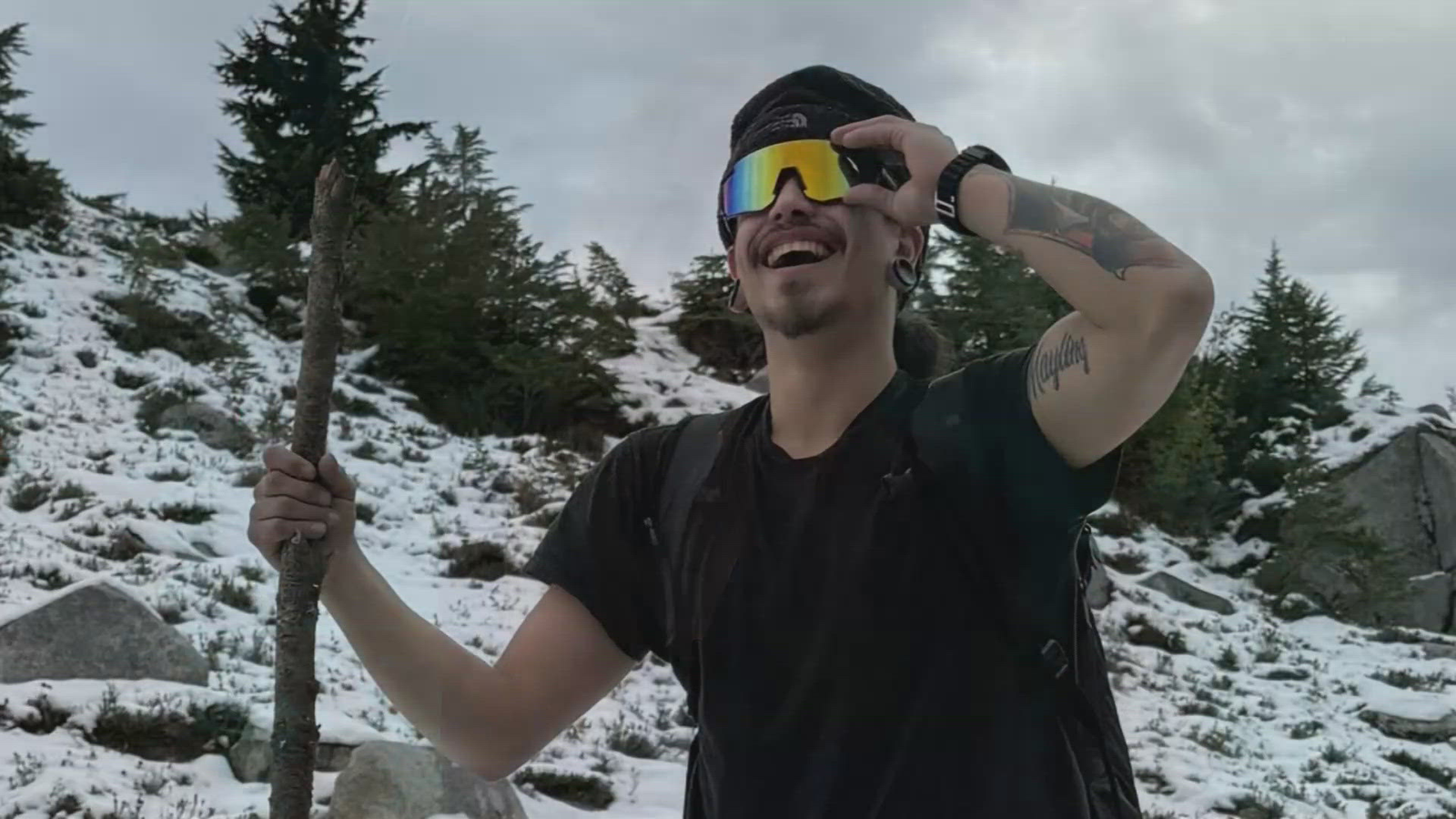
A 27-year-old snowboarder, identified by authorities as Marco Antonio Perez Canals, died Thursday following a fatal accident at Stevens Pass Ski Area in Washington state. According to the King County Sheriff’s Office, Perez Canals crashed headfirst into a snow-covered creek well while snowboarding, leading to suffocation. The incident underscores the hidden dangers that can exist on ski slopes even during routine recreational activity, particularly when natural terrain features are concealed by deep snow.
Emergency responders and ski patrol personnel made extensive efforts to save him, but those efforts were ultimately unsuccessful. Officials confirmed that there was no indication of foul play and that the death was accidental in nature. The incident occurred around midday, a time when ski areas are typically busy with visitors.
Perez Canals was accompanied by another person at the time of the crash, and a bystander also became involved in the rescue attempt. Despite immediate action and rapid notification of ski patrol, the severity of the situation proved overwhelming. The King County Medical Examiner’s Office later ruled the cause of death as suffocation, a tragic outcome associated with a specific and often misunderstood mountain hazard known as a creek well.
Details of the Accident and Emergency Response
According to information released by the King County Sheriff’s Office, Marco Antonio Perez Canals was snowboarding at Stevens Pass when he crashed headfirst into what was described as a snow-covered creek well. Creek wells form when flowing water beneath the snow creates a cavity or void, leaving what appears to be stable snow on the surface but concealing a deep and unstable hollow underneath. When a person falls into such a space, the surrounding snow can collapse inward, trapping the individual and making self-rescue extremely difficult or impossible.
A person who was snowboarding with Perez Canals and a nearby bystander attempted to rescue him from the deep snow immediately after the crash. Realizing the seriousness of the situation, they contacted ski patrol at approximately noon. Ski patrol members responded quickly, initiating lifesaving measures directly on the slope. Despite these efforts, Perez Canals remained unresponsive.
Ski patrol transported him to an on-site aid room, where a deputy from the King County Sheriff’s Office responded and assisted as cardiopulmonary resuscitation continued. Emergency responders worked to revive him, but he was pronounced dead despite sustained lifesaving attempts. The medical examiner later confirmed that the cause of death was suffocation, consistent with the circumstances described at the scene.
Read : Kiwi Wonders: Exploring New Zealand’s Top Natural Attractions
In an email statement, a spokesperson for the King County Sheriff’s Office said that the deputy investigating the incident learned Perez Canals had crashed headfirst into a snow-covered creek well while snowboarding at the ski area. The spokesperson emphasized that there was no indication the death was anything other than accidental. Authorities did not report any equipment malfunction or rule violations contributing to the crash.
Understanding Creek Wells and Mountain Terrain Risks
Creek wells are a lesser-known but serious hazard in snow-covered mountain environments. They occur when creeks or streams continue to flow beneath the snowpack during winter, preventing snow from fully compacting over the water. Over time, this creates a void beneath the surface that may be hidden by a thin layer of snow. To a snowboarder or skier, the area can appear no different from the surrounding terrain, making it particularly dangerous.
Read : Skier Dies After Falling From Chairlift at Red Lodge Mountain Resort
When a person falls into a creek well, especially headfirst, the loose snow can collapse around them. The weight of the snow, combined with the awkward orientation of the body, often makes it extremely difficult to breathe or move. Suffocation can occur rapidly, even if the individual is wearing appropriate winter gear. Rescue can be complicated by the depth of the snow, limited visibility of the void, and the urgency required to free the trapped person.

Mountain safety experts frequently warn that hazards like creek wells, tree wells, and other snow-covered voids are more likely to form after heavy snowfall. While ski resorts mark many known hazards and work continuously to manage terrain, natural features can still pose risks, particularly in off-piste areas or near the edges of groomed runs. Even experienced snowboarders and skiers can be caught off guard.
Stevens Pass, like many major ski areas, includes varied terrain that appeals to riders of different skill levels. While the resort maintains safety protocols and patrols, it also operates within a natural alpine environment where conditions can change rapidly. Snow accumulation, temperature fluctuations, and underlying geography all contribute to the formation of hidden dangers that may not be immediately apparent.
Official Statements and Community Response
Following the incident, officials at Stevens Pass expressed condolences to the family of Perez Canals. Ellen Galbraith, vice president and general manager at Stevens Pass, released a statement on behalf of the resort’s staff, extending sympathies to his loved ones. The statement reflected the impact such incidents have not only on families but also on resort employees and the wider skiing and snowboarding community.

Fatal accidents on ski slopes are relatively rare, but when they occur, they resonate deeply with both local communities and winter sports enthusiasts. Resorts often review incidents carefully, working with authorities to understand what happened and whether any additional safety measures or awareness efforts could help reduce future risks. In this case, law enforcement officials made clear that the incident was accidental, and no immediate changes to resort operations were announced.
The death of a young snowboarder also highlights the importance of education and awareness around mountain hazards. While helmets and other protective equipment are effective in reducing certain types of injuries, they cannot fully protect against environmental dangers such as suffocation in deep snow. Safety organizations frequently encourage riders to stay within marked runs, ride with companions, and remain alert to changing snow conditions.
Perez Canals’ death serves as a sobering reminder of how quickly conditions can turn dangerous in alpine settings. Despite the presence of ski patrol and emergency resources, accidents involving suffocation often leave very little time for successful rescue. The swift response by bystanders and patrol members illustrates the seriousness with which such emergencies are treated, even when outcomes are tragic.
As authorities conclude their investigation, the focus remains on honoring the life lost and supporting those affected. The King County Sheriff’s Office and the medical examiner’s findings provide clarity about the cause and circumstances of death, confirming that it was a tragic accident rather than the result of negligence or criminal activity. For the broader public, the incident reinforces the reality that winter sports, while widely enjoyed, carry inherent risks that demand constant caution and respect for the mountain environment.
Pretty! This was a really wonderful post. Thank you for your provided information.