
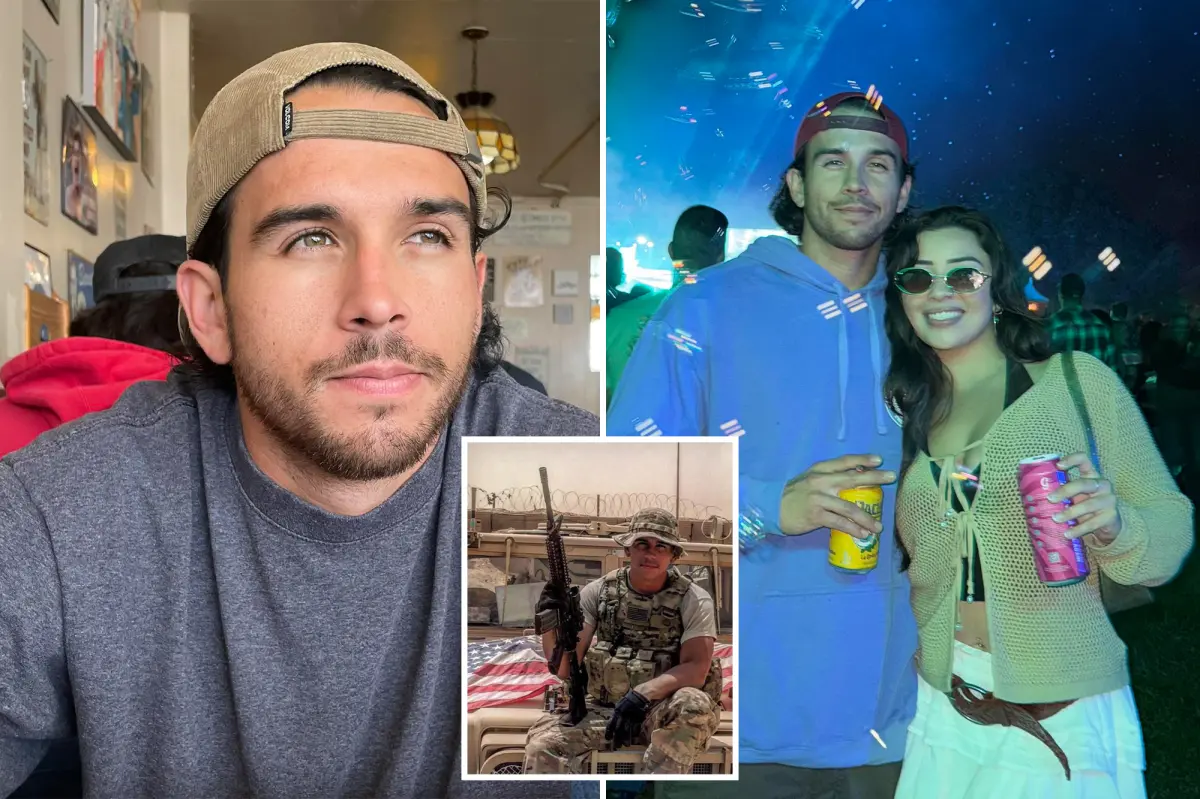
The sudden death of 28-year-old US Army veteran Scottie Williams during the Silver Strand Veterans Day Half Marathon in San Diego has shaken his family, the running community, and many who knew him as a resilient young man rebuilding his life after years of service. Scottie Williams, who had served in Korea and Syria and had been honourably discharged just last year, collapsed near a water station shortly after crossing the finish line as his girlfriend watched on.
Despite immediate medical assistance, including CPR, he could not be revived, leaving behind unanswered questions and a grieving family that is still trying to grasp the loss of someone they described as healthy, athletic, and determined to start a new chapter in life. Williams’ story, encompassing military service, a personal battle with PTSD, recovery, and hopes for a future with the woman he loved, adds a deeply emotional dimension to a tragedy that unfolded on a day meant to honour veterans.
His mother, Katherine Yglesias-Herrera, shared that her son had recently spoken about secretly planning to marry his girlfriend, highlighting how abruptly his aspirations were cut short. As his family now works to raise funds for his funeral, the incident has sparked broader conversations about the health challenges veterans face even after leaving active duty, as well as the risks associated with endurance sports for those with underlying conditions that may go unnoticed.
A Sudden Collapse During a Celebratory Moment
The Silver Strand Veterans Day Half Marathon, held annually in honour of those who have served the nation, is a popular event that draws runners from across the region. For Scottie Williams, participating in the marathon was part of an active lifestyle he maintained following his military discharge. According to reports, he appeared strong and composed as he approached the finish line, where his girlfriend stood waiting to cheer him on. Moments after crossing, however, he collapsed near a water station, stunning onlookers and prompting immediate intervention from event medical personnel.
Witnesses reported that responders acted swiftly, administering CPR and attempting to revive him as runners and spectators looked on in shock. Despite these efforts, Scottie Williams did not regain a pulse. The abruptness of the incident has left family and friends grappling with the idea that someone who seemed physically fit and determined could succumb so suddenly during what should have been a triumphant moment.
Read : Guardians Beneath the Earth: The Enigmatic Terracotta Army of China
His mother expressed disbelief upon learning of his death, describing how her son had always been strong and athletic. The notion that a healthy 28-year-old could collapse without warning has raised concerns that perhaps lingering physical or psychological effects from his military service played a role, though officials have not publicly confirmed any specific cause.
A Military Journey Marked by Service and Struggle
Scottie Williams’ journey in the US Army began early. At just 17, shortly after completing school in 2015, he enlisted and embarked on a career that took him to various postings, including Korea and Syria. His role as a driver responsible for transporting equipment and troops placed him consistently in demanding and high-pressure situations. These years, while shaping him into a disciplined and committed soldier, also exposed him to circumstances that would eventually leave a deep psychological impact.
Upon returning from Syria, Scottie Williams acknowledged to his mother that he was experiencing symptoms of PTSD. The emotional toll of witnessing and participating in military operations can manifest long after active duty ends, and in his case, the Department of Veterans Affairs classified him as 80% disabled due to PTSD. This rating indicated a severe level of impact on his daily functioning, yet those close to him say he fought earnestly to overcome it.
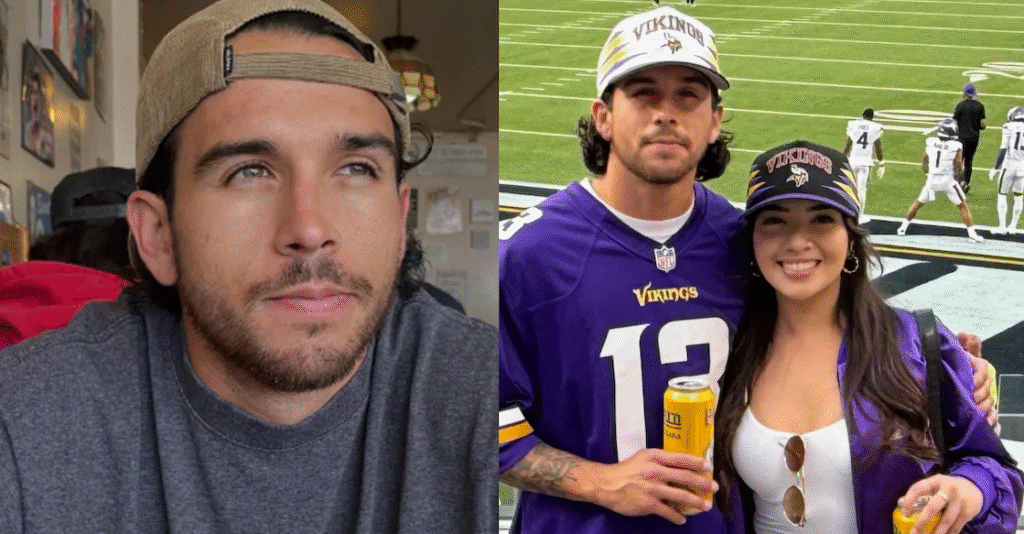
Reports suggest that in the years following his discharge in 2023, Scottie Williams made remarkable progress in managing his mental health challenges. Friends and family described him as someone who had found moments of joy again and who was working to rebuild his life with a sense of purpose. His girlfriend played a significant role in this renewed happiness, and he reportedly told his mother that he hoped to marry her discreetly in the near future. These ambitions make his unexpected passing even more heartrending for those who had witnessed his journey from trauma toward healing.
Former colleagues and fellow veterans have also expressed sorrow over his death, recalling him as a dependable and resilient soldier who carried out his duties with dedication. His story reflects the broader experience of many veterans who navigate a complex blend of physical health, psychological recovery, and future aspirations as they transition back into civilian life.
Family Grief, Community Support, and Unanswered Questions
As Williams’ family confronts the sudden loss, they have turned to community support to help cover funeral expenses. By Friday night, the fundraising effort had gathered $20,448 toward a $26,000 goal. Contributions have come not only from friends and relatives but also from strangers moved by the young veteran’s story. The response reflects the compassion extended to military families facing tragedy, particularly when the circumstances involve service-related challenges that continue beyond active duty.
Scottie Williams’ mother has spoken openly about her struggle to understand how her son, who had seemed so full of life and intention, could be taken so abruptly. The collision of grief, confusion, and the painful irony of the moment—collapsing just as his girlfriend celebrated his finish—has made the loss even harder to process. For a parent who had watched him confront PTSD and work toward reclaiming joy, this outcome feels especially cruel.
Medical professionals note that sudden collapse during endurance events, while uncommon, does occur and can be linked to various underlying factors including cardiac abnormalities, heat-related illness, or exertional stress. However, without official details on Scottie Williams’ cause of death, speculation offers little comfort to those mourning him. His family, focused now on honouring his memory, has not indicated whether they plan to seek further medical clarification.

The broader veteran community has taken particular interest in the tragedy, highlighting the need for continued attention to both mental and physical health risks that may affect service members long after their duties end. Stories like Scottie Williams’ underscore that even young, athletic individuals may face unseen vulnerabilities, especially when layered with the emotional strain of combat exposure.
Supporters who have shared messages on fundraising platforms and social media have emphasized his dedication to service, his courage in confronting PTSD, and the promise he showed in building a new life. Many have expressed that the loss of such a young veteran resonates deeply at a time when conversations about veterans’ health, including both mental and medical frameworks, are increasingly urgent.
Scottie Williams’ planned future with his girlfriend adds another dimension to the sorrow felt by those who knew him. The dreams he had articulated—of marriage, stability, and a fulfilled life—remain unfulfilled, leaving those close to him with memories of his determination and hope rather than the milestones he envisioned.
As the family continues to receive donations and condolences, they remain focused on arranging a funeral that honours his service and his character. For many, Williams’ story stands as a powerful reminder of the sacrifices made by service members, the challenges they carry with them, and the fragility of life even for those who appear strong and resilient on the surface.
His death during a marathon dedicated to veterans has further heightened the emotional resonance of the incident, illustrating how intertwined his identity as a soldier was with his personal pursuits and aspirations. While the unanswered questions may persist, the tributes and support emerging in the wake of his passing reflect the respect and empathy extended toward a young man who served his country and sought to rebuild his life with courage and hope.
Một trò rất được yêu thích tại xn88 win là bắn cá đổi thưởng. Với đồ họa đẹp mắt và lối chơi đơn giản, có thể thư giãn kiếm tiền thưởng thông qua việc săn các loài cá trong game. Nền tảng đã cung cấp nhiều phiên bản bắn cá khác nhau, mỗi phiên bản đều có mức thưởng thử thách riêng, đảm bảo sự phong phú không nhàm chán. TONY03-11O