

In 2022, Emily Morton, a 28-year-old woman from Australia, was filled with hope and excitement for the future. Having recently married her husband Andy, the couple was eager to embark on the next chapter of their lives, dreaming of starting a family.
However, their happiness was soon overshadowed by a mysterious and debilitating condition that would upend Emily’s life, leaving her in excruciating pain and desperately searching for answers.
The Sudden Onset of Unexplained Pain
Emily’s ordeal began innocuously with a nagging ache in her teeth. Initially, she believed it to be a routine dental issue. A visit to the dentist provided no clear diagnosis, as there appeared to be no dental problems causing the pain.
But within days, the discomfort escalated, spreading across her mouth and both sides of her face. The pain became unrelenting and unbearable, described by Emily as akin to having a dentist drill into every tooth simultaneously.
Adding to the distress was the nature of the pain itself. Emily Morton began experiencing electric shock-like sensations that coursed through her face, triggered by even the slightest touch. Talking, smiling, eating—simple, everyday actions—became agonizing. Her condition left her bewildered and desperate for relief.
A Life-Altering Diagnosis
After enduring months of relentless suffering and undergoing numerous brain scans and blood tests, Emily was finally diagnosed with atypical trigeminal neuralgia.
Read : New ‘X’ Disease Can Be Deadlier Pandemic Than COVID-19: WHO
This rare neurological disorder is a variant of classic trigeminal neuralgia, which is often referred to as the “most painful condition known to medicine.” The disorder affects the trigeminal nerve, which is responsible for transmitting sensory information from the face to the brain.
Read : once-deadliest diseases that have been completely eradicated
Unlike classic trigeminal neuralgia, which typically impacts one side of the face, Emily’s case was even more severe as it affected both sides. This rare presentation intensified her suffering, making daily life nearly impossible to endure.
“It feels like being struck by lightning,” Emily described, “There are no words to convey this level of pain. It takes over your entire existence.”
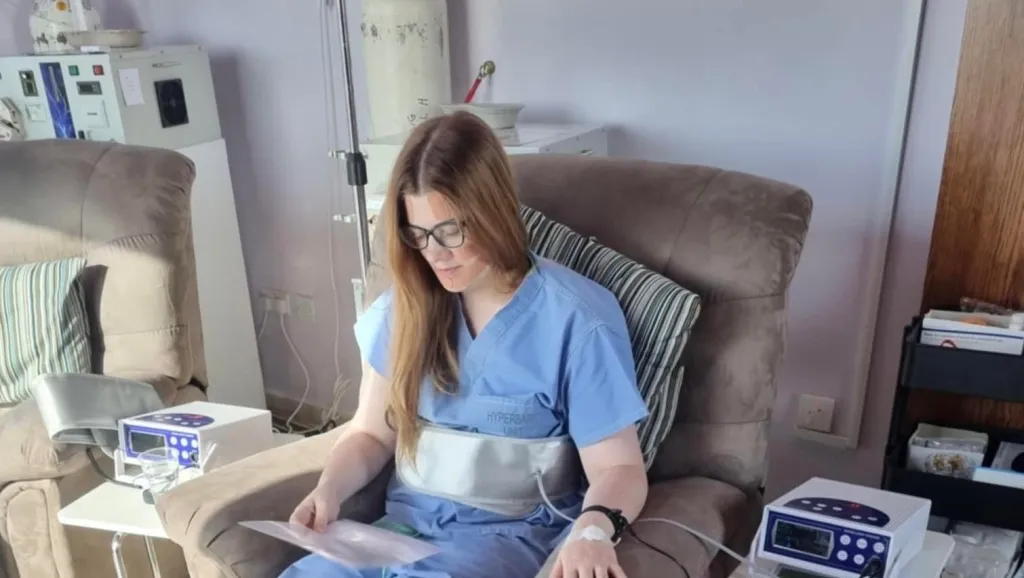
Doctors and researchers have long recognized trigeminal neuralgia’s devastating impact, earning it the nickname “suicide disease” due to the mental and emotional toll it takes on those who suffer from it.
Searching for Relief
Emily’s diagnosis marked the beginning of a grueling journey to find effective treatment. Despite countless attempts, answers remained elusive, and treatments were largely ineffective. She sought help across Australia and even travelled to Europe, exploring alternative therapies in a desperate bid to find relief.
Her medical expenses spiraled, with Emily Morton and her husband spending over $15,000 on treatments. As the pain worsened, her ability to work and lead a normal life was stripped away. The couple moved in with Emily’s mother to manage the financial and emotional strain of her condition.
“This condition has taken everything from me,” Emily said. “My entire life is on hold while I search for something to give me relief.”
Despite her suffering, Emily clung to hope, refusing to let the pain define her. Her resilience and determination to find a solution highlight the strength required to navigate life with such a debilitating disorder.
A Glimmer of Hope
Amidst the darkness, a new treatment has offered Emily a potential pathway to relief. A cutting-edge procedure known as MRI-Guided Focused Ultrasound is now available in Australia. This non-invasive technique uses targeted ultrasound waves to disrupt pain signals in the brain by focusing on a region called the Thalamus.
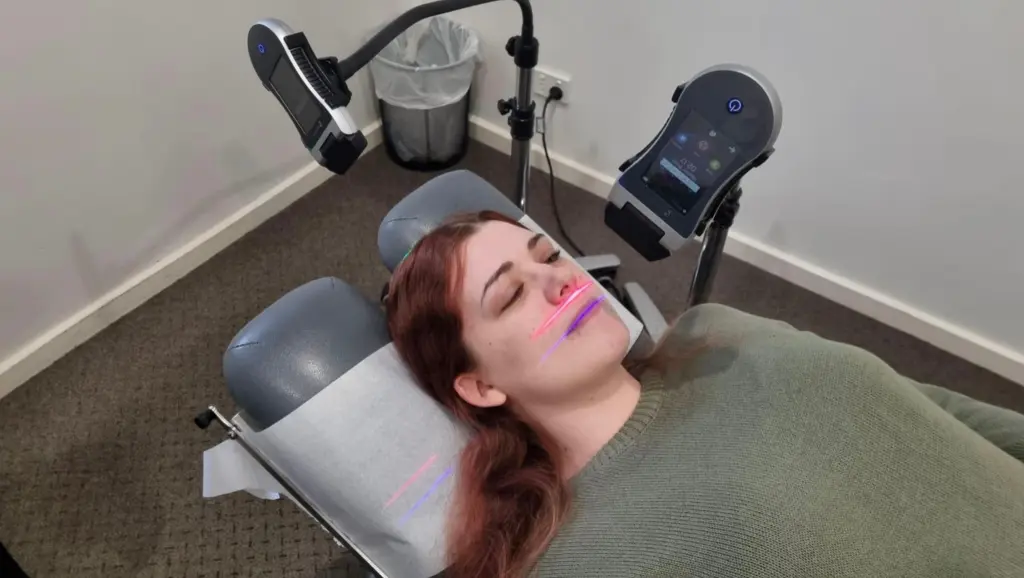
For Emily Morton, the procedure offers a 50/50 chance of finding relief—odds that, for someone living in constant pain, feel like a beacon of hope. Though the outcome is uncertain, the possibility of reclaiming even a fraction of her life motivates Emily to continue fighting.
Emily’s story sheds light on the profound challenges faced by those living with atypical trigeminal neuralgia. It also underscores the need for greater awareness, research, and advancements in treatment options for rare and debilitating conditions.
Emily Morton’s journey is a testament to the resilience of the human spirit in the face of unimaginable suffering. Her story highlights the importance of empathy, understanding, and the urgent need for continued medical innovation to improve the lives of individuals grappling with rare and painful disorders. As Emily Morton prepares to undergo the new treatment, her unwavering hope serves as an inspiration to others enduring similar battles.
I cam understand her pain 😭😭😭 coz I have the same problem but along with that I have Type 3 AICA loop and grade 2 acoustic neuroma it’s like riding a roller-coaster in hell coz here in India, Kerala Doctors are telling open surgery is the only option and it’s high risk so they now try to stop the pain with painkillers like GABANEURON 300MG so and so it’s been 3 years but it got worse by 9 months as have severe vertigo and like 15seconds get a free ride to hell every 3 hour in all three MRI with and without contrast they concluded with abutment of trigeminal nerve on right side and type 3 aica loop also.
Can I get a way to contact her if possible also please update me with her present situation too