
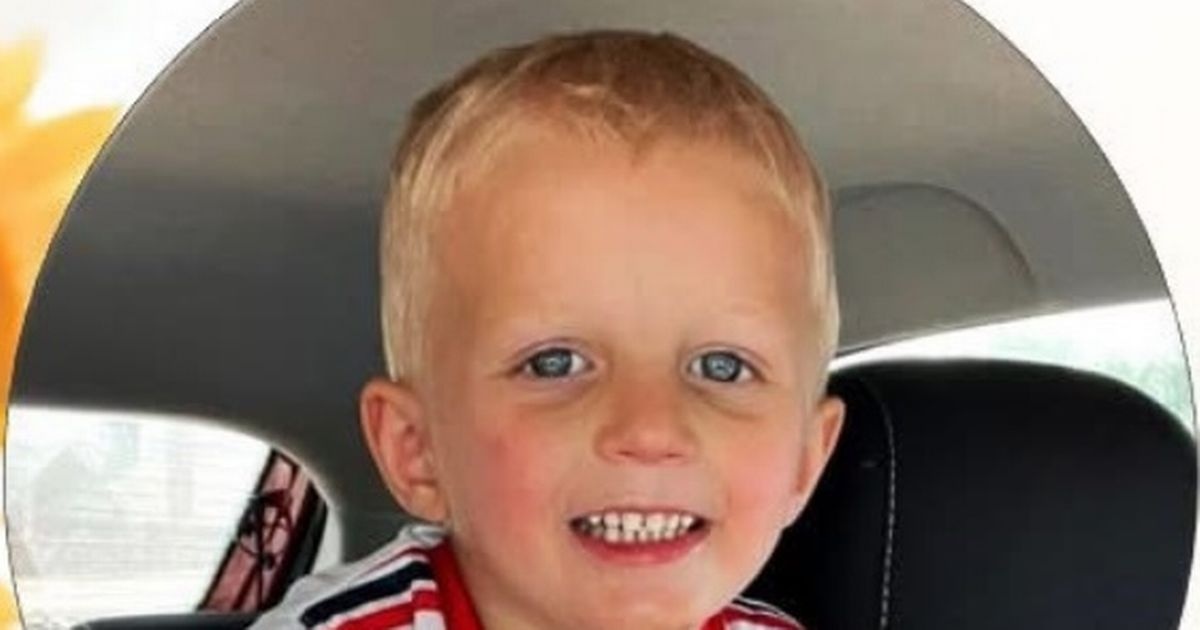
A heartbreaking tragedy unfolded in Videira, Brazil, on Friday, April 25, when a three-year-old boy, Miguel Antunes Versari, lost his life after being left in a car for over 10 hours in scorching temperatures.
His stepmother, who was responsible for taking him to nursery, allegedly forgot he was inside the vehicle while running errands. The dehydrated body of Miguel was discovered later in the day, sending shockwaves through the local community and beyond.
The incident has sparked widespread outcry, with many questioning how such a tragic oversight could happen. The circumstances surrounding the young boy’s death, as well as the potential negligence involved, have raised important concerns about child safety, heatstroke, and the responsibilities of caregivers.
A Tragic Oversight
The morning of April 25 began like any other for Miguel Antunes Versari’s stepmother, as she went about her usual routine. She was supposed to drop Miguel off at the nursery by 7 a.m. before heading to her partner’s workplace.
However, after dropping her partner off, she forgot to take Miguel with her and left him behind in the car. The young boy had fallen asleep in the back seat of the car, a mistake that would prove fatal.
According to reports, temperatures in Videira soared to an alarming 31°C (88°F) that Friday, and the inside of the vehicle would have been even hotter, potentially reaching 57°C (134°F). These temperatures are dangerously high, particularly for young children who are more susceptible to heatstroke.
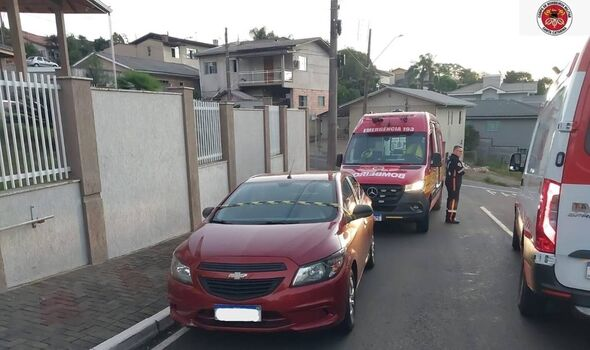
It was only several hours later, when Miguel’s stepmother went to pick him up from the nursery, that she realized her tragic mistake. By then, it was too late. Miguel’s body, severely dehydrated from hours of exposure to the intense heat, was discovered in the back seat of the car.
Read : 30-Year-Old Driver Arrested After Car Plows into Crowd at Lapu Lapu Day Festival in Vancouver
The stepmother reportedly told authorities that Miguel had been showing flu-like symptoms the previous day and had been medicated with ibuprofen. She claimed that the child had not been as active as usual, which is why he had fallen asleep in the car. The confusion, according to her, stemmed from not realizing that he was still in the back seat after dropping off her partner.
The Dangers of Heatstroke and the Importance of Car Safety
While the story of Miguel’s death is undeniably tragic, it also sheds light on a critical issue: heatstroke and the dangers of leaving children in cars, even for a short period. On hot days, the temperature inside a parked vehicle can rise to lethal levels very quickly, even if the windows are slightly cracked open.
Heatstroke occurs when the body’s temperature rises to dangerous levels, typically above 40°C (104°F), leading to organ damage and, in extreme cases, death. Children are particularly vulnerable to heatstroke because their bodies heat up faster than adults, and they are less able to regulate their internal temperature.
It is important to remember that heatstroke can occur quickly, even in temperatures that seem bearable. On a hot day, a car’s interior can reach deadly temperatures within minutes. According to the American Academy of Pediatrics, the temperature inside a parked car can increase by 20°F (11°C) within just 10 minutes, making it a dangerous environment for a child.
Read : Father Makes 3-Year-Old Daughter Fill Bowl with Tears for Watching Excess TV in China
Even if a child appears to be asleep, they are still at risk. Children, especially toddlers like Miguel, cannot always be relied upon to alert an adult when they are uncomfortable, overheated, or in distress. Therefore, it is essential that caregivers remain vigilant and ensure that children are never left alone in a vehicle, regardless of how brief the stop may seem.
Investigations and Legal Ramifications
In the wake of Miguel’s death, local authorities launched a suspicious death investigation to determine whether any foul play was involved or if negligence was the sole cause. Police have been questioning Miguel’s stepmother, as well as reviewing CCTV footage from around the family’s residence, to piece together the events of that fateful morning.
It remains unclear whether Miguel’s stepmother will face criminal charges for the death, though it is widely believed that the tragedy could have been prevented if she had simply checked the car before leaving. In many countries, leaving a child unattended in a car is considered a criminal offense, and caregivers can face serious legal consequences if their actions lead to harm or death.
This case is just one of many in a series of heartbreaking incidents in recent years in which children have tragically died after being left in cars. In the United States, similar cases have been reported, such as the case of a four-month-old baby who died in a hot car earlier this month.
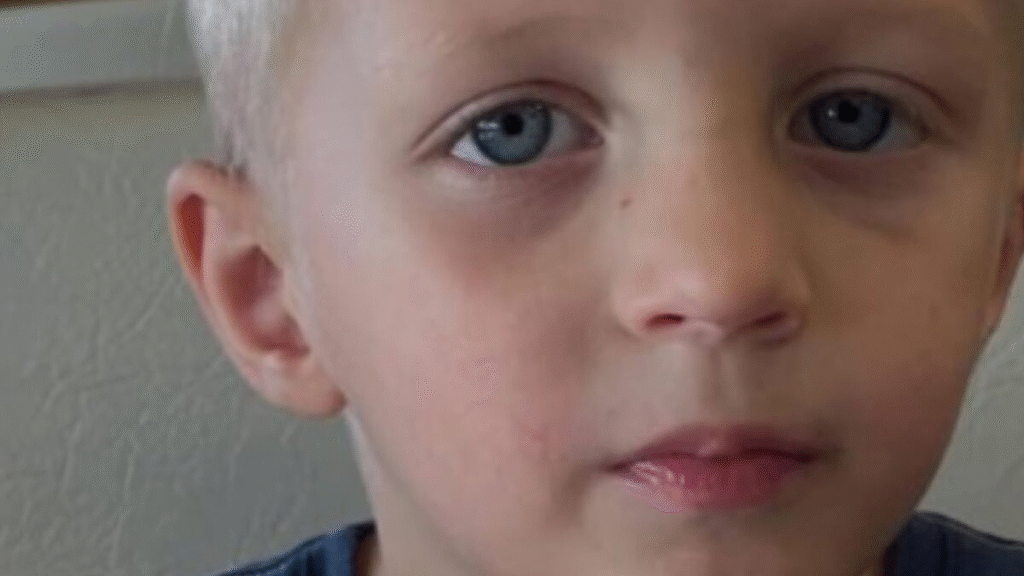
The baby’s father, Moshe Ehrlich, had forgotten to drop the baby off at the babysitter’s house after running errands. He parked the car at his workplace, leaving the child unattended for several hours. Like Miguel, the baby was later discovered unresponsive.
These cases underscore the importance of awareness and education regarding the dangers of leaving children in vehicles. In many places, there are campaigns and resources aimed at educating parents and caregivers about the risks and providing them with strategies to prevent such tragedies from occurring.
One simple measure that can save lives is the “Look Before You Lock” campaign, which encourages drivers to check the back seat before leaving the vehicle. This small action can ensure that no child is left behind in a hot car, and it can prevent another senseless death.
Lessons to Be Learned
The death of Miguel Antunes Versari is a deeply tragic reminder of the vulnerability of young children and the dire consequences of negligence. It serves as a wake-up call for all caregivers to take the necessary precautions to ensure that children are safe, especially in the heat of summer months.
One of the most important lessons from this incident is the need for constant vigilance. Caregivers should develop habits and routines that make it impossible to forget a child in the backseat.
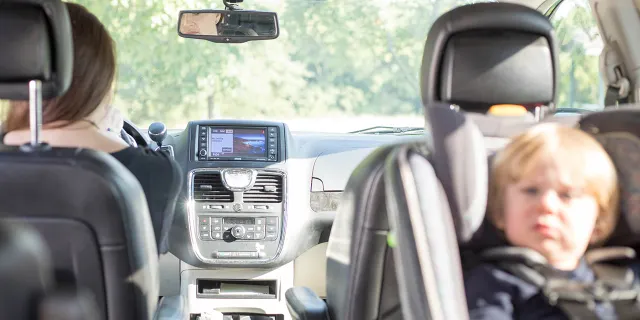
For example, some experts recommend placing a personal item, such as a handbag or cellphone, in the back seat with the child, so that the caregiver is forced to check before exiting the car. Others suggest leaving a note on the dashboard as a reminder.
Additionally, it is crucial that society continues to push for better education around child safety in cars. Schools, daycare centers, and pediatricians should help spread the message, ensuring that parents and caregivers understand the risks involved and the steps they can take to keep their children safe.
As the investigation into Miguel’s death continues, it is clear that his story is part of a larger conversation about how we can protect our children from preventable harm. Only by raising awareness, enforcing strong safety laws, and instilling responsible habits in caregivers can we hope to reduce the number of these senseless deaths in the future.
In the end, no child should have to lose their life because of a momentary lapse in attention. Miguel’s story is a tragic one, but it can serve as a catalyst for change, urging us all to do better in the name of child safety. Let his death be a stark reminder of the importance of never leaving a child alone in a car – because no amount of distraction or forgetfulness is worth the devastating consequences.