
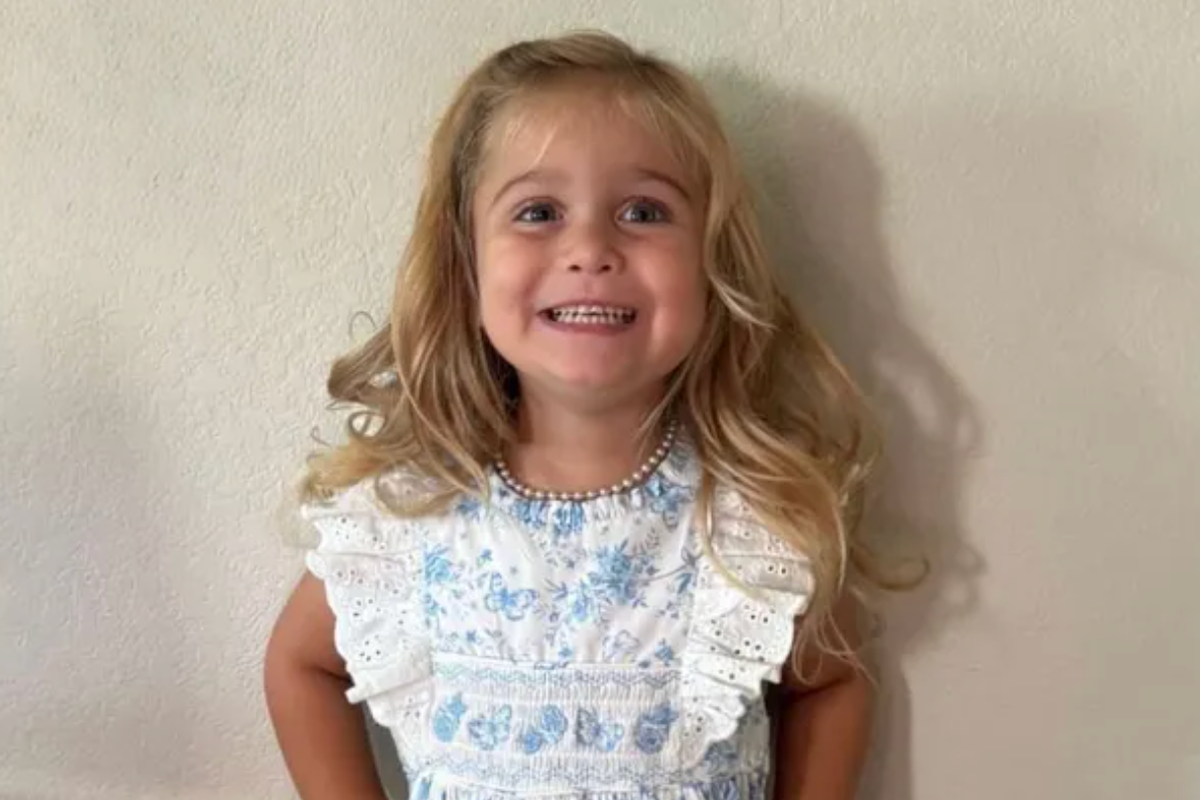
On March 8, 2025, a tragic incident in Stanislaus County, California, shocked the community and drew national attention. Juliette Marie Acosta, a 26-year-old mother from Oakdale, is accused of driving under the influence, crashing her SUV into an irrigation canal, and leaving her 4-year-old daughter, Reagan Herrin, trapped inside the Submerged SUV in Canal.
Prosecutors allege that Acosta, whose blood alcohol level was nearly three times the legal limit, left the scene to take a bath while her daughter remained in peril, ultimately leading to the child’s death. As the case unfolds, it raises profound questions about accountability, substance abuse, and the devastating consequences of impaired decisions.
Juliette Marie Acosta now faces a litany of charges, including murder, vehicular manslaughter, and felony DUI, with the Stanislaus County District Attorney’s Office citing aggravating circumstances that could lead to a life sentence if she is convicted.
The incident has sparked outrage, grief, and debate, with authorities and the public grappling with the heartbreaking loss of a young life. Below, we explore the details of the crash, the legal developments, and the broader implications of this tragedy.
Submerged SUV in Canal
The sequence of event began around 11:00 p.m. on March 8, 2025, near the intersection of Arlberg Road and Canal Bank Road, just east of Hickman, California. According to the California Highway Patrol (CHP), Juliette Marie Acosta was driving her Subaru SUV southbound on Arlberg Road at an unknown speed when the vehicle veered off course.
The SUV sideswiped a wooden telephone pole, crossed Canal Bank Road, and plunged into the Turlock Main Canal, where it became fully submerged.
Inside the vehicle was Juliette Marie Acosta’s 4-year-old daughter, Reagan Herrin, secured in her car seat. As water filled the SUV, the situation turned dire. A relative, identified as Reagan’s uncle, lived nearby and heard the crash. He rushed to the scene and managed to free Acosta from the vehicle, pulling her to safety.
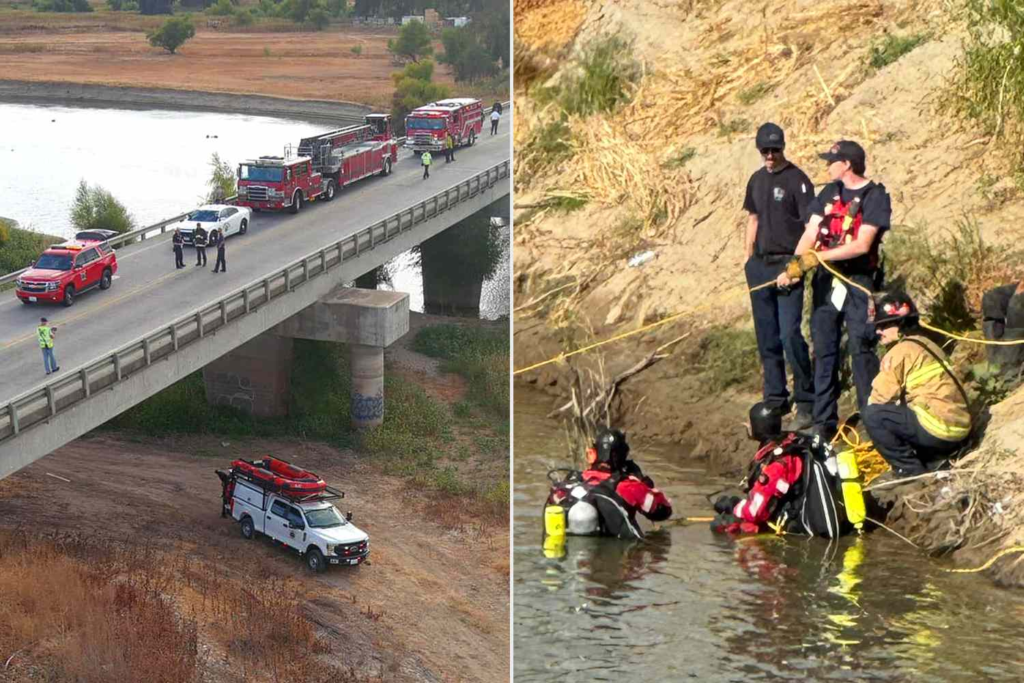
A Stanislaus County sheriff’s deputy later arrived and, with the uncle’s assistance, worked to extract Reagan from the submerged car. Despite their efforts, the child was unresponsive when freed.
Read : Philippine Politician Christian Sia Offers to Sleep with Lonely and Single Mothers, Criticised
Emergency responders, including PHI Air Medical and American Medical Response, transported Reagan to Memorial Medical Center in Modesto, where she was pronounced dead.
Read : 161-Million-Year-Old World’s Largest Stegosaurus Skeleton Put on Auction in New York
The CHP reported that Acosta displayed “objective signs of intoxication” at the scene. A subsequent test revealed her blood alcohol content was nearly three times the legal limit of 0.08%, a level indicating severe impairment.
Juliette Marie Acosta was arrested that night on suspicion of felony DUI and booked into the Stanislaus County Public Safety Center. However, the initial charge was only the beginning of a rapidly escalating case.
Escalating Charges and Allegations of Neglect
In the weeks following the crash, the Stanislaus County District Attorney’s Office conducted a thorough investigation, uncovering details that transformed the case from a DUI tragedy to a murder prosecution. On April 11, 2025, District Attorney Jeff Laugero announced that Juliette Marie Acosta would face additional charges, including murder, vehicular manslaughter, DUI causing injury, child endangerment, and resisting or obstructing an officer.
The murder charge, in particular, hinges on the allegation that Acosta’s actions demonstrated a “conscious disregard for human life,” a legal threshold for second-degree murder in California.
Prosecutors allege that after being helped out of the SUV, Acosta did not attempt to aid her daughter or alert authorities. Instead, they claim she left the scene while Reagan remained trapped in her car seat, with the vehicle partially submerged.
In a particularly jarring detail, the District Attorney’s Office stated that Acosta was later “located taking a bath” while her daughter was still in danger, an action described as abandoning a “vulnerable victim.”
This assertion has fueled public outrage, though Acosta’s attorney has disputed some aspects of the timeline, arguing that it would have been logistically impossible for her to leave the canal and bathe in the time frame described.
Further complicating the narrative, authorities reported that Acosta attempted to flee Stanislaus County after her initial release on bail for the DUI charge. On April 11, she was arrested at a hotel in downtown San Francisco, where investigators believed she was trying to evade a no-bail warrant for murder.
Her father, Clifford Acosta Jr., was also detained on suspicion of aiding her flight, though details of his involvement remain limited. Acosta’s attorney has denied that she was attempting to flee, asserting that her presence in San Francisco was unrelated to evasion.
If convicted on all counts, Acosta faces a maximum sentence of life in prison, a reflection of the gravity of the charges and the loss of a young life. As of April 13, 2025, she remains in custody, with no public record of a plea or retained counsel for the murder charge.
A Community in Mourning and Broader Implications
The death of Reagan Herrin has left an indelible mark on Oakdale and beyond. Community members have expressed grief and disbelief, with tributes to Reagan circulating on social media and through a GoFundMe campaign to support her family.
Described as a vibrant 4-year-old, Reagan’s life was cut short in a manner that many find incomprehensible. The case has also reignited discussions about the dangers of drunk driving, particularly when children are involved.
Nationwide, DUI-related fatalities remain a persistent issue. According to the National Highway Traffic Safety Administration, alcohol-impaired driving accounted for 32% of traffic deaths in the United States in 2023, claiming over 13,000 lives.
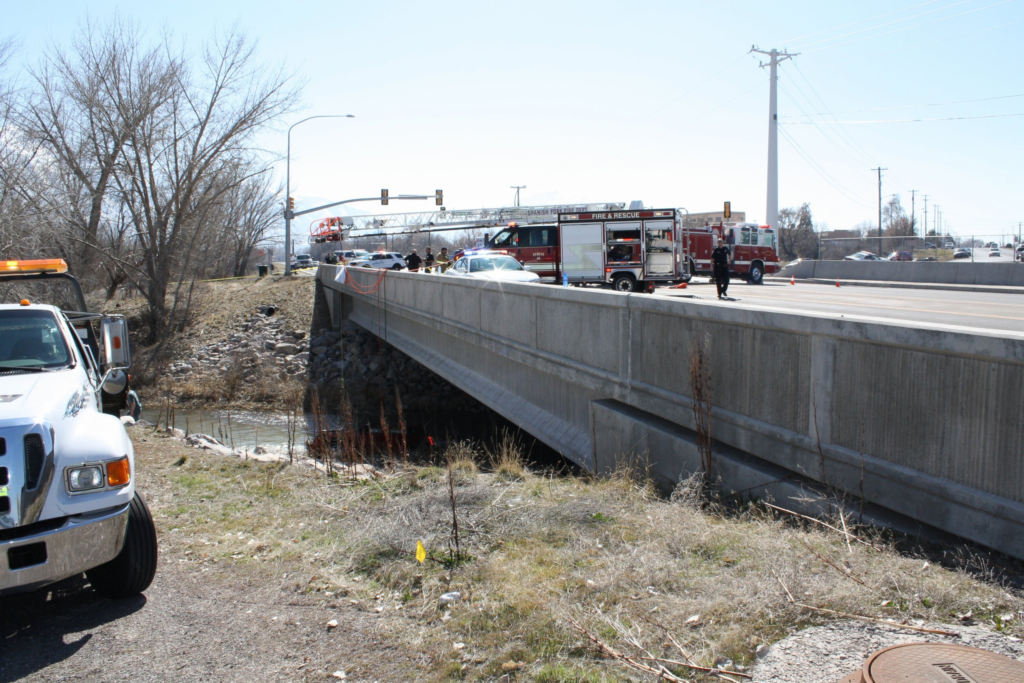
California, with its sprawling highways and rural roads, has seen its share of such tragedies, but cases involving children amplify the public’s demand for accountability. The Acosta case underscores the catastrophic ripple effects of impaired driving—not only for victims but also for families, communities, and the legal system tasked with delivering justice.
Critics of the prosecution’s narrative, including Acosta’s attorney, have cautioned against rushing to judgment. The claim that Acosta left her daughter to bathe, while inflammatory, has been challenged as potentially inconsistent with the timeline and physical realities of the crash site.
The canal, located in a rural area, is not adjacent to residential homes, raising questions about where and how Acosta could have accessed a bath. These discrepancies will likely be central to her defense as the case proceeds to trial.
Meanwhile, the heroism of Reagan’s uncle and the Stanislaus County deputy has been widely praised. CHP spokesperson Tom Olsen commended their efforts in a statement, noting that their actions gave Reagan a chance, however slim, to survive.
Their bravery stands in stark contrast to the allegations against Acosta, highlighting the complex interplay of human instincts—courage, fear, and failure—in moments of crisis.
As the legal process unfolds, the case of Juliette Marie Acosta will continue to draw scrutiny. For now, it serves as a somber reminder of the fragility of life and the profound responsibility of those entrusted with protecting it. Reagan Herrin’s memory endures in the hearts of those who knew her, while her mother faces a reckoning that could define the rest of her life.
The courts will ultimately determine Acosta’s fate, but the questions raised by this tragedy—about prevention, punishment, and healing—will linger far beyond the verdict.