
A fatal traffic collision in Cecil Township, Washington County, has led to criminal charges against a 93-year-old West Virginia man nearly a year after the incident. Authorities allege that William Erwin Johnston, of Wellsburg, crossed into the path of an oncoming motorcycle while driving his Lexus SUV on Millers Run Road, causing a crash that claimed the life of 67-year-old motorcyclist John Dinsmore of McDonald.
Following an investigation into the October collision, prosecutors charged Johnston with homicide by vehicle, a charge that reflects allegations that his actions behind the wheel resulted in Dinsmore’s death. The case has attracted attention because of the driver’s advanced age and the circumstances surrounding the crash, while also highlighting the lengthy investigative process that often follows fatal roadway incidents. Court records now show that Johnston is scheduled to appear for a preliminary hearing in August, where the allegations against him will begin moving through the judicial system.
Crash on Millers Run Road Led to the Death of John Dinsmore
According to the criminal complaint, the fatal collision occurred shortly before 6 p.m. on October 6 along Millers Run Road in Cecil Township. Investigators stated that William Johnston was driving a Lexus SUV when another motorist traveling behind him began noticing unusual driving behavior. That witness later told police that Johnston’s vehicle was swerving as it proceeded along the roadway. The witness reported that as Johnston approached a railroad crossing, the SUV unexpectedly turned left into the roadway, directly into the path of an approaching Harley-Davidson motorcycle being ridden by 67-year-old John Dinsmore.
The sudden maneuver allegedly left little opportunity for the motorcyclist to avoid the collision, resulting in a devastating impact. Emergency responders from Cecil Township police and other agencies quickly arrived at the scene following reports of the crash. Officers found Dinsmore’s Harley-Davidson motorcycle resting on the train tracks while Johnston’s SUV had come to a stop nearby. Investigators documented a large amount of debris scattered across the roadway and surrounding area, indicating the force of the collision.
Dinsmore suffered catastrophic injuries in the crash, and despite the arrival of emergency personnel, he was pronounced dead at the scene. The fatal collision immediately triggered a comprehensive investigation to determine how the crash occurred and whether criminal charges would be appropriate. Police gathered evidence from the crash site, examined the positioning of both vehicles, and interviewed witnesses who had observed Johnston’s driving moments before the collision.
Witness statements became an important part of the investigation because they provided investigators with details about Johnston’s movements leading up to the crash. According to the complaint, the driver following Johnston consistently observed the Lexus swerving before the alleged sudden left turn. These observations were later included as part of the evidence supporting the criminal charge filed against Johnston months after the fatal incident.
Investigation and Driver’s Statement Form the Basis of Criminal Charge
During the investigation, police also interviewed William Erwin Johnston about what he remembered from the collision. According to court documents, Johnston explained that while driving on Millers Run Road, he believed the front end of his vehicle suddenly lifted, causing him to think the SUV might flip over. He reportedly told officers that he was wearing his glasses while driving but did not see any other vehicles before the crash occurred. His statement became one of several pieces of information investigators reviewed while attempting to reconstruct the events that led to the fatal collision.
Crash investigations involving fatalities often require extensive analysis before prosecutors determine whether criminal charges are warranted. Investigators typically examine physical evidence from the roadway, vehicle damage, witness testimony, and statements provided by everyone involved. In this case, police spent months reviewing the available evidence before filing charges against Johnston. The resulting criminal complaint alleges that his actions while operating the SUV directly led to Dinsmore’s death, forming the basis for the homicide by vehicle charge.
Read : Michael Jackson’s Children Blocked from Late Singer’s Trust Over ‘$700m Tax Bill’
Homicide by vehicle charges generally do not require prosecutors to prove intentional harm. Instead, such cases focus on whether a driver’s conduct while operating a motor vehicle violated the law in a manner that caused another person’s death. The evidence presented in court will ultimately determine whether prosecutors can establish the elements necessary to support the charge against Johnston. At this stage, the allegations remain accusations, and Johnston is presumed innocent unless proven guilty through the legal process.
Read : Michael Jackson’s Children Blocked from Late Singer’s Trust Over ‘$700m Tax Bill’
The filing of criminal charges nearly a year after the crash reflects the deliberate pace often associated with serious traffic investigations. Fatal crashes frequently involve accident reconstruction specialists, forensic analysis, and careful review of witness accounts before authorities decide whether prosecution is appropriate. Such investigations are intended to ensure that charging decisions are supported by sufficient evidence rather than being made immediately following a tragic incident.
Court Proceedings Ahead as Community Remembers the Victim
Court records indicate that William Erwin Johnston is scheduled to appear for a preliminary hearing on August 13. During that proceeding, prosecutors will present evidence intended to establish that sufficient grounds exist for the criminal case to continue. The hearing will not determine Johnston’s guilt or innocence but will instead focus on whether enough evidence has been presented to move the case forward into later stages of the judicial process. If the court determines that the legal standard has been met, the case will proceed through additional hearings and potentially toward trial unless resolved through other legal proceedings.
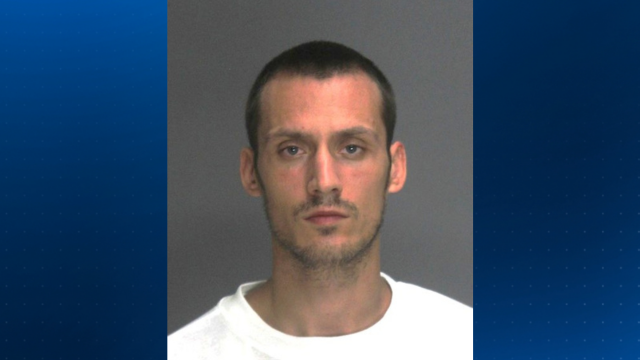
For the family and friends of John Dinsmore, the legal process represents another chapter following the loss of a loved one in a sudden roadway tragedy. Dinsmore, a 67-year-old resident of McDonald, died at the scene after the collision with Johnston’s SUV. His death serves as a reminder of the devastating consequences that traffic crashes can have on families and communities. Fatal motorcycle crashes, in particular, often result in severe injuries because riders lack the protective structure surrounding occupants of passenger vehicles, making collisions especially dangerous even at relatively moderate speeds.
The case has also generated discussion because Johnston was 93 years old at the time charges were filed. Although age alone does not determine an individual’s ability to drive safely, licensing authorities and medical professionals often emphasize that drivers should remain physically and mentally capable of operating a vehicle responsibly. Factors such as vision, reaction time, mobility, and overall health can influence driving performance as people age. However, every driver is evaluated individually, and legal responsibility in crash cases depends on the specific facts established through investigation rather than age alone.
As the criminal proceedings continue, the evidence collected by investigators will be closely examined in court. Witness testimony, Johnston’s own statements to police, physical evidence from the crash scene, and any expert analysis presented by prosecutors or the defense may all become significant components of the case. The judicial process will provide both sides with the opportunity to present their arguments before any final determination is made regarding Johnston’s criminal liability.
The fatal collision on Millers Run Road remains a tragic event that resulted in the loss of John Dinsmore’s life and has now led to serious criminal charges against William Johnston. Prosecutors contend that Johnston’s alleged actions while driving caused the deadly crash, while the court process will determine whether those allegations can be proven beyond a reasonable doubt. With a preliminary hearing scheduled for August 13, the case is expected to continue through the Pennsylvania court system as investigators’ findings and witness testimony are formally reviewed. Until the legal proceedings conclude, the charge against Johnston remains an allegation, and the outcome will ultimately depend on the evidence presented before the court.