
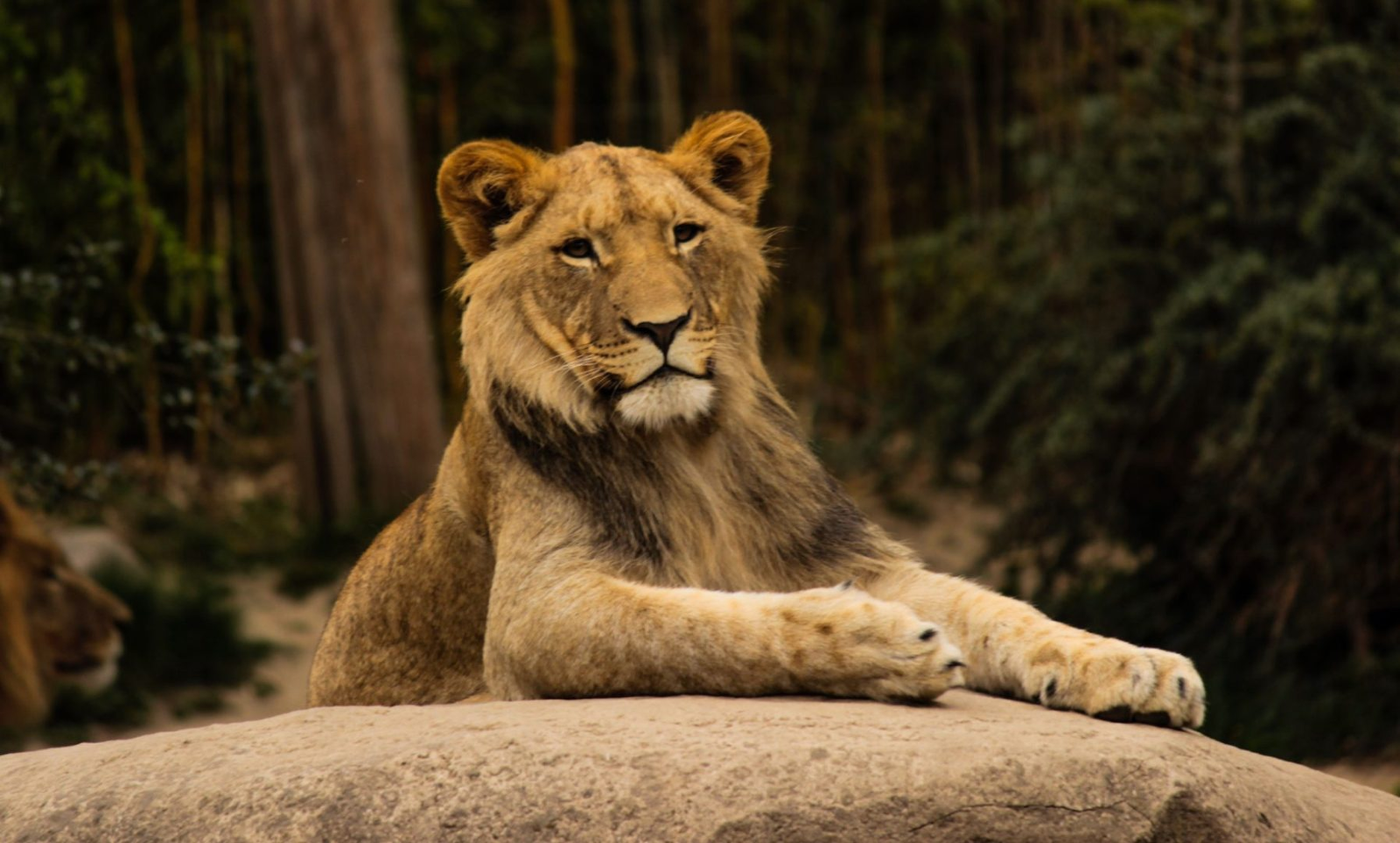
Aalborg Zoo, located in northern Denmark, has sparked global debate and controversy after issuing a public appeal for donations of live pets — including chickens, rabbits, and guinea pigs — to serve as food for its resident predators. The initiative, which the zoo claims is aimed at promoting the natural food chain and animal welfare, is raising both eyebrows and ethical questions among animal lovers, pet owners, and conservationists alike.
The zoo’s request has stirred emotions across social media platforms and in public forums, with opinions ranging from support for the naturalistic approach to outright condemnation of what some see as an inhumane and unsettling practice. In a statement released on its social media page, Aalborg Zoo explained that the initiative is part of its commitment to promoting animal welfare and professional integrity.
The zoo is home to a variety of predatory animals, including the Eurasian lynx, and officials say feeding them live or recently euthanised prey more closely mimics their natural diet and encourages instinctual behaviors.
To some, this represents a bold and transparent step in responsible animal care; to others, it feels like a disturbing commodification of once-beloved pets. With a policy that includes the “gentle euthanasia” of donated animals, this unique practice sits at the crossroads of animal ethics, ecological realism, and public perception.
Encouraging Natural Behaviour in Predators
The central argument presented by Aalborg Zoo revolves around replicating the natural feeding patterns of predators such as lynxes, lions, and tigers. In the wild, these animals hunt live prey. By feeding them freshly euthanised small animals rather than frozen meat or processed food, the zoo believes it is fostering more natural behavior, psychological stimulation, and nutritional balance.
Aalborg Zoo officials stress that this method helps prevent boredom and reduces the mental stress that often comes with captivity. According to them, when predators have to work a little — even minimally — for their food, it leads to healthier, more active animals.
A spokesperson for the zoo reiterated that this approach is not a new practice in the world of animal conservation. Many European zoos, especially those focusing on ecological authenticity, already adopt similar feeding strategies. However, what sets Aalborg Zoo apart is its public request for donations, specifically targeting small household pets that are healthy and live. This public-facing appeal, while bold, is seen by some as pushing the ethical envelope further than it should go.
Read : Top 10 Most Beautiful Villages of Denmark
Furthermore, the zoo’s policy includes the euthanisation of animals by trained professionals before they are fed to predators. This, they say, eliminates the suffering that would be associated with live feeding, a practice largely outlawed or frowned upon in most zoological settings.
Read : Denmark: Famous for Its Range from Impeccable Modernist Design to Baroque Palaces
The animals are not simply thrown into enclosures alive; instead, they are put down in a controlled, humane environment. This distinction is critical for the zoo, which maintains that its request is rooted in compassion for both donor animals and the predators they sustain.
Public Reactions: Outrage, Support, and Ethical Concerns
The response from the public has been deeply divided. Critics have condemned the move as “deeply perverse and degrading,” accusing the Aalborg Zoo of encouraging the abandonment of pets under the guise of scientific necessity. Social media users have flooded the zoo’s page with comments, many expressing horror at the idea of beloved companion animals becoming food — even if it’s done humanely. For pet owners, the emotional attachment to their animals transforms them from mere livestock to family members, and the idea of them ending up on the menu is difficult to accept.
Animal rights organizations have voiced concern about the implications of such a practice. Some argue that it could send the wrong message about the value of animal life, reducing pets to mere fodder. Others fear it may inadvertently encourage irresponsible pet ownership, where people adopt animals on a whim with the knowledge that a zoo might later accept them without judgment. This raises potential issues of increased abandonment and decreased accountability.
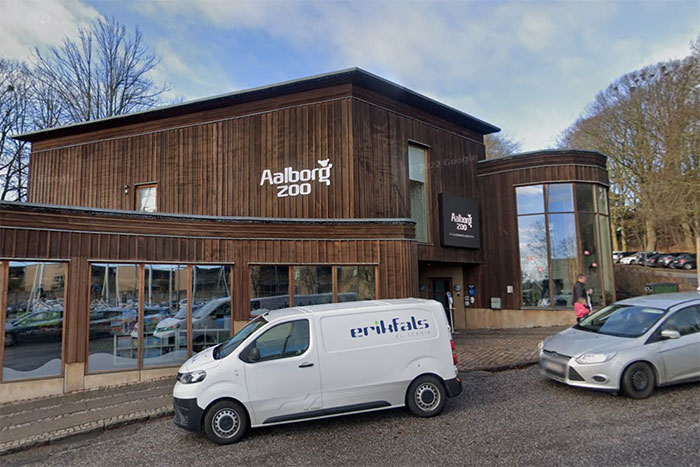
On the other hand, some have praised the zoo’s honesty and transparency. A woman who had donated her horse to the zoo in the past spoke positively of her experience, describing the euthanisation process as peaceful and respectful. She emphasized the professionalism and gratitude of the staff, pointing out that her horse was treated with dignity until the very end. This sentiment reflects a segment of the population that believes in practical, ecological approaches over emotional sentimentality.
From an environmental and sustainability perspective, supporters argue that the practice reduces waste and uses available resources effectively. Instead of animals being discarded, rehomed unethically, or abandoned, they are repurposed in a way that supports other living creatures. The zoo notes that “nothing goes to waste,” which resonates with those who prioritize sustainability and ecological balance.
How the Program Works and Its Broader Implications
According to Aalborg Zoo’s official communication, healthy chickens, guinea pigs, and rabbits can be donated on weekdays between 10 am and 1 pm. Donors are limited to four animals at a time without an appointment. For those with more than four animals to donate, the zoo offers pick-up and delivery services. In addition to small animals, the zoo also accepts horses, which can be donated provided they come with a valid horse passport.
Interestingly, horse donations come with a potential tax benefit. The value of the horse is assessed based on its weight, and the donor may receive a tax deduction equivalent to that value. This aspect of the program adds an economic incentive, although it also raises questions about commodifying animals for tax relief. While some see it as a practical benefit, others view it as distasteful and morally ambiguous.
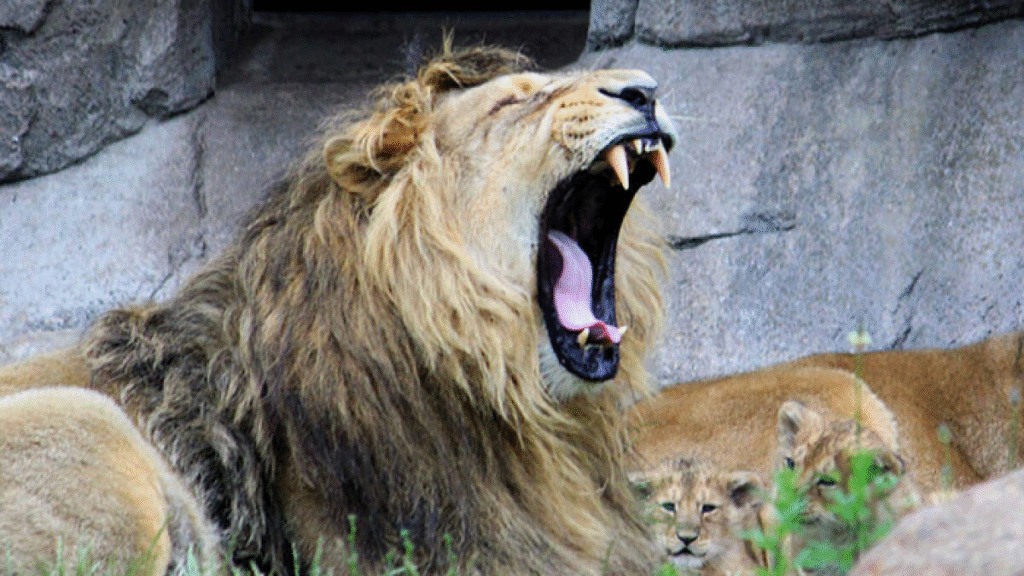
Despite the controversy, the Aalborg Zoo is standing firm on its approach. Staff members continue to defend the policy as grounded in science, ethics, and ecological necessity. The institution emphasizes that these feeding strategies are part of a broader vision that prioritizes the psychological well-being of its animals and respects the circle of life. The transparency surrounding the program is, in many ways, refreshing in an age when many zoos keep their feeding practices behind closed doors.
In broader terms, this situation raises profound questions about how humans interact with animals — as pets, as food, and as participants in complex ecological systems. Should zoos reflect nature, even if doing so conflicts with societal norms around pet ownership and emotional attachment? Is there a morally acceptable way to transition domesticated animals into the food chain of wild ones? And can such a practice ever truly separate practicality from sentiment?
These are not simple questions, and Aalborg Zoo’s new initiative has forced both experts and the general public to confront them head-on. Whether this approach will be adopted by other institutions remains to be seen, but one thing is clear: it has sparked a much-needed conversation about the balance between nature, ethics, and human emotion.
For now, the Aalborg Zoo continues its program, welcoming donations while maintaining strict protocols to ensure humane treatment. It invites those facing difficult choices with their pets — whether due to housing, finances, or other constraints — to consider this alternative as a last resort, one that, while controversial, claims to honor the cycle of life in its rawest form.