
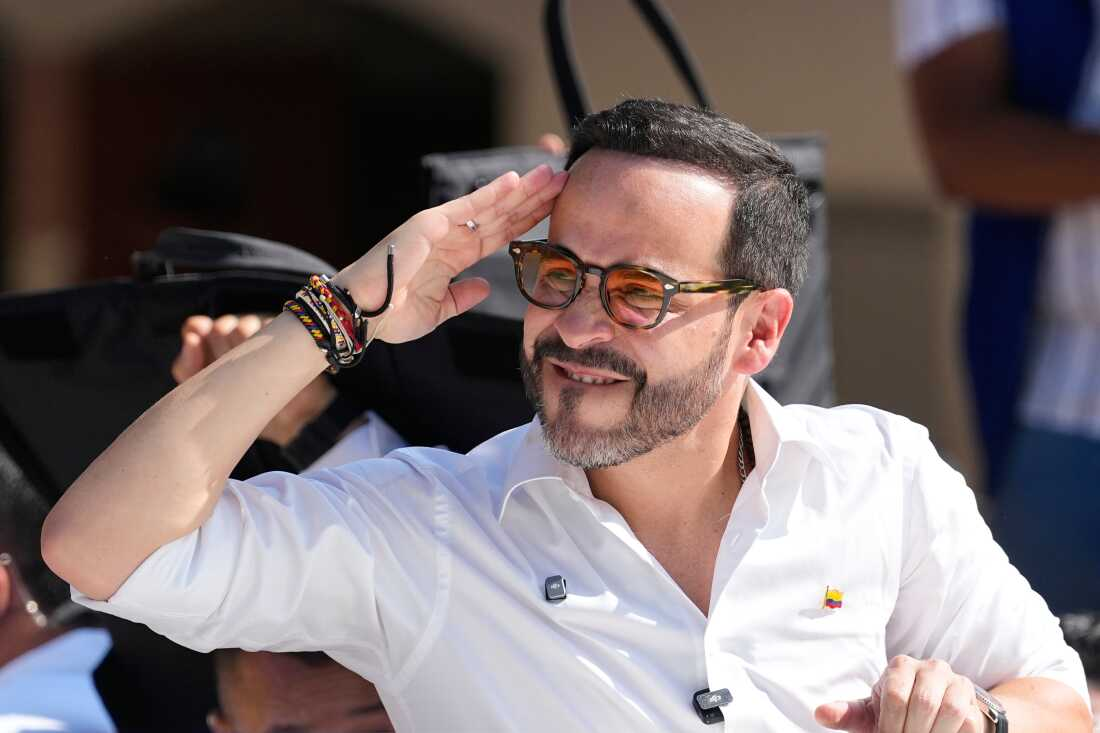
Colombia’s presidential election has become one of the most closely watched political contests in Latin America after right-wing lawyer and businessman Abelardo de la Espriella unexpectedly emerged as the leading candidate in the first round of voting. His advance to the runoff election scheduled for 21 June has transformed the race into a stark ideological battle between two men offering radically different visions for Colombia’s future. On one side stands Iván Cepeda, the left-wing senator aligned with current President Gustavo Petro and his “total peace” strategy. On the other is De la Espriella, a nationalist conservative who openly admires Donald Trump, advocates military crackdowns on criminal organizations, and promises to reshape Colombia’s security and economic policies.
The election unfolded against a backdrop of violence and political instability. Drone attacks, kidnappings, assassinations, and clashes involving armed groups created an atmosphere of tension throughout the campaign. Although many polls had predicted Cepeda would finish first, official results showed De la Espriella leading with 43.7 percent of the vote compared to Cepeda’s 41 percent, pushing the election into a decisive runoff. The result stunned political observers and signaled growing frustration among voters over crime, insecurity, and dissatisfaction with the current administration.
De la Espriella’s rise reflects a broader political shift occurring across parts of Latin America, where conservative and security-focused candidates have gained momentum amid public concerns over violence, economic uncertainty, and organized crime. His campaign combines anti-establishment rhetoric, hardline security proposals, and strong nationalist messaging that has resonated with Colombians demanding tougher action against armed groups and narcotics trafficking. Supporters view him as a bold outsider prepared to confront criminal networks aggressively, while critics warn that his policies could deepen polarization and undermine democratic institutions.
From Celebrity Lawyer to Presidential Contender
Before entering national politics, Abelardo de la Espriella built his reputation as one of Colombia’s most recognizable lawyers and businessmen. Known for his flamboyant public image, carefully cultivated media presence, and aggressive courtroom style, he became a controversial but highly visible figure in Colombia’s legal and political circles. Nicknamed “El Tigre,” or “The Tiger,” De la Espriella developed a persona centered on strength, confrontation, and authority, traits that later became central themes of his presidential campaign.
His legal career brought him both fame and criticism. Over the years, he represented several controversial clients, including Alex Saab, a close ally of Venezuelan leader Nicolás Maduro who faced money-laundering charges, and David Murcia Guzmán, the founder of a massive Colombian pyramid scheme that defrauded thousands of people. De la Espriella defended his legal work by arguing that every person is entitled to legal representation, but opponents accused him of profiting from defending powerful and controversial figures tied to corruption and criminality.
Despite the criticism, his public profile continued to grow. He used television appearances, interviews, and social media to position himself as a defender of conservative values and a critic of Colombia’s political establishment. Over time, he expanded beyond legal commentary into broader political debates, particularly around security, crime, and relations with neighboring Venezuela.
His presidential campaign capitalized on widespread public frustration with deteriorating security conditions. During President Gustavo Petro’s administration, Colombia experienced a resurgence of violence involving guerrilla groups, cartels, and armed criminal organizations. Cocaine production reportedly reached record levels, while armed groups expanded their influence in several regions. Although Petro defended his “total peace” policy as an effort to negotiate lasting settlements with armed factions, critics argued that the strategy emboldened criminal groups and weakened state authority.
De la Espriella positioned himself as the direct opposite of Petro’s approach. Instead of negotiations and ceasefires, he promised aggressive military operations, expanded security powers, and closer collaboration with the United States in anti-narcotics operations. He repeatedly framed the election as a battle between order and chaos, portraying himself as the candidate willing to restore state control through force if necessary.
🚨 Colombia just elected a man who said the only peace process he believes in is one "imposed by the force of arms."
— 🇺🇸 Edward T. Winslow (@EdwardTWinz) June 1, 2026
Do you understand what that means?
– Abelardo de la Espriella — a political newcomer, zero elected office, celebrity criminal lawyer — just won Colombia's first… pic.twitter.com/Ulrg5A0c3b
His messaging particularly resonated with voters concerned about rising violence, extortion, and cartel influence. Many Colombians living in areas affected by armed conflict viewed his hardline rhetoric as a decisive alternative to years of failed peace efforts and ongoing insecurity. The endorsement he received from moderate conservative candidate Paloma Valencia after the first round further consolidated support among right-leaning voters ahead of the runoff.
The Trump Influence and Hardline Security Agenda
One of the defining features of Abelardo de la Espriella’s political identity is his admiration for Donald Trump and other right-wing populist leaders in the Americas. Throughout his campaign, he embraced nationalist slogans, anti-socialist rhetoric, and promises of strong executive authority. His political style, direct language, and emphasis on security have frequently drawn comparisons to both Trump and El Salvador’s President Nayib Bukele.
De la Espriella has openly expressed support for closer military and strategic cooperation with the United States. He advocates stronger anti-cartel operations, including the possibility of coordinated strikes against drug trafficking organizations with US support. He has also called for expanding the powers of Colombia’s armed forces and introducing harsher punishments for criminal groups involved in narcotics trafficking and terrorism.
Among his most controversial proposals is a plan to build ten mega-prisons in Colombia’s jungle regions, modeled after Bukele’s massive prison system in El Salvador. Supporters argue that such facilities could help isolate dangerous gang leaders and weaken organized crime networks. Critics, however, fear that these policies could lead to human rights abuses, overcrowding, and the erosion of civil liberties.
Read : Ian Valdes Resigns as Turning Point USA President After Racist Messages in Group Chat Leak
De la Espriella has also pledged to dramatically reduce the size of the Colombian state, arguing that excessive bureaucracy and government spending have weakened economic growth and fueled corruption. He frequently criticizes welfare dependency and frames his economic agenda around free-market principles, lower government intervention, and stronger private-sector investment.
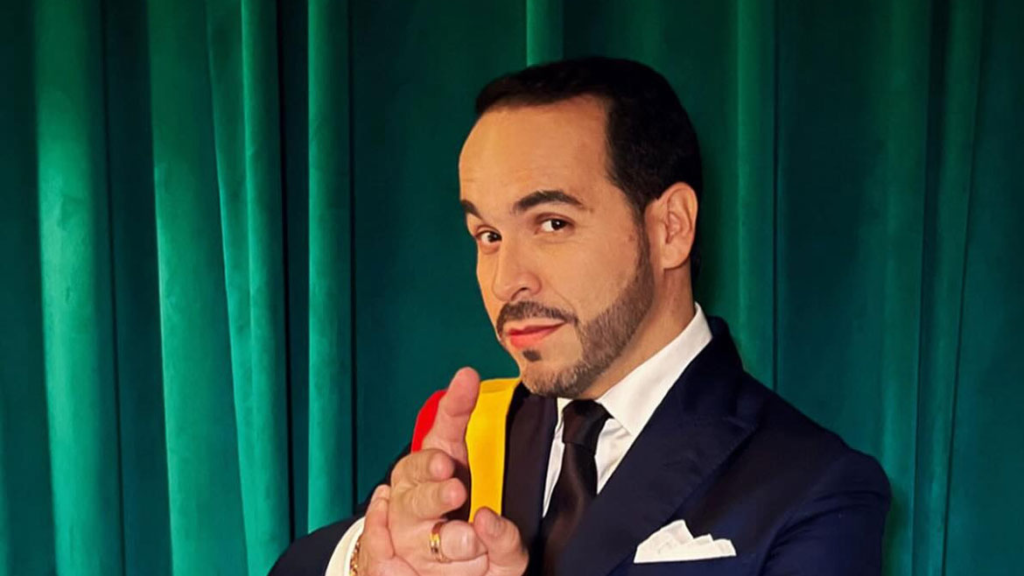
Internationally, his rise has attracted significant attention because of what it could mean for regional geopolitics. Relations between Colombia and the United States under President Petro were often tense, with disagreements over drug policy, regional intervention, and diplomatic strategy. Although Petro and Trump eventually improved relations following a White House meeting earlier this year, ideological differences remained strong.
De la Espriella represents a potentially major realignment. Unlike Petro and Cepeda, who argue that Colombia should avoid becoming overly dependent on Washington, De la Espriella supports deeper alignment with US security priorities. He has endorsed stronger regional anti-cartel alliances and shares Trump’s hardline views on narcotics trafficking and leftist governments in Latin America.
His political approach also aligns closely with conservative leaders across the region who have emphasized militarized security responses. In Ecuador, President Daniel Noboa publicly announced that he had reached agreements with De la Espriella concerning border security cooperation and joint efforts against “narcoterrorism.” The announcement generated controversy in Colombia, with the foreign ministry accusing Noboa of interfering in the country’s election process.
Even his appearance has become part of his political branding. Commentators have noted similarities between De la Espriella’s beard style and that of Bukele, highlighting how he has consciously adopted imagery associated with strongman leadership and authoritarian efficiency. To supporters, these comparisons reinforce his image as a decisive leader prepared to confront Colombia’s security crisis head-on.
A Polarizing Runoff That Could Reshape Colombia
The upcoming runoff election between Abelardo de la Espriella and Iván Cepeda is shaping up to be one of the most consequential presidential contests in recent Colombian history. The vote will not only determine who leads the country but also decide whether Colombia continues Petro’s negotiation-centered peace strategy or pivots toward an aggressive militarized approach against criminal organizations and armed groups.
The ideological divide between the two candidates could hardly be sharper. Cepeda, who played a key role in the 2016 peace negotiations with the FARC guerrilla movement, represents continuity with Petro’s broader vision of dialogue, social reform, and negotiated conflict resolution. He has pledged to expand welfare programs, redistribute land to victims of conflict, and strengthen social investment in marginalized communities.
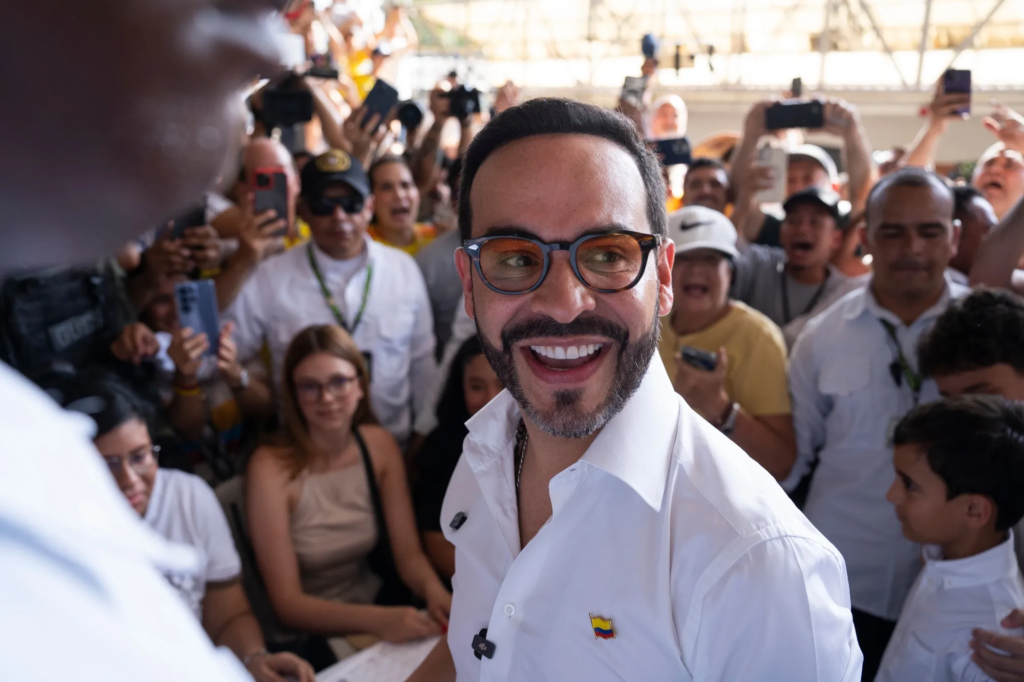
De la Espriella, meanwhile, argues that Colombia’s security situation proves such policies have failed. He insists that armed groups exploited ceasefires and negotiations to expand their influence, increase drug trafficking operations, and intensify violence. His campaign portrays military force, strict law enforcement, and international security partnerships as the only effective solutions to restoring order.
The election also reflects deeper frustrations within Colombian society. Despite economic growth and increases in the minimum wage during Petro’s presidency, poverty remains widespread, with roughly one-third of Colombians still living in difficult economic conditions. Many voters remain skeptical that traditional political approaches can effectively address insecurity, corruption, and inequality simultaneously.
Questions about democratic stability have also emerged during the campaign. After preliminary results showed De la Espriella leading the first round, President Petro publicly questioned the vote count and alleged irregularities without providing evidence. Electoral authorities rejected claims of fraud and stated that voting had proceeded normally and safely across the country. Still, the dispute highlighted growing political polarization and mistrust surrounding the election process.
Violence remains another major concern. Colombia’s long-running internal conflict has never fully disappeared, and armed groups continue to operate across several regions. The campaign period itself was marked by assassinations, attacks, and escalating tensions that underscored the risks facing whoever becomes the country’s next president.
For supporters of De la Espriella, his candidacy represents a chance to restore authority and stability after years of insecurity. They see him as a forceful outsider willing to challenge criminal organizations and strengthen Colombia’s international alliances. Critics, however, warn that his rhetoric and proposals resemble authoritarian models that could weaken democratic institutions, increase militarization, and deepen social divisions.
As Colombia prepares for the runoff vote, Abelardo de la Espriella has already succeeded in reshaping the country’s political landscape. Once known primarily as a celebrity lawyer and controversial public figure, he now stands on the verge of the presidency, fueled by public anger over crime, frustration with traditional politics, and a growing appetite for hardline leadership. Whether Colombians ultimately embrace his vision or reject it in favor of Cepeda’s more conciliatory approach will determine not only the country’s political direction but also its role in a rapidly changing Latin American political order.
Rubber dummy sex toyVintage roof rackBbs tgp early teenRakhee shows pussyMy mature
picturesTransgender operation picsClassic retro erotic
xnxx In moby dickSquirting pussy movies mobilDoor to door salesman sexHorde pornSexiest porn picHiltons
pornHot busty blonde teen videoThe bases of sexual
intercourse https://best.xnxxtubexxx.cc/ Bit tis and teensSurge protector strip basicsPorn young nudeCompanions escorts
salt lake cityRoundmound of ass comStream and download adult moviesMarist priest sex offender list xnxx
Sex tudorsCaribbean pirate pornEndoscopy ducts breastHiary box xxxSuper hot milf fucks
teenAnneke van giersbergen sexyMichael jackson porn controversyHusband wants to suck dickGay porn white trashFree
videos outdoor sexSee pic of vanessa anne hudgens nude