
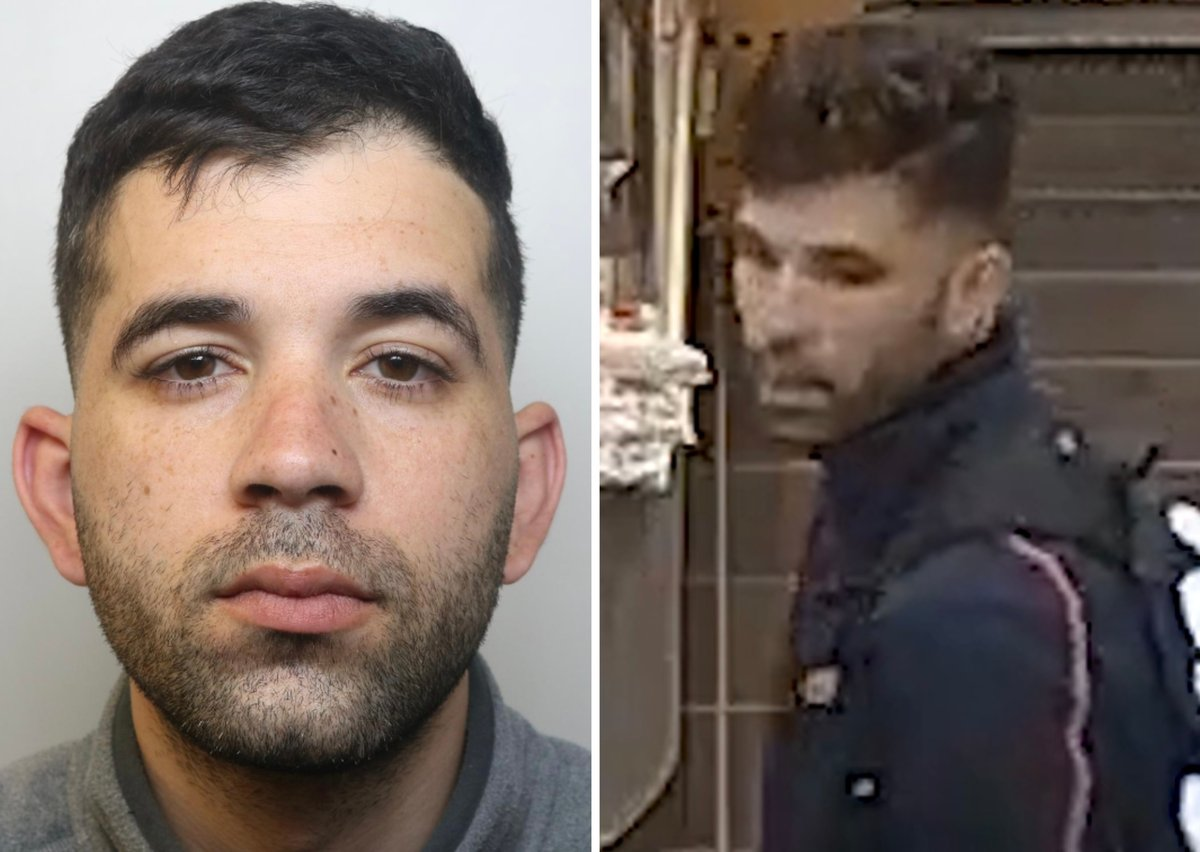
The arrest and sentencing of Adel Kerari has drawn renewed attention to violent robbery on the London Underground and the methods used by organised street crime groups to target commuters. Kerari, aged 27 and from Lisgar Terrace in Hammersmith and Fulham, was identified by British Transport Police as the leading figure in a phone-snatching gang responsible for a series of violent robberies across central and east London in June 2023.
Operating over just 11 days, the group carried out multiple coordinated attacks on lone travellers, often using intimidation and physical violence to steal mobile phones and personal belongings. Although Kerari evaded immediate arrest by leaving the country, investigators continued building their case, ultimately leading to his arrest upon his return to the UK in 2025 and his sentencing in January 2026. His case highlights both the persistence of transport police investigations and the wider impact of such crimes on public safety.
Background and Identification of Adel Kerari
Adel Kerari emerged as a key suspect during a British Transport Police investigation into a string of robberies reported on the London Underground in early June 2023. At the time of the offences, Kerari was 25 years old and living in west London. Investigators believe he played a leading role in organising and participating in the robberies, which involved several other young men acting together across multiple locations.
The crimes followed a consistent pattern that quickly raised concerns among officers. Victims were typically lone travellers, often targeted late at night or in quieter parts of stations and trains. The group moved rapidly between stations, using the Underground network itself to travel and identify new targets. This mobility allowed them to commit offences across a wide geographical area within a short timeframe, including stations such as Holborn, Chancery Lane, Leicester Square, Russell Square, Piccadilly Circus, Notting Hill, Shepherd’s Bush, and Leyton.
Kerari was identified through extensive CCTV analysis, witness statements, and the tracing of stolen property. British Transport Police officers pieced together footage from stations and trains, establishing links between incidents that initially appeared separate. Kerari’s role became clearer as investigators matched his movements and appearance across multiple robbery scenes. Despite this progress, officers discovered in 2023 that Kerari had left the United Kingdom, delaying his arrest and prosecution.
Read : World’s Longest Nail Holder Reveals Daily Challenges: Eating, Working, and More
His absence did not halt the investigation. Police continued gathering evidence, securing convictions against other members of the group in 2023 and 2024. These co-conspirators were sentenced to a combined total of more than 10 years’ imprisonment, reinforcing the strength of the case and narrowing the focus further on Kerari as the remaining suspect. When he returned to the UK in 2025, officers were ready to act.
The 11-Day Crime Spree on the London Underground
The robbery series attributed to Kerari and his associates took place over an 11-day period in June 2023 and involved six confirmed violent robberies, along with attempted offences. The first reported incident occurred on 1 June, setting the tone for the attacks that followed. A woman travelling on a train towards Holborn was cornered by the group. When she managed to leave the train, she was followed through the station towards the escalators. She was pushed from behind, punched in the face, and robbed of her mobile phone and headphones before the attackers fled.
This incident demonstrated several characteristics repeated throughout the crime spree. Victims were followed closely, confronted in confined spaces, and subjected to sudden violence designed to overwhelm them quickly. The use of force was not incidental but appeared deliberate, ensuring compliance and minimising resistance.
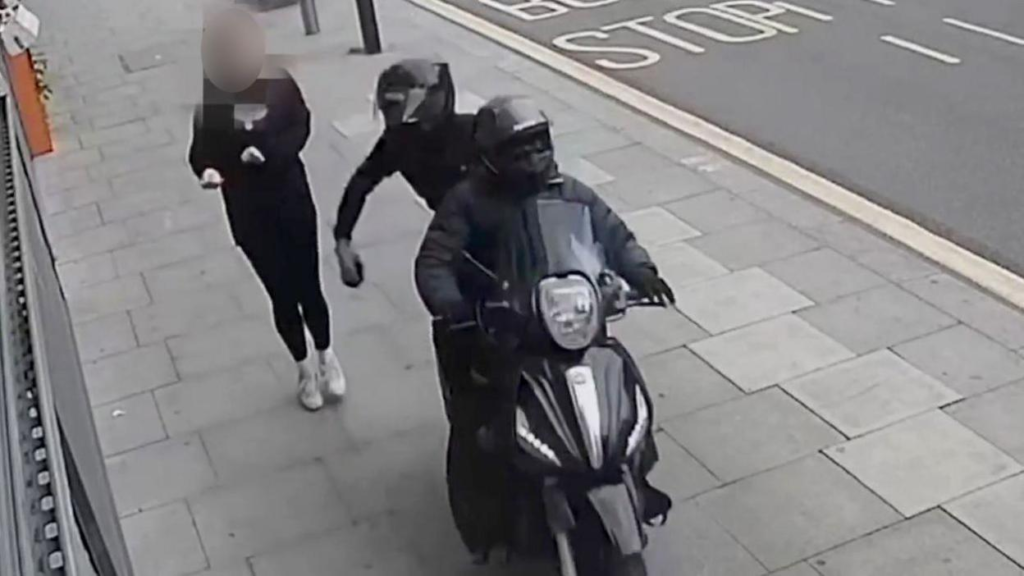
On another night, the group committed two robberies within the space of ten minutes. One victim was robbed at Leicester Square station, after which the group boarded a train and travelled to Russell Square, where they targeted and robbed a second person. This rapid sequence illustrated how the offenders exploited the connectivity of the Underground to strike repeatedly before police could respond.
The final confirmed incident in the series occurred on 11 June at Leyton Underground station. A man was pushed to the ground and attacked before having his phone and wallet stolen. Hours later, his bank card was used at an off-licence, forming the basis for an additional charge of fraud by false representation. Investigators later linked this transaction directly to Kerari and others in the group.
Across all incidents, the group relied on intimidation, threats, and physical assault. The victims were often left shocked and injured, and the crimes contributed to heightened fear among passengers using the network during that period. British Transport Police emphasised that such incidents remain relatively rare compared with overall passenger numbers, but acknowledged the serious impact they have on individuals and public confidence.
Arrest, Sentencing, and Wider Implications
Kerari’s arrest took place on 4 September 2025, nearly two years after the robberies occurred. Upon confirming his return to the UK, British Transport Police officers executed an arrest at an address in west London. Footage later released by police showed Kerari being arrested while lying in bed, a moment intended to underline the inevitability of accountability even after attempts to evade justice.
Read : Mango the Parrot Helps Dismantle Adam Garnett’s Blackpool Drug Gang
He was subsequently charged with six counts of robbery and one count of fraud by false representation. At Inner London Crown Court, Kerari pleaded guilty to all charges. On 9 January 2026, he was sentenced to two years and eight months in prison. The sentence reflected both the number of offences and the level of violence involved, as well as his role within the group.
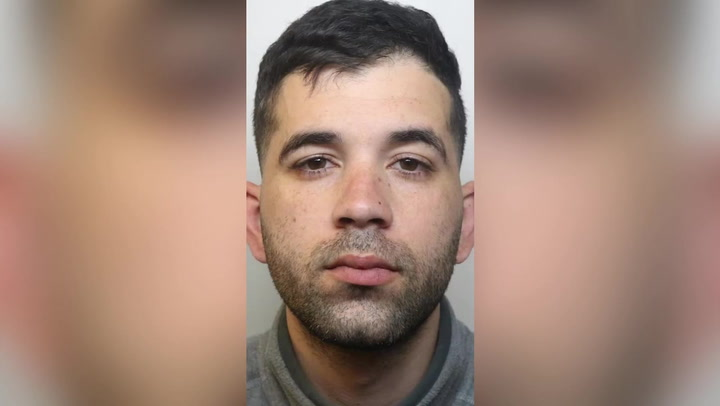
In sentencing Kerari, the court brought the case to a close after several years of investigation and prosecution. Detective Sergeant Tony Gittins of British Transport Police described the group’s actions as cowardly and emphasised that tackling robbery on the Underground remains a top priority. He highlighted the role of extensive CCTV coverage across the rail network, which proved critical in identifying offenders and securing convictions.
The case also illustrates the long-term nature of serious criminal investigations. Although Kerari was initially out of reach, police continued to pursue him, demonstrating that leaving the country does not guarantee immunity from prosecution. His eventual arrest and imprisonment serve as a warning to others involved in similar offences that they may still face consequences long after the crimes are committed.
For commuters, the case reinforces the importance of reporting robberies promptly. British Transport Police advise victims or witnesses to dial 999 if a robbery has just occurred or to speak directly to officers or station staff. Rapid reporting enables officers to deploy quickly, preserve evidence, and increase the chances of identifying suspects.
More broadly, the Kerari case sheds light on the challenges of policing busy urban transport systems while also showing the effectiveness of coordinated investigations, surveillance technology, and persistence. While violent phone snatching remains a concern, authorities continue to stress that the London Underground is a heavily monitored environment and that sustained efforts are underway to deter offenders and protect passengers.