

The serene facade of Capital Mortuary Services in north Austin was shattered when a criminal investigation unveiled grotesque activities occurring behind closed doors.
Adeline Ngan-Binh Bui, a 50-year-old mortuary worker, now faces multiple felony charges after being accused of dismembering corpses to conduct unauthorized experiments and fraudulently obtaining death certificates under another individual’s name.
The allegations, which emerged after a complaint led to an investigation by the Texas Funeral Service Commission (TFSC), have sparked a wave of shock and disbelief throughout Texas and beyond.
Adeline Ngan-Binh Bui surrendered to the Travis County Jail on April 18, following the filing of criminal charges that include one count of state-jail felony abuse of a corpse and five counts of second-degree felony tampering with governmental records with the intent to defraud or harm.
These charges are rooted in a deeply troubling narrative that suggests not only a profound breach of ethical standards but a manipulation of official documents to mask the extent of her alleged actions.
The TFSC investigation initially stemmed from a whistleblower complaint filed by a former employee, who raised concerns about Adeline Ngan-Binh Bui’s misuse of his name to acquire death certificates. The complaint alleged that Bui had carried out experimental procedures on corpses’ arms, including injections of embalming fluids.
The resulting probe revealed that Adeline Ngan-Binh Bui had fraudulently used the man’s identity in 128 instances to file or amend official death records, indicating a pattern of deception and misconduct.
Unauthorized Experiments and Digital Evidence
The depth of the allegations against Adeline Ngan-Binh Bui became even more troubling when Austin Police obtained screenshots from a work computer in December 2023. These screenshots appeared to document a conversation thread titled “Freedom Art Experiment,” which contained photos and commentary regarding the effects of embalming fluids on severed limbs.
Investigators believe this thread was used to catalog and track the results of the unauthorized experiments. According to the arrest affidavit obtained by KXAN, Adeline Ngan-Binh Bui not only used her access as a mortuary employee to dismember corpses but also directed her staff to participate in the procedures.
Read : Watch Video of World’s Smelliest Flower Titan Arum Blooming at the Royal Botanic Garden in London
These experiments reportedly included injecting formaldehyde into dismembered arms and observing the chemical’s long-term effects. In some instances, Adeline Ngan-Binh Bui allegedly had heads, arms, and spines cut from the bodies, all while acting under the authority of her licensed role within the facility.
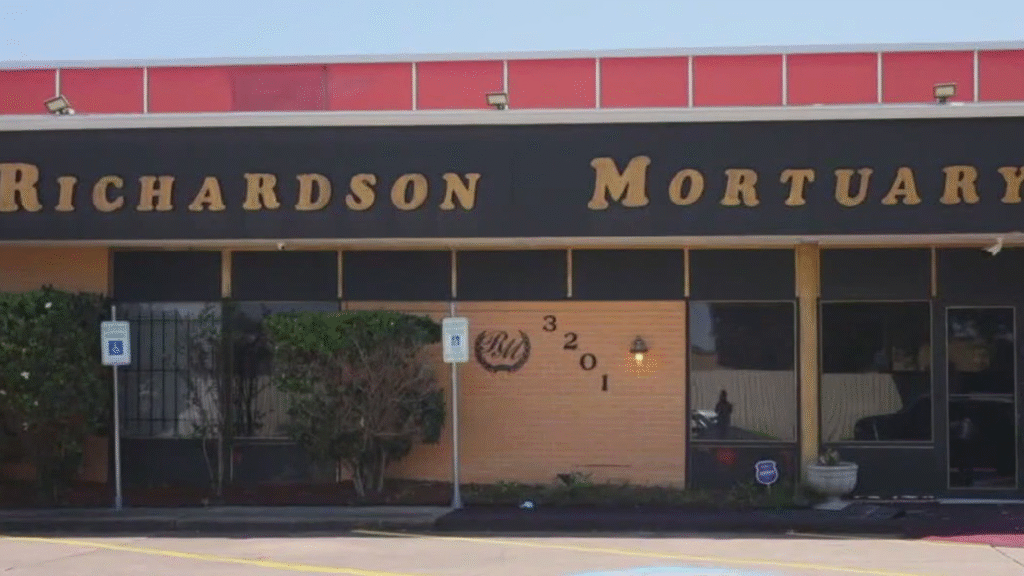
What made the case even more disturbing was the revelation that these dissected and experimented body parts were later cremated, effectively erasing the physical evidence of the acts. Investigators noted that the body parts were placed into the crematory retort in their disturbed state, which further underscores the depth of the alleged ethical violations committed under Bui’s supervision.
Partnership with Medical Organizations and Legal Responses
The investigation also revealed that Bui collaborated with a medical-training company, MedtoMarket, in the execution of her experimental activities. While the company denied any involvement in experimental testing, its CEO acknowledged that Capital Mortuary had been embalming limbs to assess their preservation, suggesting a blurred line between educational practice and unauthorized experimentation.
In a formal statement to KXAN, MedtoMarket stated it was aware of the allegations involving Capital Mortuary Services and expressed its willingness to cooperate fully with law enforcement and regulatory bodies. The statement emphasized that the organization is committed to ethical medical education and that any violations of this standard would not be condoned.
Adeline Ngan-Binh Bui’s legal representation has argued that the case is far more complex than it may appear at first glance. Her attorney, Jessica Huynh of the Smith and Vinson Law Firm, cautioned the public against rushing to judgment.
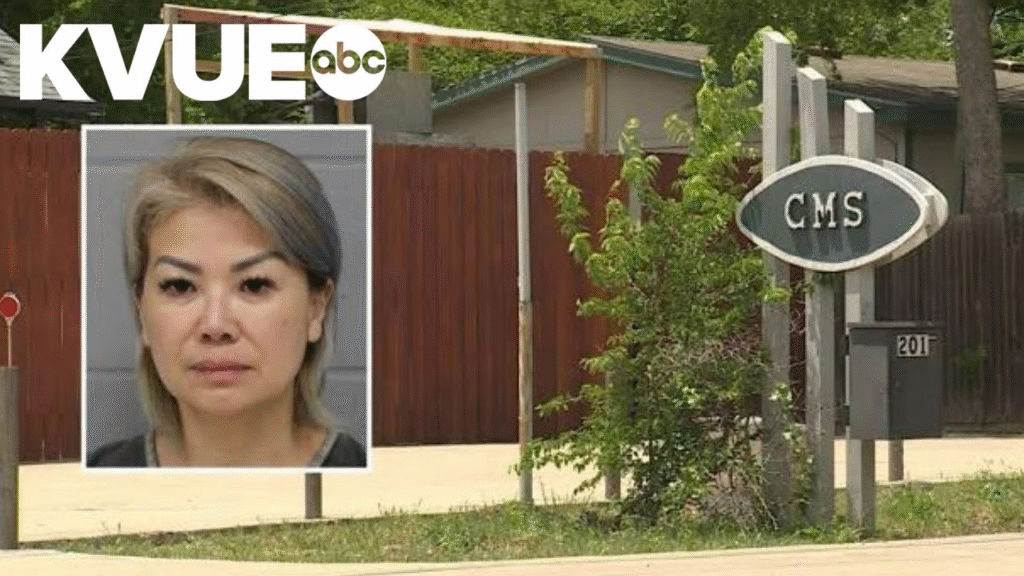
She described the situation as one involving “complexities that are not immediately apparent and should not be sensationalized.” According to Huynh, the legal team is dedicated to ensuring that Bui receives a fair trial and that her side of the story is fully considered in court.
As of now, Bui is out on bond, and the case remains under investigation by local law enforcement and regulatory agencies. Her arrest has raised serious questions about oversight in the funeral service industry and the ethical boundaries of scientific inquiry involving human remains.
Public Reaction and Implications for the Funeral Services Industry
The allegations against Adeline Ngan-Binh Bui have sparked widespread public outrage and disbelief, particularly in the communities served by Capital Mortuary Services. Families entrusting their deceased loved ones to professional care now face the horrifying possibility that those remains may have been desecrated for experimental purposes without consent. This betrayal of trust has prompted calls for stricter oversight and regulatory reforms within the funeral industry.
Experts in mortuary science and ethics have weighed in on the controversy, with many noting that while embalming and body donation for medical study are standard practices, they must be performed under strict ethical guidelines and with proper consent. Unauthorized experimentation, particularly in a commercial mortuary setting, violates these standards and undermines public trust.

Furthermore, the case highlights potential vulnerabilities in the systems used to issue and amend death certificates. Bui’s alleged use of another person’s identity in over a hundred instances raises red flags about the safeguards in place to prevent fraud and misuse. Authorities may soon face increasing pressure to reevaluate and tighten these processes.
This incident has also drawn attention to the intersection of private mortuary services and medical training institutions. While cooperation between these entities can provide valuable educational opportunities, it also necessitates rigorous protocols to ensure transparency, informed consent, and respect for human dignity. When such protocols are bypassed, the consequences can be devastating, both for the individuals involved and the broader community.
The legal proceedings against Adeline Ngan-Binh Bui will undoubtedly be closely watched in the coming months, as they may set a precedent for how similar cases are handled in the future. For now, the focus remains on seeking justice for the alleged victims and restoring faith in an industry built on respect, dignity, and care for the deceased.
This case serves as a grim reminder that ethical breaches in even the most solemn of professions can lead to profound public harm. It underscores the need for continuous vigilance, accountability, and reform—particularly in industries tasked with handling the most vulnerable and sacred aspects of human life and death.