
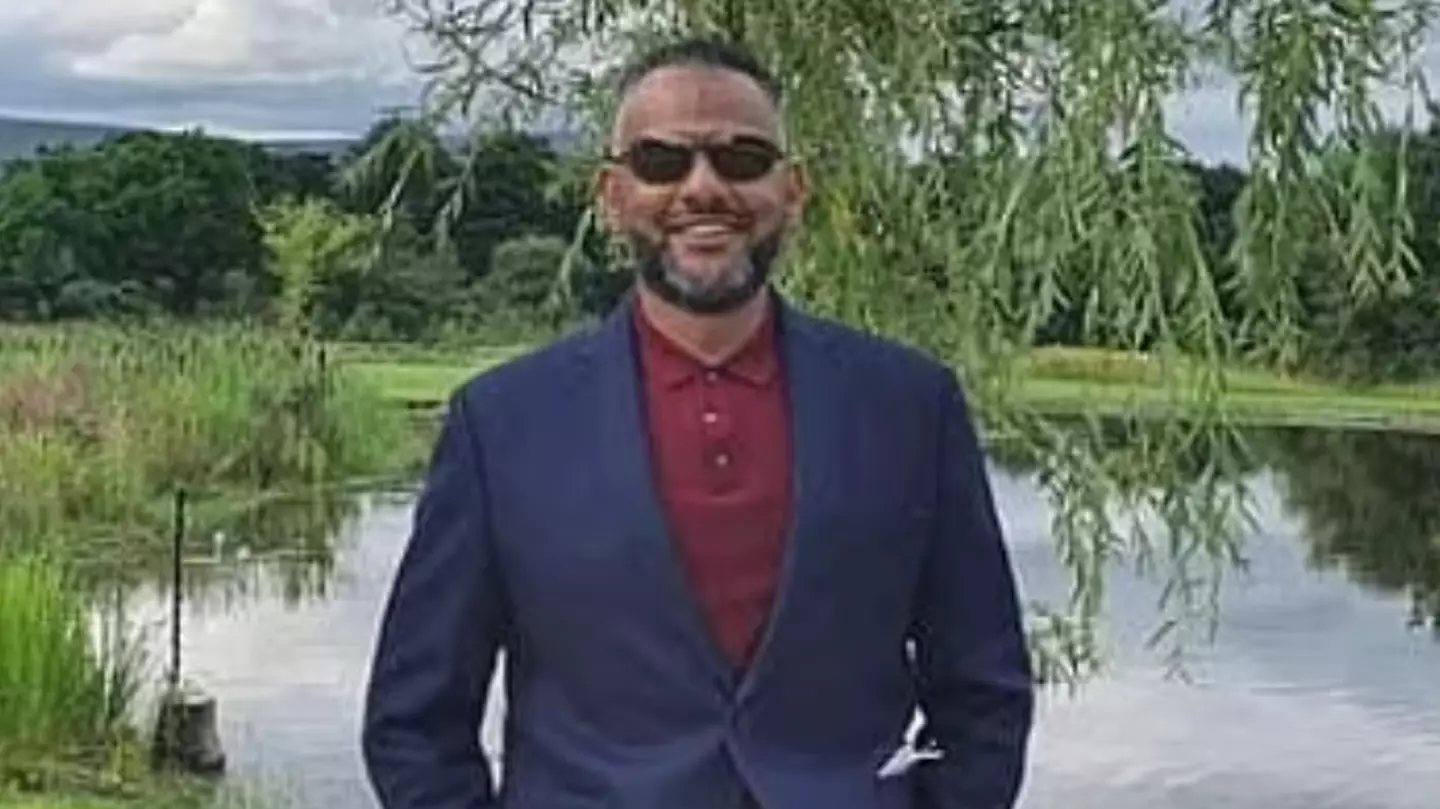
In a case that has sparked international concern and highlighted the stringent control over digital expression in Saudi Arabia, Ahmed al-Doush, a 41-year-old British citizen of Sudanese heritage, has been sentenced to a decade in prison. The charges stem from a now-deleted tweet he posted in 2018, which reportedly did not even mention Saudi Arabia, and his alleged association with the son of a Saudi critic in exile.
This incident underscores the growing crackdown on social media dissent in the kingdom, raising serious questions about freedom of expression, due process, and the role of international governments in advocating for their citizens detained abroad. Al-Doush’s ordeal, which began during a family holiday in August 2024, has left his wife and four children in Manchester grappling with emotional and financial hardship, while human rights organizations like Amnesty International and Reprieve demand his immediate release.
A Family Holiday Turned Nightmare
Ahmed al-Doush, a senior business analyst at Bank of America, was detained on August 31, 2024, at King Khalid International Airport in Riyadh as he prepared to return to Manchester with his pregnant wife, Amaher Nour, and their three children after a family holiday. What was meant to be a routine departure turned into a harrowing ordeal when plainclothes officers stopped him at passport control. Initially, his wife believed it was a visa issue, as al-Doush reassured her to board the flight to Turkey, their transit stop, with the children, promising to join them shortly.
However, once the family reached Manchester, they learned he had been imprisoned in al-Hair Prison, a maximum-security facility in Riyadh. For over two months, al-Doush’s family had no contact with him, and Saudi authorities provided no explanation for his detention, effectively amounting to an enforced disappearance under international law. He endured 33 days in solitary confinement and was denied access to consular services or legal representation during this period.
Amaher Nour, who gave birth to their fourth child, Youssef, in December 2024 while her husband was detained, described the emotional toll: “The night-time is an empty void where I question over and over why this has happened to us.” The lack of clarity about his arrest plunged the family into distress, compounded by al-Doush’s chronic thyroid condition and back issues, which have worsened in the overcrowded, unhygienic prison conditions.
Read : Catastrophe! 360 Degrees Thrill Ride Snaps in Half at Saudi Arabia’s Green Mountain Park
The charges against al-Doush were not revealed until months later, when Amnesty International reported that he was accused of “spreading fake, untrue, and damaging news” on social media and having ties to an individual threatening Saudi Arabia’s national security.
Read : Syria Resumes Saudi Flights After 12 Years of Suspension
His family believes the primary accusation relates to a 2018 tweet about the political situation in Sudan, which provided military support to Saudi Arabia in its conflict with Yemen. The tweet, posted to an account with only 37 to 41 followers and subsequently deleted, reportedly contained no mention of Saudi Arabia. The second charge appears linked to his acquaintance with the son of a Saudi critic in exile, though his family insists he had no political affiliations or discussions with this individual.
A Trial Marred by Injustice
Al-Doush’s trial, conducted in Saudi Arabia’s Specialised Criminal Court, has been widely criticized for multiple violations of due process and fair trial rights. According to human rights organizations, he was subjected to extensive interrogations without a lawyer present and was not promptly informed of the charges against him.
His access to legal counsel was severely restricted; he was assigned a state-appointed lawyer who, after his sentencing on May 12, 2025, informed Amaher Nour of the 10-year sentence but could not specify the exact offense. This lack of transparency has left even the UK Foreign Office unclear about the precise nature of the charges, a fact that has drawn sharp criticism from al-Doush’s family and advocates.
Haydee Dijkstal, al-Doush’s UK-based lawyer from 33 Bedford Row Chambers, emphasized the incompatibility of his detention with international human rights standards: “Online expression, even if expressing concern or criticism of a government, should not be criminalised or lead to detention and imprisonment. Using anti-terrorism legislation to punish and repress online expression on social media with severe prison sentences is inconsistent with international law.”
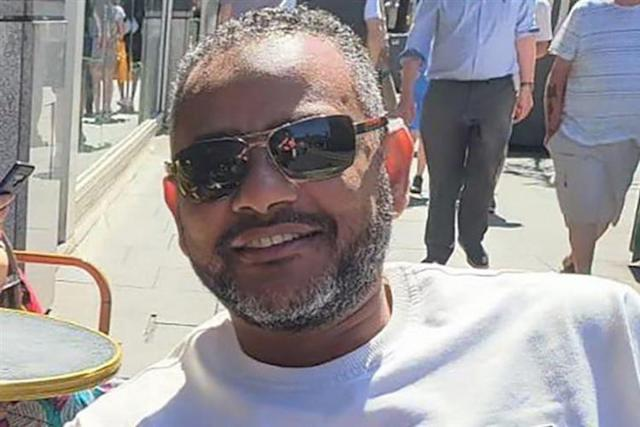
The trial process was further tainted by al-Doush’s prolonged solitary confinement, restricted communication with his family, and reported “punishments” for attempting to discuss his case or prison conditions during monitored calls. In April 2025, he told his wife that prison authorities instructed him to limit conversations to checking in with his family, threatening termination of calls and further penalties for discussing his detention.
Amnesty International and Reprieve have condemned the sentence, with Sacha Deshmukh, Amnesty International UK’s Chief Executive, stating, “Ahmed al-Doush has been trapped in a living hell – abducted and separated from his young family and detained in Saudi Arabia.”
The organizations argue that if al-Doush is detained solely for exercising his right to free expression, he must be released immediately and unconditionally. The lack of access to court documents or details about the offending tweet has further fueled concerns about the opaque nature of Saudi Arabia’s judicial system, particularly its use of anti-terrorism and cybercrime laws to target online dissent.
The timing of the sentencing, during a visit by US President Donald Trump to Saudi Arabia, has drawn attention to the kingdom’s pattern of detaining individuals with Western ties for social media activity perceived as critical of Crown Prince Mohammed bin Salman.
This case echoes that of Saad Almadi, a Saudi-American jailed for 19 years in 2021 over tweets posted from the United States, who was released in 2023 but remains barred from leaving Saudi Arabia. The broader crackdown highlights the risks of digital expression in an increasingly monitored environment, where even a deleted tweet with minimal reach can lead to severe consequences.
A Family’s Plea and the UK’s Response
Amaher Nour has been vocal about the devastating impact of her husband’s detention on their family. With al-Doush as the sole breadwinner, his absence has pushed the family into financial hardship, forcing Nour to rely on food banks. Their children, including their youngest daughter who recently fell ill and tearfully asked for her father on her birthday, are struggling to cope with his absence. “No words can express the heartbreak of raising four children alone while their father is unjustly imprisoned,” Nour said.
She has expressed particular concern about al-Doush’s health, noting his thyroid problems and increasing mental distress, especially after reports that he is contemplating a hunger strike to protest his conditions.The UK government’s response has been a point of contention. While the Foreign, Commonwealth and Development Office (FCDO) has stated it is supporting al-Doush and remains in contact with his family and Saudi authorities, critics argue that its efforts have been inadequate.
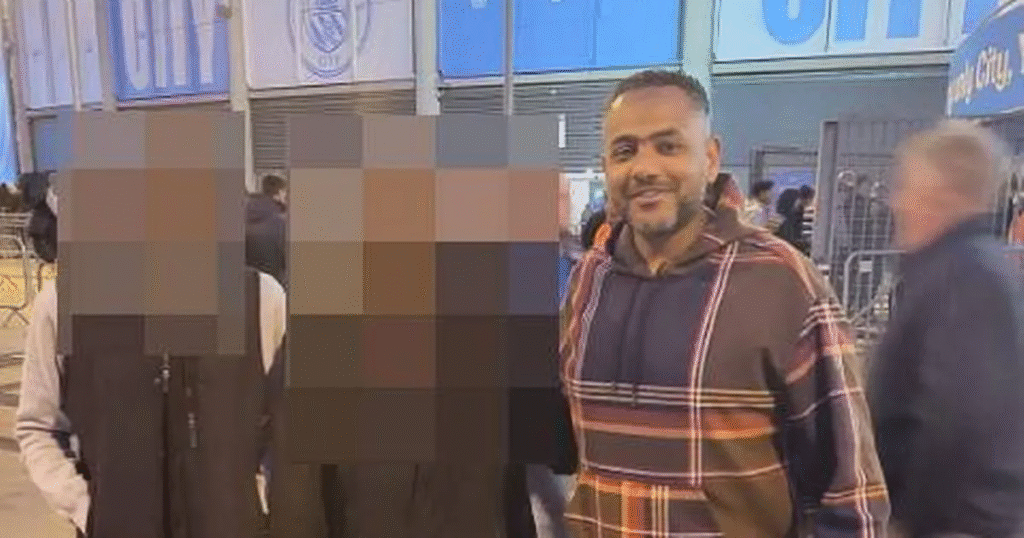
A Foreign Office official, responding to a letter from Reprieve in April 2025, stated that the UK “cannot interfere in another country’s legal processes” and cannot secure the release of British nationals from foreign jails. However, the official confirmed that Foreign Secretary David Lammy is aware of the case and that UK officials have raised concerns about al-Doush’s detention conditions with Saudi authorities. Nour has accused the FCDO of treating her husband as “just another statistic,” urging stronger diplomatic action to secure his release.
Human rights groups have echoed this call, with Jeed Basyouni of Reprieve stating, “Ahmed’s case underscores that something is seriously wrong with the UK Government’s approach to its citizens arbitrarily detained abroad.” The lack of consular access—al-Doush received only three visits since his arrest—and restricted family communication have further fueled criticism.
In January 2025, his weekly calls with his wife were interrupted, and he now faces sporadic contact under strict surveillance. The UK’s limited intervention has left al-Doush’s family and advocates frustrated, particularly as his sentence was recently reduced to eight years, offering little relief given the severity of the punishment and ongoing health concerns.
The case of Ahmed al-Doush serves as a stark reminder of the perils of digital expression in Saudi Arabia, where even a forgotten tweet to a small audience can lead to a decade in prison. It also raises broader questions about the responsibilities of governments like the UK to protect their citizens abroad, especially when faced with arbitrary detention and violations of international human rights standards.
As al-Doush remains in al-Hair Prison, separated from his family and battling deteriorating health, his wife and children continue to plead for justice, hoping for his safe return to Manchester. The international community, including human rights organizations, remains vigilant, urging Saudi authorities to uphold fair trial rights and release al-Doush if his detention is solely for exercising his right to free expression.