
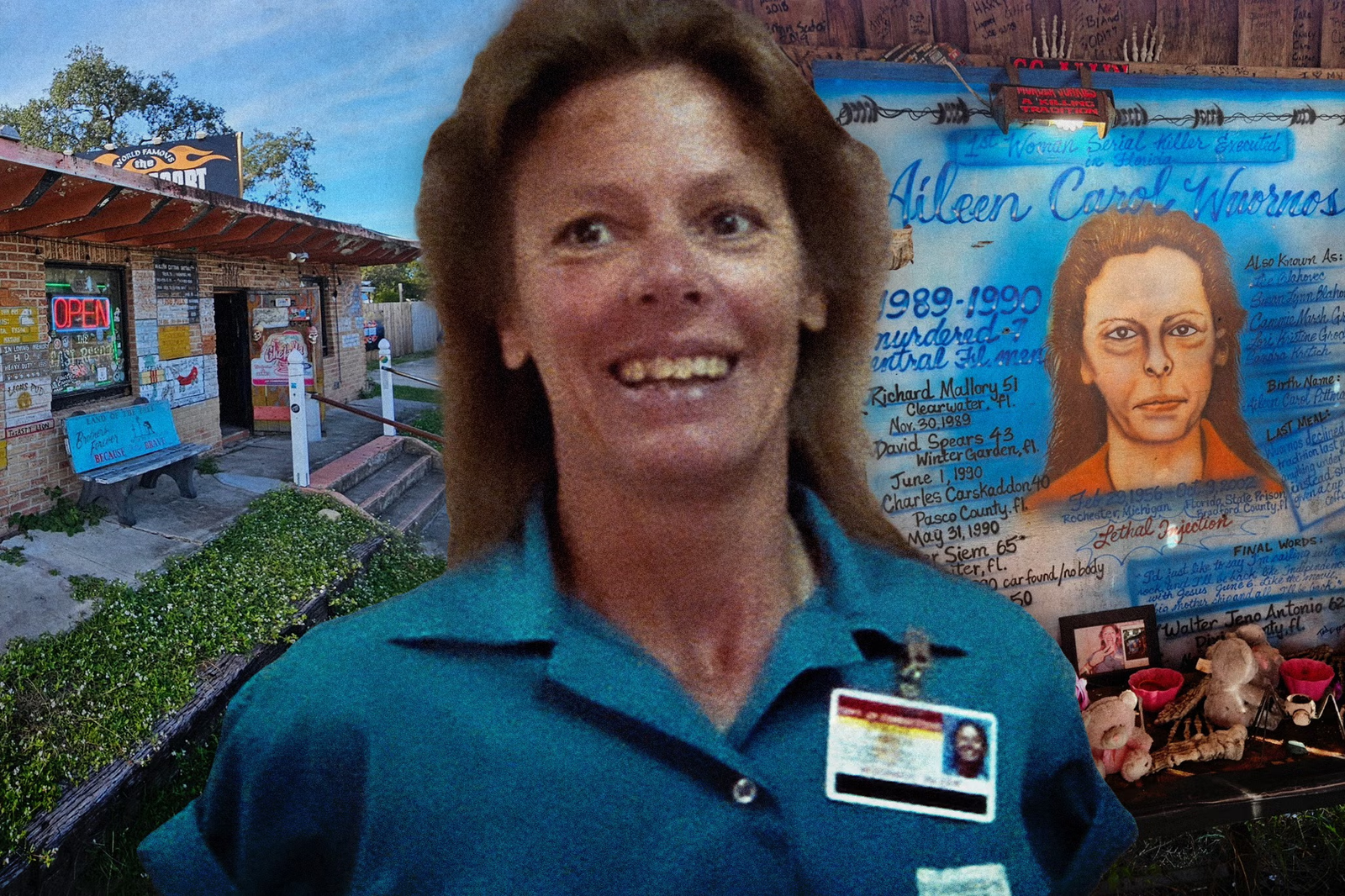
The story of Aileen Wuornos has long occupied a complex place in American true-crime history. Often cited as one of the few confirmed female serial killers in the United States, Wuornos’ life and crimes have been depicted in film, television, literature, and now once again in documentary form. Yet behind the sensationalism lies a narrative shaped by trauma, exploitation, violence, and the social conditions of the late twentieth century.
With the release of Netflix’s new documentary Aileen: Queen of the Serial Killers, her story has re-entered public conversation, drawing renewed attention to both the facts of her crimes and the cultural mythology that formed around her. The film revisits her final years before execution, offering rare interviews conducted inside prison and new contextual material that attempts to understand the person behind the tabloid image. Meanwhile, the Florida bar where she was arrested continues to attract visitors, reflecting society’s continued fascination with Wuornos’ legacy.
From Trauma to Violence
Aileen Carol Wuornos was born in Michigan in 1956 into circumstances marked by severe instability. Her mother, herself only sixteen when Wuornos was born, abandoned Aileen and her brother soon after their birth. Their father, Leo Wuornos, was convicted of sexual assault against a minor and later died by suicide in prison. The children were adopted by their grandparents, but the household environment was volatile, characterized by alcoholism, conflict, and emotional neglect. Wuornos later described her early years as defined by abandonment and survival, a time that shaped her worldview and her understanding of relationships.
By the age of fifteen, Wuornos was pregnant after becoming involved in a coercive sexual encounter. The child was placed for adoption, and shortly thereafter she was forced to leave her grandparents’ home. Homeless and alone, she began traveling across the country, engaging in sex work to pay for food, shelter, and transportation. Her transient lifestyle led her to Florida, where she lived in motel rooms, wooded encampments, and roadside communities.
During the 1980s, she was arrested multiple times for theft, fraud, and disorderly conduct. Her personal relationships were unstable, but one connection would profoundly shape the trajectory of her life. In 1986, she met Tyria Moore at a bar in Daytona Beach. The two entered a long-term domestic relationship, and Wuornos sought to support them financially through sex work along Florida’s highways.
Read : Growler Pines Tiger Preserve Owner Ryan Easley Mauled to Death by Tiger During Oklahoma Performance
It was during this period, between 1989 and 1990, that Wuornos shot and killed seven men: Richard Mallory, David Spears, Charles Carskaddon, Troy Burress, Charles Humphreys, Peter Siems, and Walter Antonio. All were motorists who picked her up while she was hitchhiking. Wuornos claimed that at least one of the killings was an act of self-defense in response to rape and assault.
TW: sexual assault
— 🔻Wear a Mask 🍉 (@whorriblytired) January 15, 2022
I've been talking about Aileen Wuornos and now I want to let her speak for herself
She's had too many people speak for her
So here's a thread from her first interview since being put on death row pic.twitter.com/8RnXY7mLm4
Notably, Mallory, her first known victim, had previously been convicted of attempted sexual violence. However, the pattern of subsequent killings and the theft of the victims’ belongings contributed to the prosecution’s successful argument that the murders were premeditated acts of robbery and violence, not solely responses to immediate threats.
Cultural Fascination and the Florida Bar That Became a Landmark
On January 9, 1991, undercover detectives arrested Aileen Wuornos at The Last Resort, a biker bar in Port Orange, Florida, just south of Daytona Beach. The bar remains a functioning establishment to this day, and Wuornos’ presence is still palpable. A framed copy of her mugshot hangs behind the bar, shirts bearing her image are sold to visitors, and a painted tribute lists the names of the men she killed. The establishment, which once served as an ordinary roadside tavern, has become an unconventional place of pilgrimage for true-crime enthusiasts, travelers, bikers, and curious visitors from around the world.
The owner of the bar, Al Bulling, has operated the business for more than three decades and knew Wuornos personally. He has acknowledged that the notoriety surrounding Wuornos continues to attract visitors and has kept her memory alive. Many patrons describe the visit as surreal, noting that the bar preserves its original layout, atmosphere, and furnishings. The effect is one of time standing still, with Wuornos’ last days before arrest suspended in cultural memory.
This ongoing fascination signals a broader cultural interest in women who commit acts of extreme violence. Wuornos’ case challenges conventional assumptions about gender and criminality. Historically, narratives of serial murder have been dominated by male offenders, and when women do kill, their actions are often framed within domestic contexts or relational disputes. Wuornos did not fit these patterns. She operated independently, targeted strangers, used a firearm, and maintained a mobile lifestyle. As a result, her case demanded a reevaluation of how society interprets violence by women.
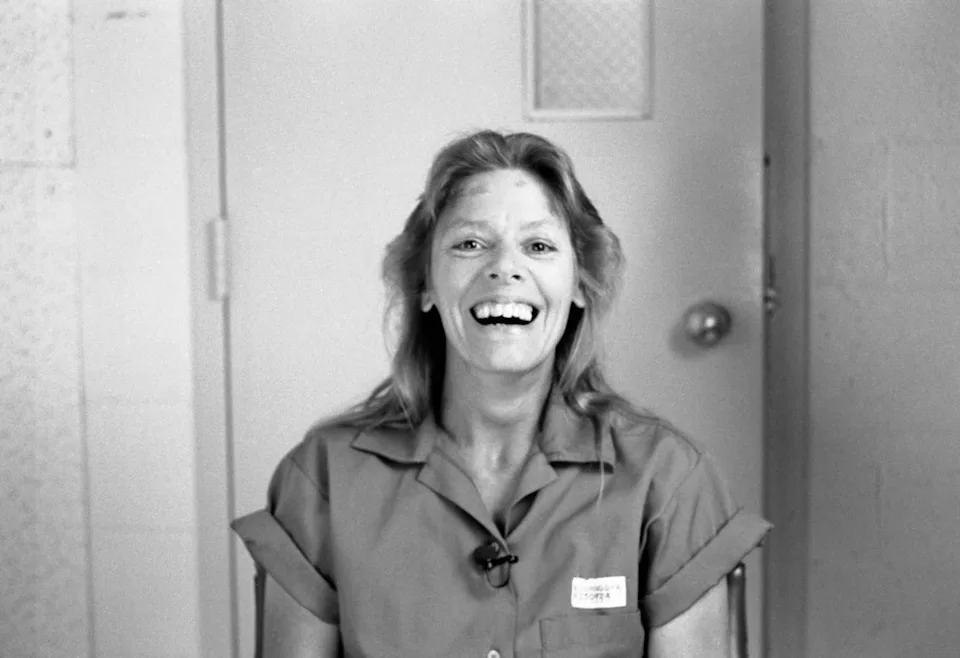
Hollywood’s engagement with her story most notably materialized in the 2003 film Monster, for which Charlize Theron received an Academy Award for Best Actress. The film emphasized the emotional and psychological dimensions of Wuornos’ life, portraying her as a tragic figure shaped by systematic trauma. While praised for its performance and narrative depth, the film also contributed to ongoing debates regarding the line between humanizing offenders and excusing violence.
The Last Resort bar’s continued popularity reveals how Aileen Wuornos’ legacy has been absorbed into a form of cultural folklore. Visitors who come only to see a “serial killer landmark” often find themselves confronted with a more complicated environment, where tragedy, myth, and history intersect. Some patrons leave with a sense of discomfort rather than novelty, recognizing the gravity of the events memorialized within the bar’s walls.
Revisiting the Story Through Netflix’s Queen of the Serial Killers
Netflix’s documentary Aileen: Queen of the Serial Killers seeks to recontextualize Wuornos’ case by drawing on previously unseen interviews, archival footage, and personal recordings. Directed by Emily Turner, the documentary incorporates a 1997 prison interview conducted by artist and filmmaker Jasmine Hirst, supplemented by newly compiled evidence and analysis. This firsthand material offers insight into Wuornos’ mental and emotional state during her final years.
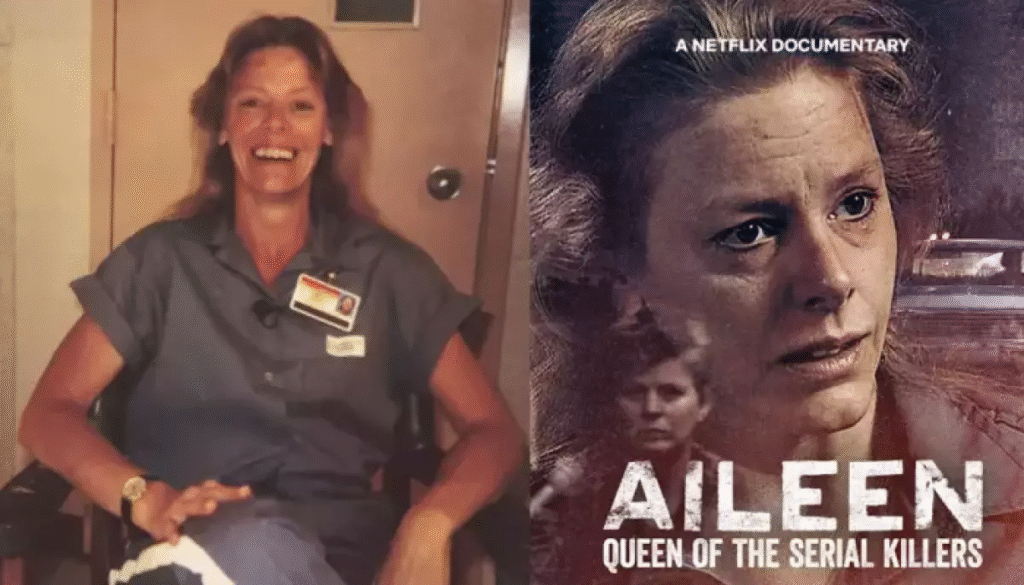
Throughout the documentary, Wuornos asserts that she was not inherently a serial killer but became one through the accumulation of trauma, violence, and psychological strain. She describes herself as emotionally broken, disoriented, and exhausted by the danger and instability of her life. She also expresses ambivalence regarding her public image, suggesting both resentment toward the sensationalism surrounding her case and an awareness of the infamy it produced. Her narrative reveals a person who experienced profound trauma, made catastrophic decisions, and eventually existed in a state of psychological collapse.
Legal experts and mental health professionals featured in the documentary revisit the discussions that occurred during her trial. Psychiatrists argued that Aileen Wuornos exhibited signs of borderline personality disorder and severe trauma-related mental instability. Yet the prosecution emphasized the premeditated nature of her crimes and the pattern of financial gain associated with them. Ultimately, the court sentenced Wuornos to death, and she spent more than a decade on death row before her execution in 2002. Her final words referenced a belief in a cosmic return, reflecting a worldview shaped by both despair and conviction.
The documentary does not present Wuornos as innocent, nor does it deny the suffering of her victims and their families. Instead, it attempts to present a fuller account of a life shaped by systemic neglect, violence, and survival at any cost. In doing so, the film invites viewers to consider not only what Aileen Wuornos did, but also how society contributed to the conditions that shaped her path.
The release of Aileen: Queen of the Serial Killers arrives at a moment when true crime media continues to attract substantial viewership. Yet this renewed attention also offers an opportunity for critical reflection. Wuornos’ story forces difficult questions about the intersections of trauma, agency, gender, and crime—questions that resist simple conclusions.