
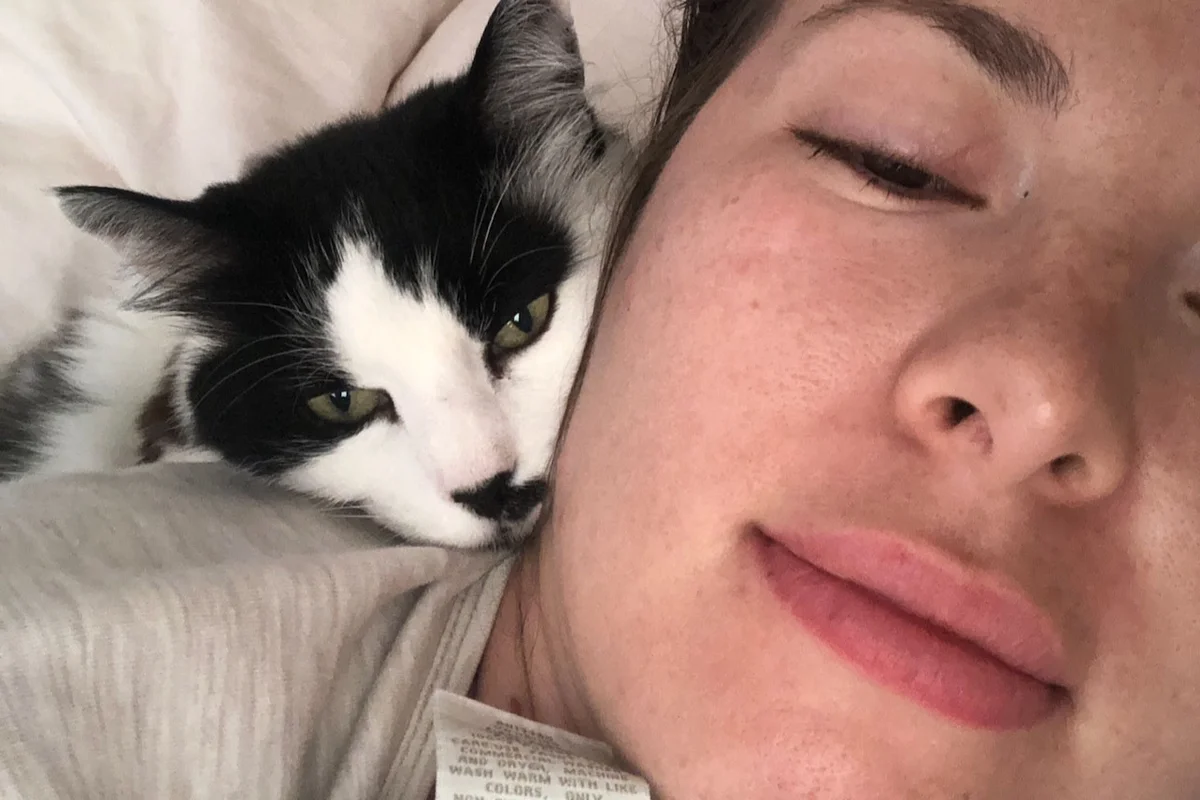
In an extraordinary saga that blends friendship, legal ambiguity, emotional attachment, and the unwavering love of a pet parent, a woman from New York City has finally won back custody of her cat—after nearly two years of legal fighting against someone she once considered a close friend. Aliya Zaydullina, who now lives in Fort Lauderdale, Florida, endured an emotionally and financially draining ordeal to reclaim her 15-year-old feline, Liza.
What was meant to be a temporary favor turned into a courtroom drama that saw personal relationships dissolve and pet custody debated at the highest emotional stakes. The story is not only bizarre—it reflects a growing number of legal battles across the country where animals are no longer just “property” but emotional companions worth fighting for.
A Favor That Turned into a Fiasco
It all began in September 2022 when Aliya Zaydullina asked her then-friend, Maria Senichkina, to care for her cat, Liza, while she visited her ill mother in Russia. Zaydullina, who had owned Liza since adopting her from a Brooklyn shelter in 2013, expected the arrangement to last only a month. However, her stay in Russia was extended due to family matters, and she asked Senichkina to keep Liza a little longer. What Zaydullina thought was a simple extension of a favor quickly turned into a nightmare.
Senichkina insisted that during this conversation, Zaydullina had agreed to give her the cat permanently—a claim Zaydullina vehemently denies. There was no written record or formal contract to support either version of the agreement, which only complicated the situation as tensions escalated. When Zaydullina returned to the U.S., she attempted to reclaim her beloved pet, but Senichkina refused, stating she had invested too much time and money into the cat’s care.
Read : Japan Passes Landmark Law Allowing Joint Custody for Divorced Parents for the 1st time
Liza, a senior cat at 15 years old, remained in Senichkina’s custody as Zaydullina began what would become a legal battle spanning nearly two years. Despite numerous efforts to resolve the matter outside the courtroom, no progress was made. The friendship that once held trust and support now soured into silence and legal hostility.
A Judge Weighs Welfare, Ownership, and Friendship
The legal case, which played out in Manhattan Civil Court, brought attention to how American courts are increasingly dealing with disputes involving animals in a way similar to child custody cases. Judge Wendy Li, who presided over the matter, was tasked with considering not just who legally owned Liza, but who had her best interests at heart. The court reviewed the women’s respective histories with the cat, assessed their testimonies, and examined whether any agreement of ownership transfer was made.
Read : Maurizio Cattelan Disappointed That Visitor Ate $6.2M Banana Artwork But Not the Peel or Tape
In her ruling, Judge Li emphasized that while Senichkina had clearly developed a strong bond with Liza over the two and a half years, this did not override the fact that Aliya Zaydullina had owned and cared for the cat for the prior ten years. The judge concluded that there was no evidence of abandonment and that Zaydullina had remained Liza’s legal owner throughout the ordeal.
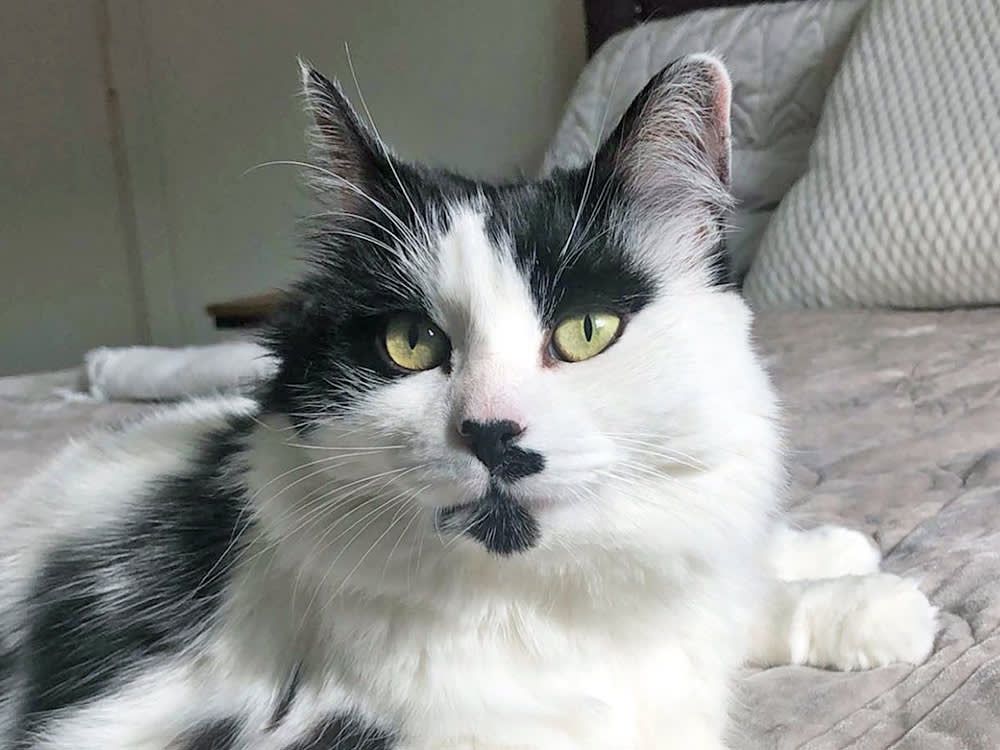
Adding another layer of complexity, the judge also ruled that Zaydullina must reimburse Senichkina for the cost of caring for Liza between September 2022 and May 2023—expenses that reportedly included veterinary bills and other pet-related costs. According to Aliya Zaydullina, she always intended to repay these expenses and had never abandoned her responsibilities as a pet owner.
The most unique element of the ruling, however, was the court’s recommendation that Senichkina be allowed to maintain some form of relationship with Liza, mirroring joint custody arrangements common in cases involving children. Judge Li suggested that the parties should find a way for Senichkina to continue being part of Liza’s life “in some capacity,” acknowledging the emotional bond she had formed with the cat during the prolonged care.
Still No Reunion—And the Clock is Ticking
Despite the ruling on July 11, Zaydullina and Liza have yet to be reunited. According to Zaydullina, she contacted Senichkina on July 16—just one day after the court mailed the ruling—to arrange a handover. As of July 24, she had received no response. Senichkina, on the other hand, told Gothamist that she and her legal team had not yet formally received the court’s ruling, which legally gives her until October 1 to return the cat.
Aliya Zaydullina remains hopeful but cautious. She shared that she had set a personal deadline of July 26, hoping to hear back from Senichkina and finally hold her pet again. The emotional toll, she said, has been immense. “It’s like part of you is just taken away from you without your permission,” she told The Independent. In addition to the emotional distress, the financial burden has been staggering. Repeated trips from Fort Lauderdale to New York City, legal fees, and temporary accommodations have cost her thousands of dollars.
The case has also damaged her ability to communicate with Senichkina, who she claims has blocked her on all platforms, including LinkedIn. Despite all of this, Aliya Zaydullina says she is open to reestablishing communication—if some trust can be restored.
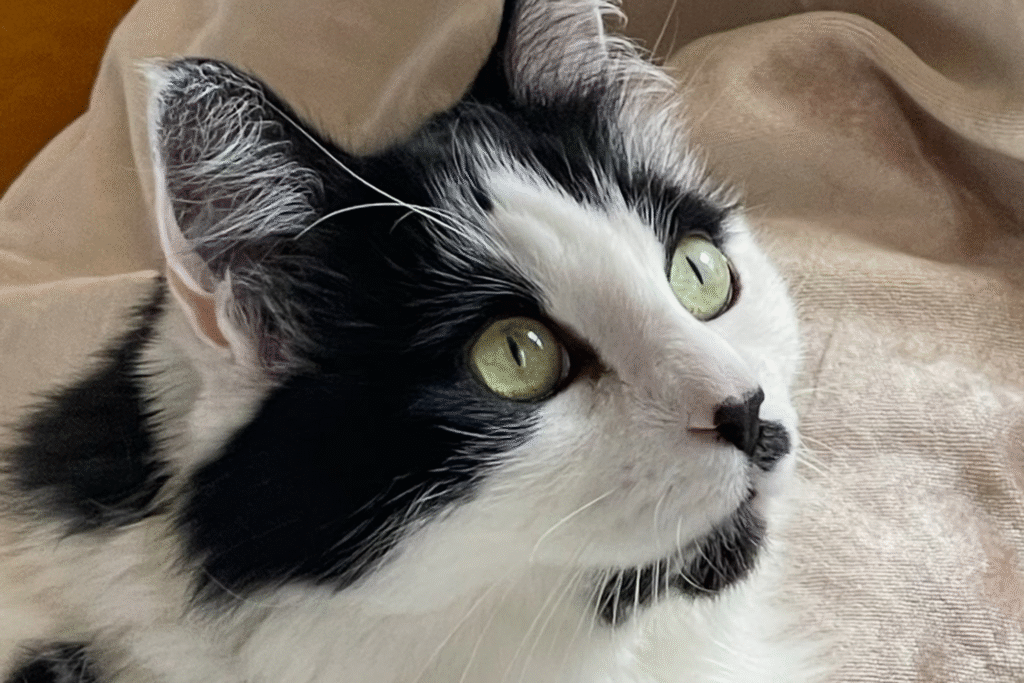
Meanwhile, Senichkina maintains that the entire ordeal could have been avoided. In an email, she expressed regret for ever agreeing to the pet-sitting arrangement, stating she never would have agreed to care for a cat for seven months. She claimed she had poured in hundreds of hours and thousands of dollars into caring for Liza, and felt this demonstrated her belief that the arrangement was permanent.
Still, with no signed document, Senichkina had no legal footing to prove that Liza had been gifted to her. Time and care alone, it seems, were not enough to override legal ownership established by adoption and a decade of history.
The case of Aliya Zaydullina and Liza is more than a dispute over pet custody—it is a story of friendship gone wrong, legal grey areas, and the enduring bond between humans and animals. It serves as a cautionary tale for pet owners who entrust their animals to friends or acquaintances without written agreements. What may begin as a simple favor can snowball into years of emotional, legal, and financial turmoil.
As of now, Liza remains in the custody of Maria Senichkina, and Aliya Zaydullina waits anxiously to bring her beloved pet home. Whether Senichkina will comply with the ruling without further resistance remains to be seen. But for Zaydullina, the court victory is bittersweet—justice has been served on paper, but the reunion she has longed for is still pending.
One thing is clear: for many people, pets are not just animals—they are family. And in a world where legal definitions of ownership are evolving, the battle for custody can be just as grueling, emotional, and deeply personal as any fight over a child.