

The world of cosmetic surgery has once again been shaken by a tragic incident involving a young woman who lost her life under circumstances that have prompted a flood of questions, grief, and growing scrutiny. Ana Barbara Buhr Buldrini, a 31-year-old model and content creator from Brazil, traveled to Turkey with her husband, Elgar Sueia, to celebrate their honeymoon.
But what was meant to be a joyful beginning to their married life ended in unimaginable sorrow. Ana reportedly accepted a promotional cosmetic surgery offer—free liposuction in exchange for social media advertising—which led to a fatal outcome mere hours after the procedure. Her sudden death has highlighted a dangerous trend: the intersection of medical tourism, influencer marketing, and lax procedural standards.
A Honeymoon Turned Into Horror
Ana Barbara Buhr Buldrini and her husband Elgar had just begun their honeymoon in Istanbul, a city increasingly known for its growing cosmetic surgery industry. At some point during their stay, Ana reportedly accepted an offer from a local clinic to undergo free liposuction in exchange for promoting the clinic on her social media platforms.
This kind of deal has become more common in recent years, as influencers with significant followings are frequently approached by medical facilities seeking publicity in return for discounted or free procedures.
Though Ana had originally planned her surgery for a later date, reports suggest that she was suddenly called in ahead of schedule. What made the timing particularly alarming is that she had consumed food and alcohol the night before—a clear violation of pre-operative protocols which typically require patients to fast for a number of hours before undergoing general anesthesia.
Elgar later confirmed that both he and Ana were aware of this restriction, but they were caught off guard by the early scheduling. Elgar recounted that he was told Ana was being moved to another unit for tests.
Read : OnlyFans Model Kelli Tedford Arrested for Urinating on Bible in Marriott Hotel Room
Later that night, the clinic sent him a video showing her unconscious but described her as stable. He was reassured that she was merely sleeping and that he could visit her within a few hours. But the next morning, when Elgar returned to the clinic, he walked into a scene of chaos—police officers were outside, staff were crying, and no one would provide a clear explanation of what had happened to his wife.
A modelo Ana Bárbara Buldrini, de 31 anos, morreu após fazer uma cirurgia plástica na Turquia. Nascida em Belo Horizonte (MG), e residente em Moçambique, ela viajou para Istambul no dia 13 de junho para realizar lipoaspiração, mamoplastia e rinoplastia. Com quase 800 mil… pic.twitter.com/yMEwZWegOe
— Balanço Geral (@balancogeral) June 20, 2025
After much confusion and anguish, Elgar was finally informed that Ana had died. One doctor told him that her heart was still beating, while another told him that she had already passed away. The contradictions only added to the trauma. Elgar’s grief was overwhelming—he described screaming, crying, and punching walls in despair. He later saw Ana’s lifeless body in the morgue. “She looked so peaceful,” he said, “but she was gone.”
Medical Tourism and Influencer Culture: A Dangerous Combination?
Ana’s tragic death underscores a disturbing and increasingly common phenomenon: the fusion of influencer culture with the booming medical tourism industry. Istanbul, among other cities, has become a hub for low-cost cosmetic procedures, drawing patients from all over the world.
Many clinics there cater specifically to foreign clientele, offering attractive package deals that include hotel stays, transport, and aftercare services. To increase visibility and attract more customers, clinics often turn to influencers to market their services—sometimes offering surgeries for free in exchange for social media posts, reviews, or mentions.
For influencers, especially those trying to build their brand, these offers may seem like golden opportunities. But they also come with hidden risks. Clinics eager for positive publicity may rush procedures, overlook important health checks, or even disregard basic medical protocols. In Ana Barbara’s case, the decision to proceed with surgery despite her having recently eaten and drunk alcohol raises serious questions about the clinic’s professional standards and prioritization of patient safety.
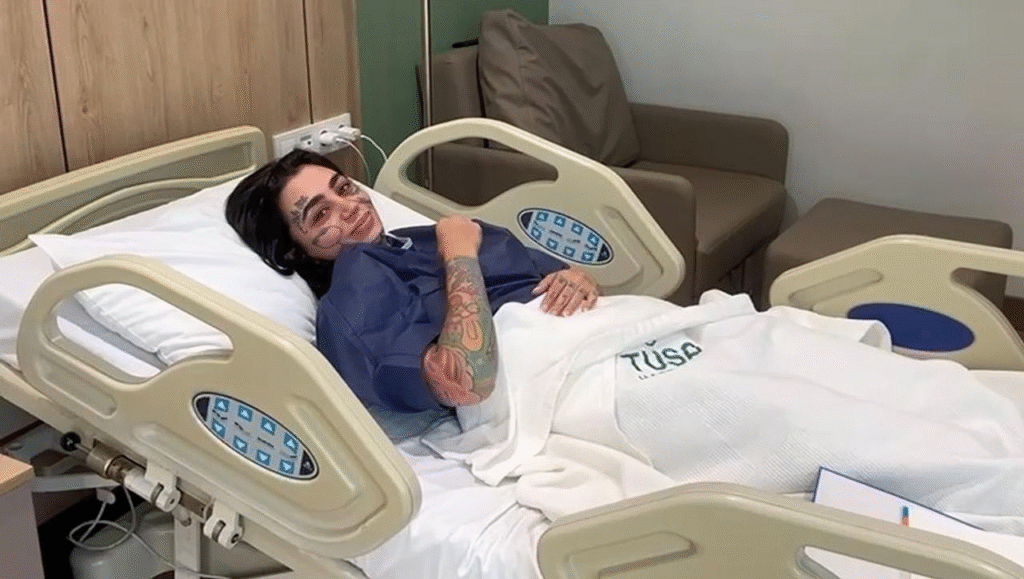
Even more concerning is the pressure influencers may feel to undergo procedures they might not fully need or want, simply to fulfill promotional obligations. The glamorization of cosmetic enhancement on social media can distort reality, creating a narrative where surgery is quick, easy, and always rewarding—leaving no room for the very real risks involved.
Ana Barbara’s death has become a sobering reminder that beneath the veneer of picture-perfect post-op transformations lie complex medical procedures that must be approached with caution, responsibility, and expertise.
The tragic outcome of Ana Barbara’s surgery has prompted an investigation into the clinic’s practices. Authorities in Turkey are reportedly examining the circumstances surrounding her death, and the clinic may face legal consequences depending on what is uncovered. However, this incident also calls for a broader, international dialogue on the ethics and safety of medical procedures marketed through social media channels.
The Aftermath and Growing Calls for Reform
As Elgar returns home to Brazil without his wife, grief-stricken and seeking answers, many are echoing his calls for accountability and change. The loss of Ana Barbara has sparked conversations in both Brazil and Turkey about the need for stricter oversight in the cosmetic surgery industry—especially when it comes to procedures offered to foreign patients.
In Brazil, Ana Barbara’s friends and followers have expressed shock and heartbreak on social media. Her Instagram page, once filled with vibrant images and confident expressions, has now become a space filled with condolences, tributes, and questions. Many have expressed anger that a young woman with so much life ahead of her could die simply because safety standards were not strictly enforced.
Elgar has publicly criticized the clinic’s handling of Ana Barbara’s surgery and its aftermath. He has described feeling misled, confused, and deeply betrayed. According to his statements, communication was poor, updates were inconsistent, and medical staff failed to adequately explain what was happening to his wife or why the surgery had been moved forward. These are issues that go beyond a single clinic—they point to systemic problems that urgently need to be addressed.
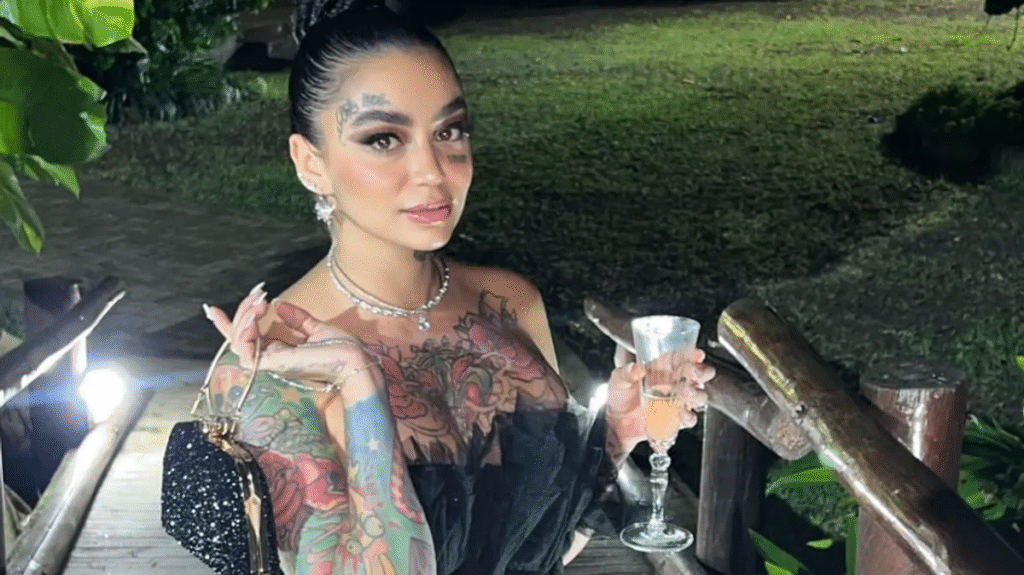
International health experts have long warned about the risks of traveling abroad for surgeries without thoroughly researching the facilities and practitioners involved. But when cosmetic procedures are marketed through social media campaigns and dressed up as lifestyle perks, the dangers are often masked by glossy aesthetics and persuasive promotions. Influencers like Ana Barbara, who may trust the process because of their public role or agreements with clinics, can find themselves in perilous situations without realizing the full extent of the risks.
Moving forward, both governments and social media platforms may need to establish stricter regulations governing the promotion of medical services. Influencers should be educated on the legal and health implications of promoting surgeries, and medical tourism providers should be required to disclose safety standards, certifications, and emergency protocols. Transparency and accountability must replace the current environment of opaque deals and unchecked risk.
Ana Barbara Buhr Buldrini’s story is not just about one tragic loss—it is a wake-up call. Her death represents the dangerous collision of beauty ideals, promotional incentives, and insufficient medical governance. It’s a painful reminder that in the pursuit of physical perfection or online influence, the human cost can be devastating. Her family and loved ones are left with grief, unanswered questions, and a mission to ensure that such a tragedy never happens again.
Ana Barbara’s legacy should not be one of fear, but of awareness. Her story can—and should—prompt greater caution, inspire more rigorous medical oversight, and challenge the culture that glamorizes cosmetic surgery without adequate transparency. No amount of likes or followers is worth a life, and no promotion is worth the price Ana and her loved ones have had to pay.