
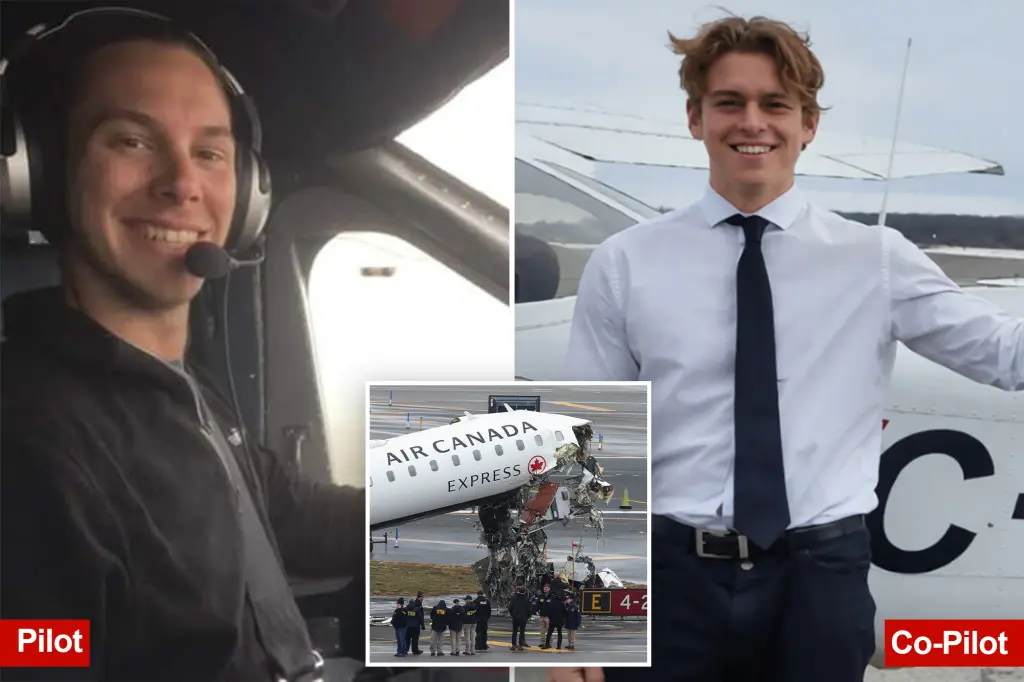
The tragic collision at LaGuardia Airport that claimed the lives of two Air Canada pilots has drawn international attention, not only because of the unusual circumstances surrounding the crash but also due to the lives lost in the incident. First Officer Anthoine Forest and Mackenzie Gunther were operating Air Canada Express Flight 8646 when their aircraft collided with a Port Authority fire truck on the runway shortly after landing.
The devastating accident, which occurred amid a sequence of operational clearances that allowed both the aircraft and emergency vehicle to occupy the same runway, has left the aviation community in shock. As investigators begin to piece together the sequence of events, attention has turned to the professional journeys and personal stories of the two pilots whose careers were cut short in the line of duty.
Mackenzie Gunther: A Young Pilot at the Beginning of His Career
Mackenzie Gunther represented a new generation of aviation professionals who had recently transitioned from academic training to commercial flight operations. A graduate of the Honours Bachelor of Aviation Technology program at Seneca Polytechnic in 2023, Gunther had followed a structured pathway into the aviation industry through the Jazz Aviation Pathways Program.
This program is designed to provide a direct bridge between education and employment, allowing students to move swiftly into cockpit roles upon graduation. For Gunther, this pathway marked the beginning of what appeared to be a promising and steadily progressing career. Upon completing his training, Gunther joined Jazz Aviation, the regional carrier that operates Air Canada Express flights.
As a First Officer, he was responsible for assisting in flight operations, managing navigation and communication tasks, and ensuring adherence to safety protocols alongside the captain. Although early in his professional journey, his role required a high level of technical competence, discipline, and situational awareness. His position on Flight 8646 indicated that he had successfully met the rigorous standards expected of commercial airline pilots.
The institution where he studied expressed deep sorrow following the tragedy, highlighting not only his academic achievements but also the personal connections he formed during his time there. Flags were lowered to half-mast across campus as a mark of respect, reflecting the sense of loss felt by faculty, peers, and the broader academic community. Such gestures underscore how deeply intertwined aviation training institutions are with the careers and lives of their graduates, especially when those individuals quickly transition into professional roles.
Read : First Dog-Centric Airline “Bark Air” Takes Inaugural Flight in US
Gunther’s story also illustrates the broader realities faced by young pilots entering the aviation industry. The transition from training to active duty often occurs rapidly, placing individuals in high-responsibility roles at a relatively early stage in their careers. While this progression speaks to the efficiency of modern aviation training systems, it also highlights the level of trust placed in new pilots to operate complex aircraft in demanding environments. His presence on an international flight route between Montreal and New York reflects both his capability and the confidence placed in him by his employer.
Captain Anthoine Forest: Experience and Leadership in the Cockpit
In contrast to Gunther’s early-career profile, Captain Anthoine Forest served as the commanding pilot on Flight 8646, carrying the primary responsibility for the aircraft, its crew, and its passengers. As captain, Forest would have been the final authority in all operational decisions, including those related to landing procedures, communication with air traffic control, and overall flight safety. While fewer specific details have emerged publicly about his background, his position indicates a significant level of experience, training, and professional trust.
Read : Teen Pilot Niko Bray Forced to Make Emergency Landing on Busy Jupiter Road
Captains in commercial aviation typically accumulate thousands of flight hours before assuming command, progressing through rigorous evaluations and certifications. Forest’s role as captain suggests a long-standing career marked by consistent performance and adherence to the high standards required in the aviation industry. His responsibilities extended beyond technical flying skills to include leadership within the cockpit, coordination with cabin crew, and the ability to respond effectively to dynamic situations.
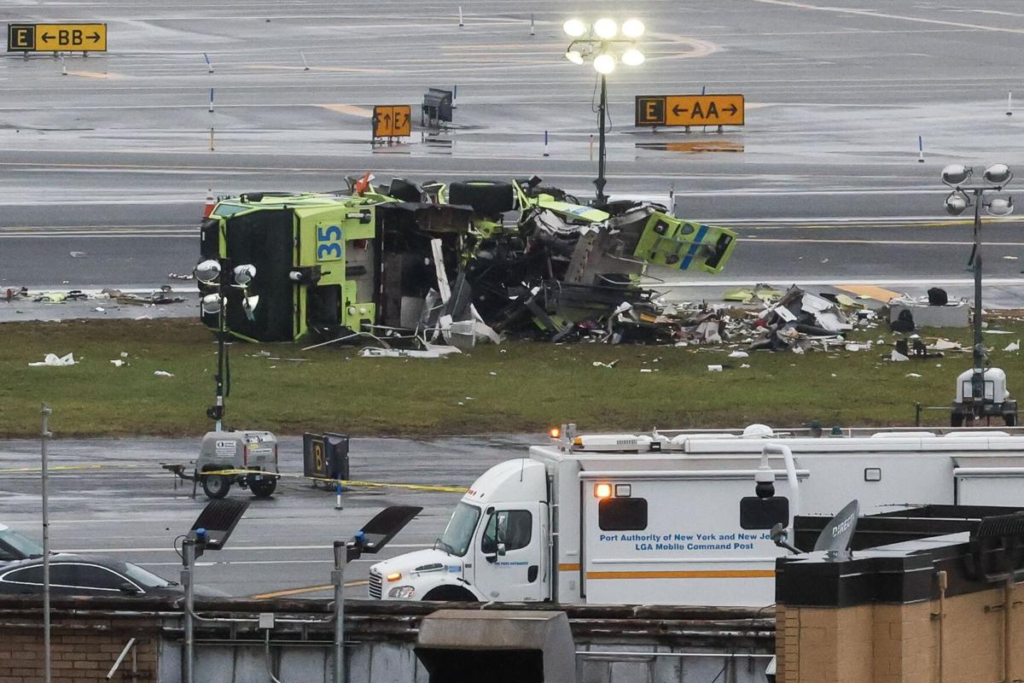
The relationship between a captain and a first officer is fundamental to flight safety. Effective communication, mutual trust, and shared situational awareness are critical components of cockpit operations. Forest and Gunther would have worked together to manage all aspects of the flight, from departure to landing. Their coordination during the final moments before the crash is now a subject of intense investigation, as authorities seek to understand how the aircraft and the fire truck were simultaneously cleared onto the same runway.
The aviation community has responded to the loss of both pilots with tributes emphasizing their dedication to safety and professionalism. Industry organizations and airline representatives have acknowledged the difficulty of the moment, particularly for colleagues and families affected by the tragedy. Such acknowledgments reflect the close-knit nature of the aviation sector, where incidents of this magnitude resonate across airlines, training institutions, and regulatory bodies.
Forest’s role as captain also places him at the center of discussions about operational protocols and decision-making processes. While investigations are ongoing, the circumstances of the crash have raised questions about runway coordination, communication systems, and the safeguards designed to prevent such conflicts. As captain, Forest would have been operating within the framework of instructions provided by air traffic control, highlighting the complex interplay between pilots and ground-based systems in ensuring flight safety.
The LaGuardia Collision and Its Wider Implications
The crash involving Air Canada Express Flight 8646 occurred under conditions that have prompted significant scrutiny from aviation authorities. According to initial reports, the aircraft had been cleared to land on Runway 4 at the same time that a Port Authority fire truck was authorized to cross the same runway. The fire truck was responding to a separate emergency, adding an additional layer of urgency and complexity to the situation. The resulting collision led to the deaths of both pilots and injuries among passengers and crew, many of whom were transported to hospitals with mostly minor injuries.
Read : Pilot Ron Timmermans and Wife Barbara Killed in Plane Crash While Dog Miraculously Survived
The incident has drawn immediate attention from the National Transportation Safety Board, which has begun a detailed examination of the wreckage, communication records, and operational procedures involved. One of the key areas of focus is the sequence of clearances issued by air traffic control and how those instructions were interpreted and executed. Runway incursions, while rare, are among the most serious safety concerns in aviation, and this event represents a particularly severe example.
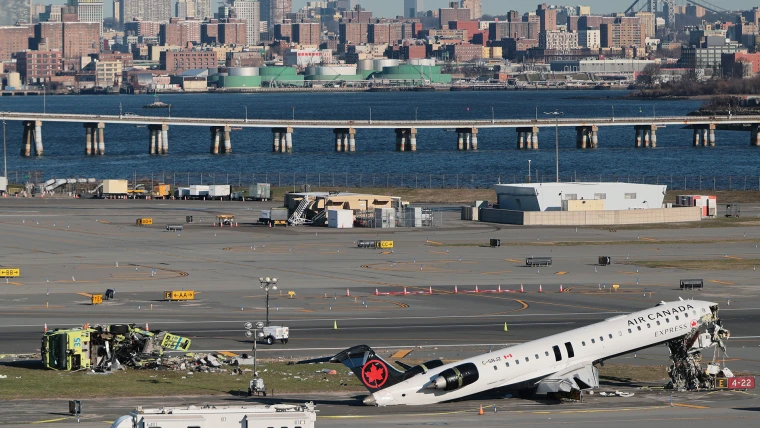
The physical aftermath of the crash has also posed challenges, with a significant amount of debris reported on the runway. Runway 4 is expected to remain closed for several days as cleanup and investigative efforts continue. The disruption underscores the scale of the incident and its impact on airport operations, as well as the broader aviation network.
For passengers on board the flight, the experience was both sudden and traumatic. Although many sustained only minor injuries, the psychological impact of such an event is likely to be considerable. Accounts from those on board describe the immediate confusion and distress following the collision, highlighting the human dimension of aviation accidents that extends beyond statistics and technical analyses.
The loss of Anthoine Forest and Mackenzie Gunther has also prompted renewed discussions about safety systems designed to prevent runway conflicts. Modern airports employ a range of technologies, including ground radar and automated warning systems, to detect potential collisions. Investigators will likely examine whether these systems were in place, whether they functioned as intended, and whether additional safeguards are necessary.
In the broader context, the tragedy serves as a reminder of the inherent complexities of aviation operations, particularly in busy airports where multiple aircraft and ground vehicles must be coordinated simultaneously. While aviation remains one of the safest modes of transportation, incidents such as this highlight the importance of continuous vigilance, system improvements, and adherence to protocols.
The lives of the two pilots lost in this crash reflect different stages of an aviation career, from a newly trained first officer to an experienced captain. Together, they represent the collaborative nature of flight operations and the shared responsibility that underpins every journey. Their deaths have left a void not only within their professional circles but also among the families, friends, and communities connected to them.