

In a shocking case of parental neglect that has horrified communities in Evansville, Indiana, 42-year-old Ashley Ellis has been arrested on multiple felony charges. The incident, which unfolded in the early hours of July 5, 2025, involved Ellis allegedly providing a bottle of vodka to her 16-year-old daughter and the teen’s 15-year-old friend before leaving them unsupervised with her one-year-old toddler. Hours later, the young child was discovered wandering alone in the middle of a dark street, crying for her mother.
This heartbreaking event has sparked widespread outrage, raising urgent questions about child safety, the dangers of underage drinking, and the responsibilities of parenthood. As details emerge from court records and police investigations, the story paints a disturbing picture of a night gone catastrophically wrong. The arrest of Ashley Ellis, booked into Vanderburgh County Jail last Thursday, September 25, 2025, comes nearly three months after the incident that left first responders scrambling and neighbors reeling.
Authorities have charged her with two counts of neglect of a dependent and two counts of contributing to the delinquency of a minor, felonies that carry significant penalties under Indiana law. These charges stem from a chain of reckless decisions that endangered not just the toddler but also the teenagers involved. Police reports detail how Ellis’s absence and the provision of alcohol created a perfect storm of vulnerability, culminating in the toddler’s unsupervised escape from the home. This case underscores the fragility of young lives and the swift consequences when adults fail in their duty of care.
As the community processes this tragedy, it’s a stark reminder of how quickly a momentary lapse can spiral into a crisis. Evansville Police Department investigators have pieced together a timeline that reveals layers of negligence, from the initial handover of alcohol to the prolonged evasion of authorities. With Ashley Ellis now facing court proceedings, the focus turns to accountability, potential sentencing, and the broader implications for child welfare in the region.
The Night It All Unraveled: A Timeline of Recklessness
The events of July 5 began in the quiet hours of the early morning, around 1:30 a.m., in a residential neighborhood on Evansville’s west side. According to statements from the 15-year-old friend provided to investigators, Ashley Ellis handed a full bottle of vodka to her 16-year-old daughter and the teenager’s companion, essentially designating them as impromptu caregivers for her one-year-old daughter. The teens, both minors, each consumed approximately three shots from the bottle before the effects of the alcohol began to take hold. Ashley Ellis, meanwhile, left the home without any apparent plan for supervision or return, leaving the group alone in the house with the sleeping toddler.
By 4:40 a.m., the situation had deteriorated rapidly. The two teens were reportedly vomiting from the alcohol’s impact, their impaired state rendering them unable to adequately monitor the child. It was during this chaotic period that the one-year-old managed to slip out of the home unnoticed, wandering into the street clad only in a soaked diaper. The toddler, disoriented and vulnerable in the pre-dawn chill, was found by a concerned female neighbor who heard her cries echoing through the empty road. The child was repeatedly calling out “Mommy” as she toddled aimlessly, a heart-wrenching detail that has since become central to the narrative of neglect.
The neighbor, acting swiftly, scooped up the child and brought her inside for safety before dialing 911. Evansville Police officers arrived promptly, their initial assessment revealing a scene of utter disarray. The toddler was cold, frightened, and in need of immediate medical evaluation, though she escaped serious physical harm. First responders then traced the child’s address and knocked on Ellis’s door, only to find no adult present. Inside, they encountered the 16-year-old daughter and her 15-year-old friend, both still reeling from the night’s indulgences.
The situation escalated further when the 16-year-old suddenly suffered what appeared to be a seizure, prompting an ambulance call and her transport to a local hospital for treatment. Investigators noted that the teens were initially unaware of the toddler’s presence in the home until much later, around 2:30 a.m., highlighting how the alcohol had clouded their judgment and awareness. The 15-year-old’s interview with police painted a vivid picture: the group had been under the impression they were simply hanging out, but the provision of vodka shifted the dynamic into dangerous territory.
Read : 35-Year-Old Blaine Milam Executed for Killing Girlfriend’s 13-Month-Old Daughter in Exorcism
Ashley Ellis’s decision to leave at such a late hour, entrusting a vulnerable infant to intoxicated minors, set the stage for the tragedy. This timeline, reconstructed from police affidavits and witness statements, illustrates a cascade of poor choices that could have been averted with basic foresight. What makes this sequence particularly egregious is the utter disregard for the developmental stage of a one-year-old, who relies entirely on adults for protection.
Streets at that hour pose lethal risks—stray vehicles, wildlife, or even exposure to the elements could have turned this into a fatal outcome. As the investigation unfolded, it became clear that Ashley Ellis had no contingency plan, no emergency contact, and no apparent concern for the immediate needs of her children. This night of unraveling not only exposed the teens to harm but thrust the toddler into a peril she was far too young to navigate.
Aftermath and Investigation: A Desperate Search for Accountability
In the immediate wake of the toddler’s discovery, the Evansville Police Department launched a frantic search for parental contact. Officers attempted to reach Ashley Ellis through phone calls and visits to her residence, but she remained unresponsive. The child was temporarily placed under the care of the Department of Child Services (DCS), which also struggled to locate Ellis for a full two days. This prolonged absence fueled suspicions of evasion, as authorities pieced together the night’s events from the teens’ accounts and physical evidence at the scene, including the vodka bottle recovered from the freezer.
When DCS finally connected with Ashley Ellis on July 7, she provided a fragmented explanation during an interview. Ellis claimed she had intended to return home after just a few hours, before her youngest child would wake up, but “panicked” upon learning of the incident from investigators. Notably, she did not outright deny providing the vodka but acknowledged that a bottle was stored in the freezer and that the teens had been asking about it. This admission, combined with the 15-year-old’s direct statement, formed the crux of the evidence against her.
Ashley Ellis also refused to submit to a drug test during the meeting, a detail that prosecutors may leverage to argue further impairment or irresponsibility. The 16-year-old daughter’s hospitalization added another layer of concern. Treated for what was likely an alcohol-induced seizure, she recovered physically but faced emotional trauma from the ordeal. The 15-year-old friend, cooperating fully with police, described the fear and confusion of realizing the toddler had wandered off while they were incapacitated.
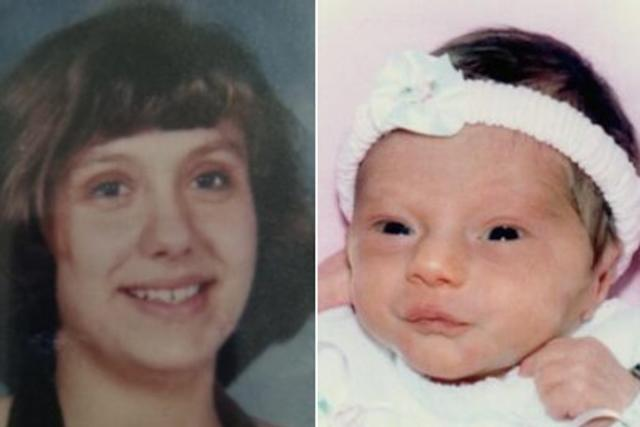
Neighbors in the tight-knit community expressed shock to local reporters, with one resident noting the usual quiet of the street shattered by sirens in the dead of night. The toddler, mercifully, showed no lasting injuries beyond the initial distress and dehydration, but the psychological impact on such a young child remains a point of ongoing DCS involvement. Throughout the investigation, Ellis’s lack of responsiveness drew sharp criticism from authorities. Police issued multiple warrants before her arrest on September 25, underscoring the deliberate nature of her avoidance.
Court records indicate that detectives revisited the scene multiple times, interviewing additional witnesses and reviewing any available surveillance footage from nearby homes. The probe revealed no prior incidents on Ellis’s record, but the severity of this event prompted swift action. As the case moved from investigation to prosecution, it highlighted systemic issues in child welfare response times and the challenges of holding absent parents accountable in real-time crises.
This aftermath phase was marked by a collective sigh of relief that the toddler was found safe, tempered by anger over the preventable risks. Community advocates have since called for enhanced parental education programs in Evansville, emphasizing the perils of mixing alcohol with childcare. The story’s ripple effects extend beyond the family, prompting local schools to reinforce discussions on underage drinking and peer pressure among teens.
Legal Charges and Broader Implications: Justice and Lessons Learned
Ashley Ellis’s arrest on September 25 brought a measure of closure to the July incident, but her court battle is just beginning. Charged with two felony counts of neglect of a dependent— one for the toddler and one for her 16-year-old daughter— and two counts of contributing to the delinquency of a minor, Ellis faces potential years in prison if convicted. Under Indiana statutes, neglect of a dependent is a Level 3 felony, punishable by up to 16 years, while contributing to delinquency carries up to 2.5 years per count. Prosecutors will likely argue that Ellis’s actions directly endangered multiple lives, citing the vodka provision as evidence of intent to facilitate illegal activity.
In Vanderburgh County Court, Ashley Ellis entered a not guilty plea during her initial appearance, with her attorney yet to comment publicly. Bail was set at $10,000, which she posted shortly after booking, but conditions include no contact with minors outside family supervised visits and mandatory substance abuse counseling. The case has been assigned to a special victims’ unit, ensuring a thorough examination of all evidence, including toxicology reports from the teens and the neighbor’s 911 call audio, which captured the toddler’s plaintive cries.

Beyond the courtroom, this incident resonates as a cautionary tale on multiple fronts. It exposes the hidden dangers of parental substance facilitation, where a single bottle can impair judgment and invite disaster. For the teens involved, it serves as a harsh lesson in the consequences of underage consumption, potentially influencing their paths toward sobriety and responsibility. Child welfare experts point out that cases like this often stem from underlying stressors—single parenthood, financial strain, or untreated addiction—but argue that no excuse justifies endangering infants.
Evansville’s response has been proactive: The DCS has ramped up home visits in similar at-risk households, and local nonprofits are offering free parenting workshops focused on safe childcare practices. Nationally, this story aligns with rising concerns over child neglect amid the post-pandemic mental health crisis, with statistics from the U.S. Department of Health showing a 10% uptick in such reports since 2020. Ellis’s case may catalyze policy discussions on stricter penalties for alcohol-related neglect and better integration of teen substance prevention into family services.
Ultimately, while justice for the toddler and her siblings hangs in the balance, the true measure of progress lies in prevention. This tragedy, born of one fateful night, demands that we all recommit to vigilance—parents, neighbors, and communities alike. As Ashley Ellis’s trial unfolds, it will undoubtedly shape conversations on accountability, urging a collective resolve to protect the most defenseless among us.