
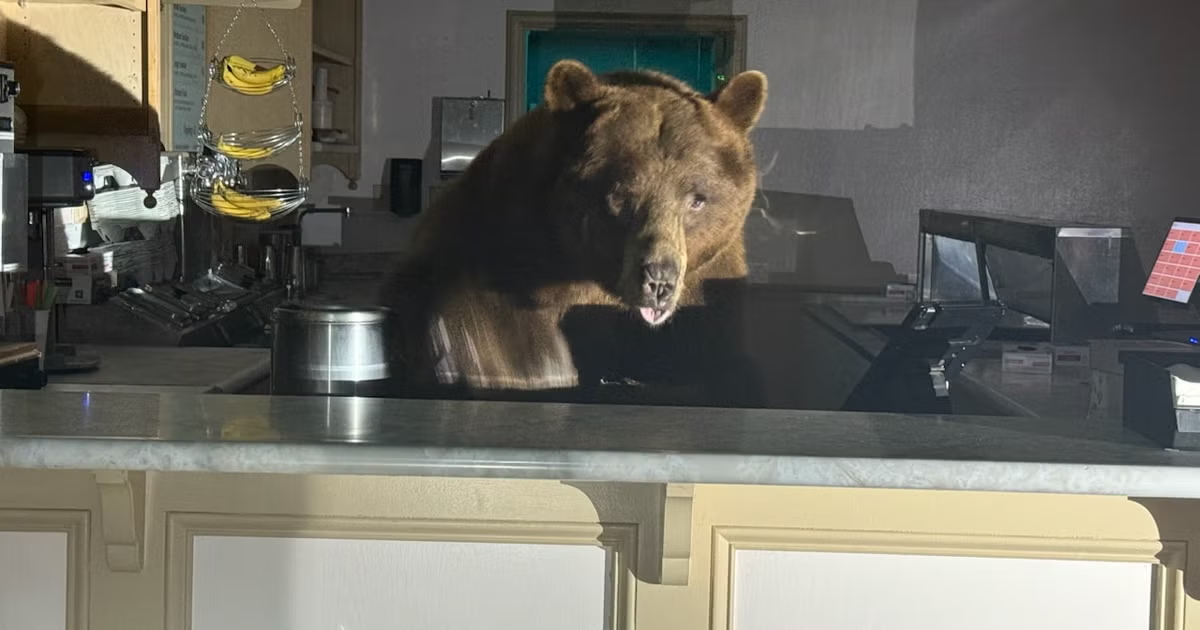
In the early hours of August 17, 2025, a surprising and delightful incident unfolded at the Ice Cream Shop at Camp Richardson in South Lake Tahoe, California. A large bear, affectionately nicknamed “Fuzzy” by the shop’s staff, was discovered behind the counter, indulging in a tub of strawberry ice cream. The event, captured by the El Dorado County Sheriff’s Office, has since become a viral sensation, sparking amusement and conversations about human-wildlife interactions in the Lake Tahoe region.
Fuzzy’s Sweet Adventure
The incident began in the pre-dawn hours when the Ice Cream Shop at Camp Richardson, a popular spot for locals and tourists alike, was closed for the night. According to a Facebook post by the El Dorado County Sheriff’s Office, deputies were dispatched to the shop following a call about an unusual intruder.
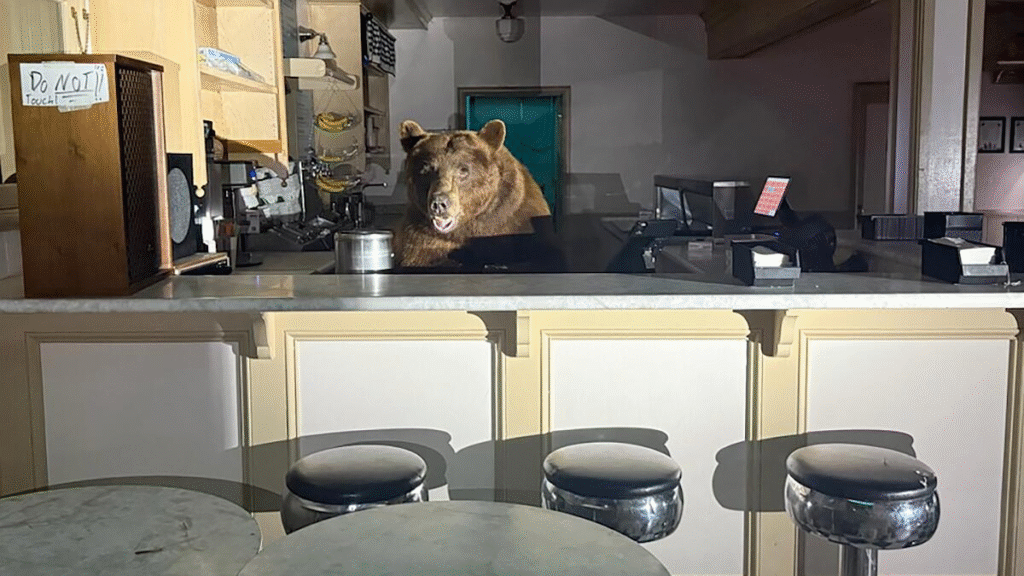
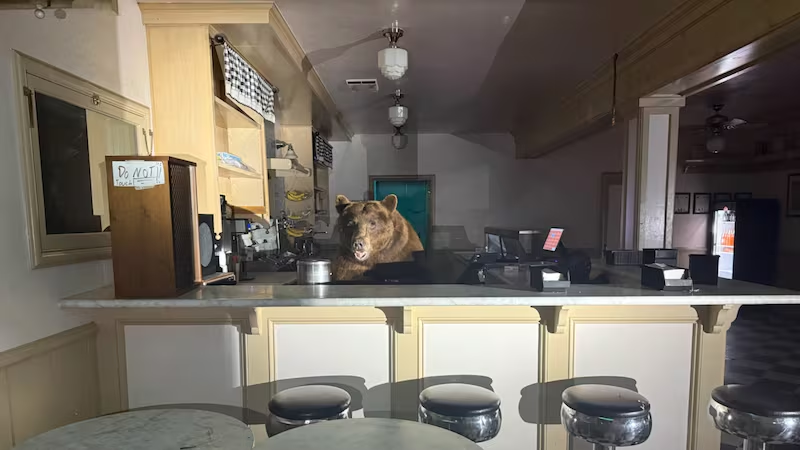
Upon arrival, they were met with an astonishing sight: a large bear standing behind the counter, seemingly at ease as it sampled the shop’s strawberry ice cream. The bear, later dubbed “Fuzzy” due to its reddish-brown fur, appeared almost ready to serve customers, adding a humorous twist to the scene.
Deputies reported that Fuzzy showed a particular fondness for the strawberry flavor, ignoring other options in favor of this sweet treat. With some gentle encouragement, the officers managed to coax the bear out of the shop and back into the surrounding wilderness. Remarkably, Fuzzy caused minimal property damage, and the cleanup was described as negligible.
No ice cream cones were reported missing, and no one was harmed during the incident. The Sheriff’s Office even shared photos of Fuzzy peeking over the counter, which quickly captured the attention of social media users, with some jokingly asking, “One scoop or two?” and others relating to Fuzzy’s late-night snack craving.
A South Lake Tahoe bear was caught red-handed after enjoying a late night sweet treat of straw-'bear'-y ice cream. The El Dorado County Sheriff’s Office said deputies were sent to the ice cream parlor at Camp Richardson in the early hours, where they “could barely believe their… pic.twitter.com/EYpsn8okd7
— ABC7 News (@abc7newsbayarea) August 21, 2025
This lighthearted encounter, while amusing, underscores the allure of human food for wildlife, particularly in areas like South Lake Tahoe, where bears are a common sight. The event has been widely covered by local and national news outlets, with many outlets noting Fuzzy’s discerning taste for strawberry ice cream. The incident serves as a reminder of the importance of securing food sources to prevent such interactions, which can have serious consequences for both bears and humans.
The Risks of Human-Bear Interactions
While Fuzzy’s ice cream escapade ended without incident, it highlights a growing concern in the Lake Tahoe area: human-bear conflicts. Bears have an extraordinary sense of smell, estimated to be seven times more powerful than a bloodhound’s, making them highly sensitive to the aroma of food, especially calorie-dense items like ice cream. The National Park Service has long warned against feeding bears or leaving food accessible, as it can lead to habituation, where bears lose their natural fear of humans and actively seek out human food sources.
When bears become accustomed to human food, they may begin approaching people or entering populated areas, increasing the risk of aggressive behavior. This can lead to property damage, human injury, or, in severe cases, the euthanization of the bear if it is deemed a threat. In the case of Fuzzy, the bear’s interest in strawberry ice cream likely stemmed from its high caloric content and enticing scent, which drew it into the shop. Fortunately, the quick response from the El Dorado County Sheriff’s Office ensured a safe resolution, but not all encounters end so benignly.
Read : Truth Behind Viral Video of Grizzly Bears Leaving Yellowstone National Park
Businesses operating in bear country, like the Ice Cream Shop at Camp Richardson, face unique challenges in preventing such incidents. While the shop was not at fault, the presence of accessible food can act as a strong attractant for bears.
Recommendations for minimizing these risks include avoiding the display of food items near windows or entrances, implementing secure waste management practices, and using bear-resistant containers for food storage. These measures are critical in areas like South Lake Tahoe, where bears are drawn to human settlements in search of easy meals, especially during the spring, summer, and fall seasons when they are most active.
The incident also prompted discussions about responsible food storage in the broader Lake Tahoe community. Residents and visitors are advised to store food in bear-resistant containers, clean BBQ grills thoroughly after use, avoid leaving pet food or bird feeders outdoors, and report bear sightings to the California Department of Fish and Wildlife (CDFW). By taking these precautions, the community can help reduce the likelihood of bears becoming habituated to human food, thereby protecting both the animals and the people who live alongside them.
Lessons from Lake Tahoe’s Wildlife
Fuzzy’s visit to the Ice Cream Shop at Camp Richardson is not an isolated event. The Lake Tahoe region has seen similar bear-related incidents, such as a bear in Oakhurst caught on camera stealing a bird feeder. These occurrences highlight the adaptability and resourcefulness of bears, as well as the need for increased awareness and education about coexisting with wildlife. The California Department of Fish and Wildlife emphasizes that bears are naturally curious and opportunistic feeders, and their interactions with human environments are often driven by the availability of food.
The viral nature of Fuzzy’s story, amplified by social media and news coverage, has brought both humor and attention to the issue. Commenters on the Sheriff’s Office Facebook post expressed delight at the bear’s antics, with some humorously suggesting that Fuzzy was simply trying to get a midnight snack. However, the underlying message is clear: human-bear conflicts are a serious issue that requires proactive measures to prevent. The National Park Service’s warning about the dangers of feeding bears, issued just a week before Fuzzy’s incident, serves as a timely reminder of the risks involved.
In addition to practical measures like secure food storage, education plays a crucial role in mitigating human-bear conflicts. Programs aimed at informing residents and tourists about bear behavior and safety protocols can help reduce the frequency of such encounters. For example, the CDFW encourages reporting bear sightings to track their movements and identify potential problem areas. Community initiatives, such as bear-aware campaigns, can also foster a culture of coexistence, ensuring that bears like Fuzzy remain a charming part of the region’s ecosystem rather than a source of conflict.
The incident at Camp Richardson also raises questions about the broader impact of human development on wildlife habitats. As South Lake Tahoe continues to attract visitors for its natural beauty and recreational opportunities, the overlap between human and bear habitats is likely to increase. This makes it all the more important for businesses, residents, and visitors to take responsibility for minimizing attractants and promoting safe interactions with wildlife.
A Sweet Reminder of Coexistence
The tale of Fuzzy the bear and the strawberry ice cream is a delightful anecdote that has brought smiles to many, but it also serves as a poignant reminder of the delicate balance between humans and wildlife in areas like South Lake Tahoe. The incident, which occurred on August 17, 2025, was handled with professionalism by the El Dorado County Sheriff’s Office, ensuring a safe outcome for both Fuzzy and the community.
The minimal damage and cleanup required were fortunate, but the event underscores the importance of vigilance in bear country. As Lake Tahoe continues to be a haven for both people and wildlife, stories like Fuzzy’s highlight the need for ongoing efforts to prevent human-bear conflicts.
By securing food sources, educating the public, and fostering a culture of coexistence, the community can ensure that bears remain a cherished part of the region’s natural landscape rather than a source of concern. Fuzzy’s sweet adventure may have been a “scooprise,” but it also offers valuable lessons about living harmoniously with the wildlife that calls Lake Tahoe home.
In conclusion, the story of Fuzzy the bear is more than just a viral moment; it’s a call to action for residents, businesses, and visitors to take proactive steps in protecting both bears and themselves. Whether it’s securing a tub of strawberry ice cream or reporting a bear sighting, every action counts in preserving the delicate balance of this beautiful region. So, the next time you visit an ice cream shop in bear country, you might just think twice about leaving that sweet treat unattended—after all, you never know when Fuzzy might stop by for a scoop!