
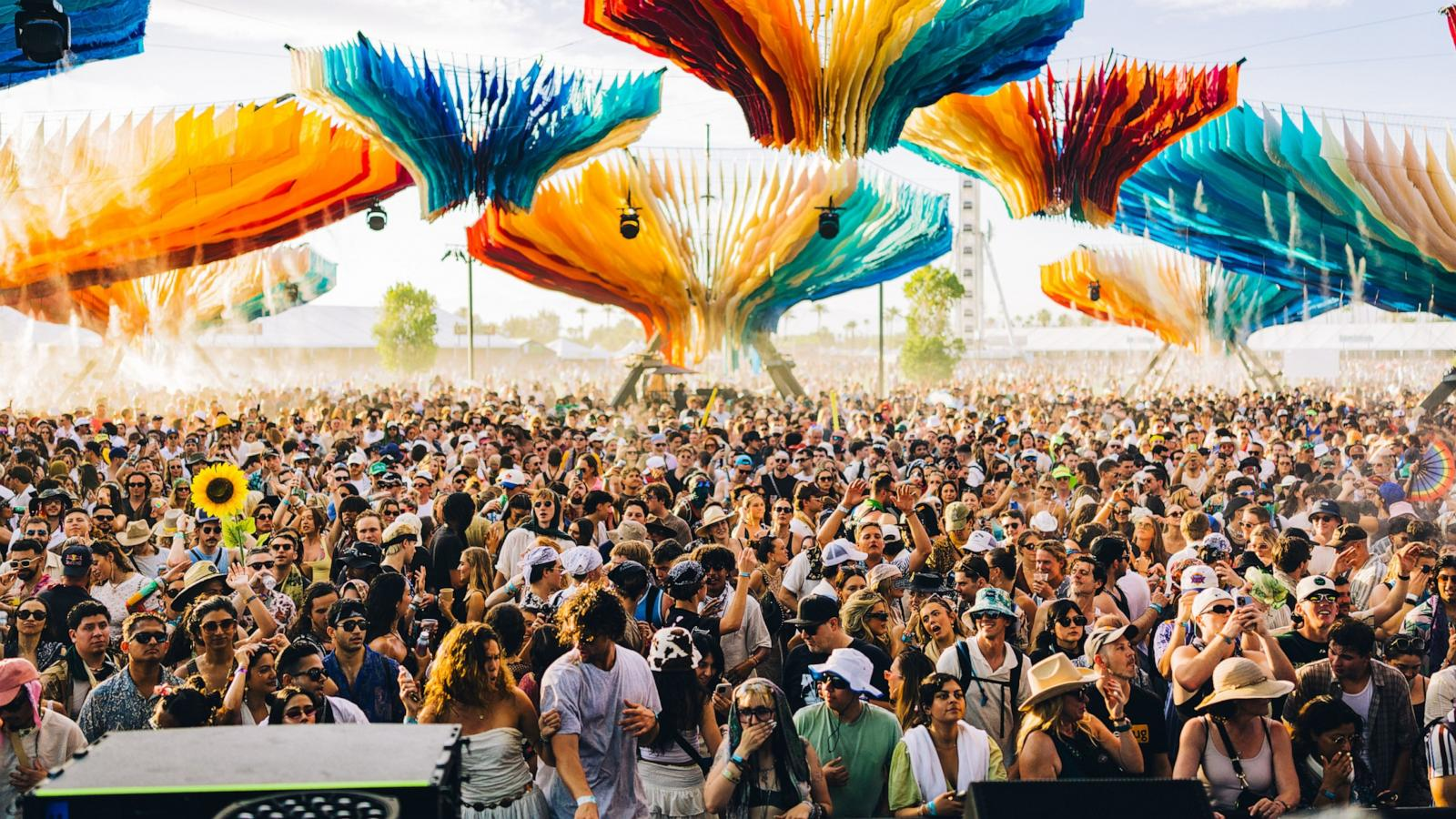
On April 12, 2025, the festive atmosphere of the Coachella Valley Music and Arts Festival was briefly overshadowed by a chilling incident 17 miles away at the Agua Caliente Casino in Cathedral City, California.
A 40-year-old Santa Monica resident, Davis Darvish, was arrested after allegedly threatening to bomb the iconic festival, which draws tens of thousands to Indio’s Empire Polo Club each April.
Driving a Tesla, Darvish approached casino security around 10:40 a.m., claiming he would be “responsible for a bombing” at Coachella, prompting a swift response from local law enforcement.
His arrest in Palm Springs later that day, after a search revealed no explosives, brought relief but raised questions about motive, security, and the vulnerabilities of major public events. This blog explores the incident’s details, the response it triggered, and its broader implications.
A Threat That Sparked Alarm
The incident began when Davis Darvish, described as acting suspiciously, drove up to security personnel at the Agua Caliente Casino, located at 68960 East Palm Canyon Drive. According to the Cathedral City Police Department (CCPD), he made a direct threat, stating he would orchestrate a bombing at Coachella, then in its first weekend of 2025.
The festival, known for headliners like Green Day and a vibrant cultural scene, was hosting around 125,000 attendees daily, making the threat particularly alarming. Casino staff promptly alerted authorities, and by 10:47 a.m., CCPD officers were on the scene, initiating a coordinated effort to neutralize the risk.
Using DMV records, police identified Darvish as the Tesla’s owner and issued an alert to festival security and regional law enforcement. The CCPD leveraged Flock ALPR (automated license plate recognition) cameras to track his movements across the Coachella Valley, a testament to modern policing technology.
Read : Chadd Ritenbaugh Charged for Carving Swastika on Tesla Outside Planet Fitness Gym
By noon, Palm Springs Police located his vehicle in their city, roughly 10 miles from the casino. Davis Darvish was detained without incident, and a thorough search of his Tesla revealed no weapons, explosives, or bomb-making materials, suggesting the threat was not immediately actionable.
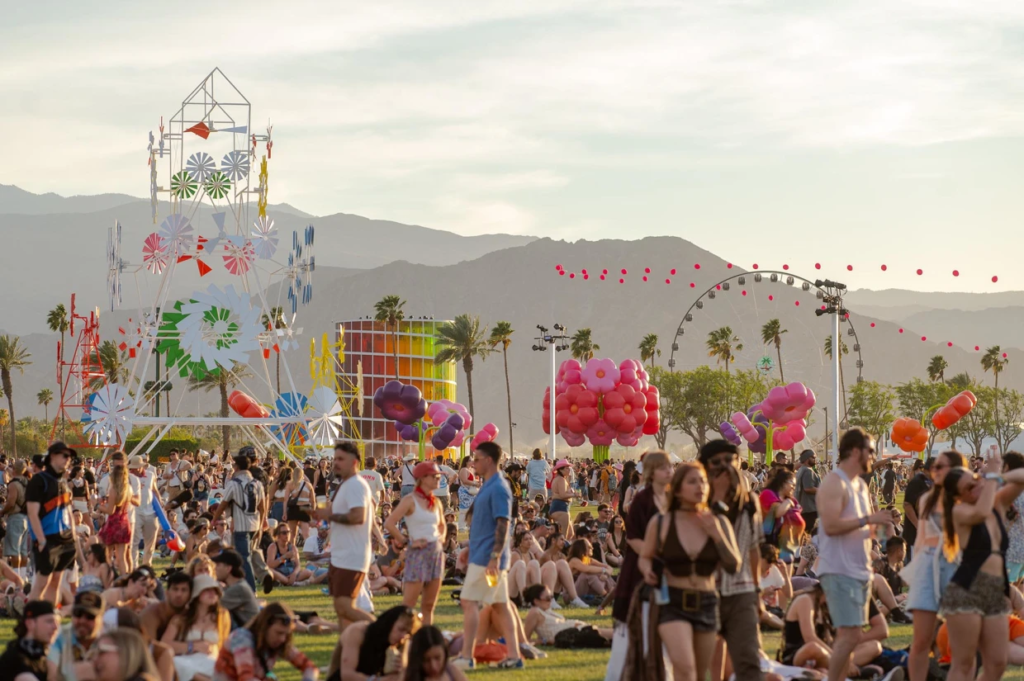
He was booked into the John Benoit Detention Center in Indio on a $1 million bail, charged with making a false bomb threat, a felony that carries significant penalties due to its potential to incite panic.
The swift resolution—less than two hours from threat to arrest—prevented disruption at Coachella, where attendees continued enjoying performances unaware of the drama unfolding nearby.
Yet, the incident underscored the high stakes of securing large-scale events, especially in an era when threats, even if hollow, can paralyze communities. CCPD detectives are now investigating Davis Darvish’s activities prior to the casino encounter, seeking to understand what drove him to make such a brazen statement.
A Suspect with Little Public Trace
Davis Darvish, the man at the center of this drama, remains an enigmatic figure. At 40, the Santa Monica resident has no publicly detailed criminal history tied to this incident, and authorities have not disclosed a motive. Was it a misguided attempt at attention, a personal grievance, or something deeper?
The absence of explosives suggests the threat may have been impulsive or exaggerated, but its specificity—targeting Coachella—required immediate action. Davis Darvish’s choice of a Tesla, a symbol of affluence, and his presence at a casino far from Santa Monica add layers of curiosity to his profile, though no evidence links him to prior festival-related issues.
The lack of context about Darvish’s life—his occupation, affiliations, or state of mind—leaves gaps that investigators are working to fill. Sgt. Rick Osborne of the CCPD has urged anyone with information to come forward, offering a contact line (760-202-2448) and an anonymous tip option via Crime Stoppers (760-341-STOP).
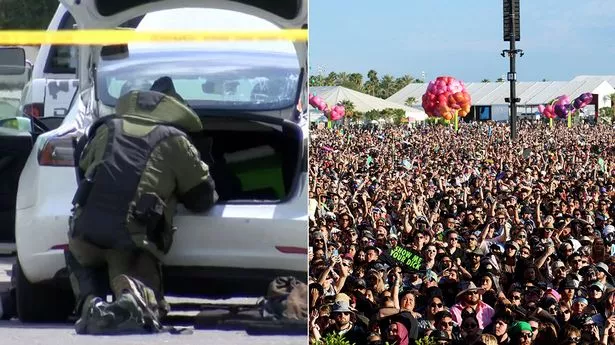
Social media posts on platforms like X reflect public speculation, with some users wondering if festival chaos, like reported parking and camping issues, played a role in sparking frustration, though no direct connection has surfaced.
Others see the incident as a reminder of the unpredictable nature of lone actors, whose threats, even if empty, demand resources and vigilance. This case also highlights the psychological toll of such threats.
Coachella, already navigating logistical challenges—campers complained of 12-hour delays and disorganized lots—didn’t need added fear. The festival’s first weekend, marked by performances and cultural moments like Bernie Sanders’ appearance, carried on, but law enforcement’s heightened alert status likely lingered.
Davis Darvish’s arrest, while a win for rapid response, prompts questions about why he chose this moment and place to make his claim, and whether underlying issues, personal or societal, fueled his actions.
Security, Festivals, and a Nervous Age
The Coachella threat arrives at a time when public gatherings face heightened scrutiny. Music festivals, with their massive crowds and open layouts, are both cultural treasures and potential targets. The 2017 Las Vegas Route 91 Harvest shooting, which killed 60, and the 2015 Paris Bataclan attack loom large in security planning, pushing organizers to invest heavily in measures like metal detectors, private security, and police coordination.
Coachella’s safety protocols, bolstered by Riverside County Sheriff’s deputies and festival staff, were tested but held firm, with no reported breaches during Darvish’s incident. Yet, the ease with which a single individual can disrupt, even momentarily, reveals vulnerabilities.
Agua Caliente Casino, 17 miles from the Empire Polo Club, isn’t directly tied to Coachella, but its proximity made the threat credible enough to act on. The incident reflects a broader tension: how to balance open, joyful events with the reality of rare but impactful threats.
False bomb threats, while less destructive than actual attacks, drain resources and sow unease, affecting attendees, businesses, and law enforcement. In 2024 alone, similar threats targeted schools, hospitals, and malls nationwide, often tied to hoaxes or mental health crises rather than terrorism.
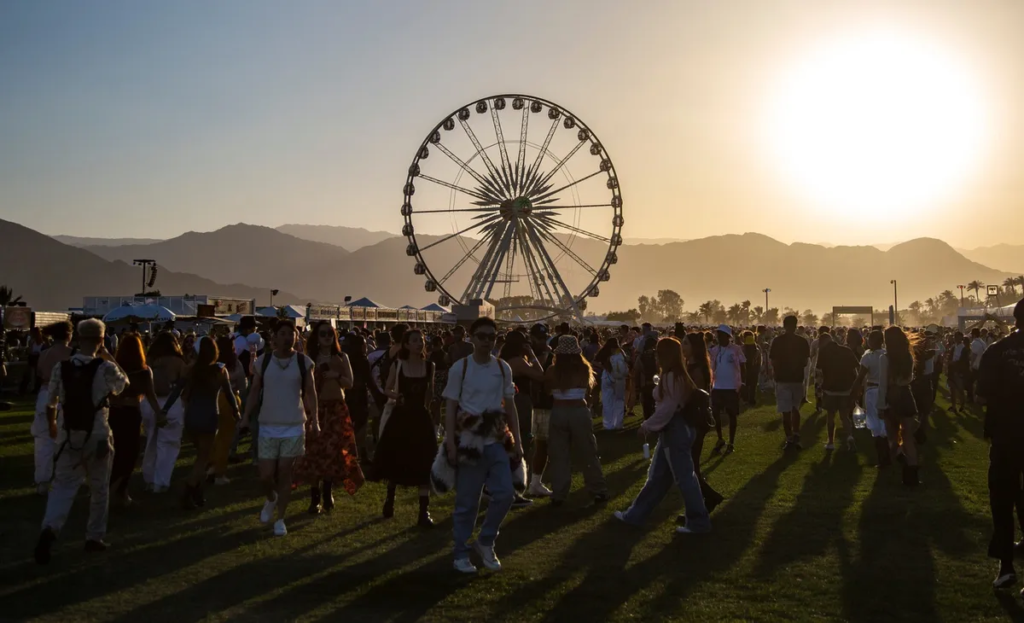
The Davis Darvish case also sparks debate about technology’s role in safety. Flock ALPR cameras, which helped track his Tesla, are praised for efficiency but criticized by privacy advocates for mass surveillance. Their use here—locating a suspect in hours—shows their value, yet the broader implications of constant monitoring linger.
Meanwhile, festivals like Coachella face pressure to innovate, from AI-driven threat detection to crowd analytics, without losing the free-spirited vibe that defines them. For attendees, the incident may fade amid the music, but for organizers, it’s a reminder to stay vigilant.
This event also ties into larger conversations about mental health and public behavior. While no evidence confirms Darvish’s mental state, many false threats stem from distress, anger, or a need for attention.
Programs to address these root causes—community outreach, crisis intervention—could complement security measures, reducing the likelihood of similar incidents. For now, Coachella’s second weekend looms, and with it, a chance to reclaim celebration over fear, though Darvish’s actions ensure that security teams won’t rest easy.
A Community Moves Forward
As Davis Darvish awaits his legal fate, the Coachella Valley reflects on a scare that could have been far worse. The absence of explosives is a relief, but the incident leaves a mark—on festivalgoers who expect safety, on casino staff who acted decisively, and on a region that thrives on tourism and culture.
Cathedral City and Palm Springs, linked by this response, showed coordination that likely saved lives, even if the threat proved empty. The $1 million bail signals the seriousness of Darvish’s charge, with potential penalties including up to seven years in prison if convicted, a deterrent to others who might consider similar acts.
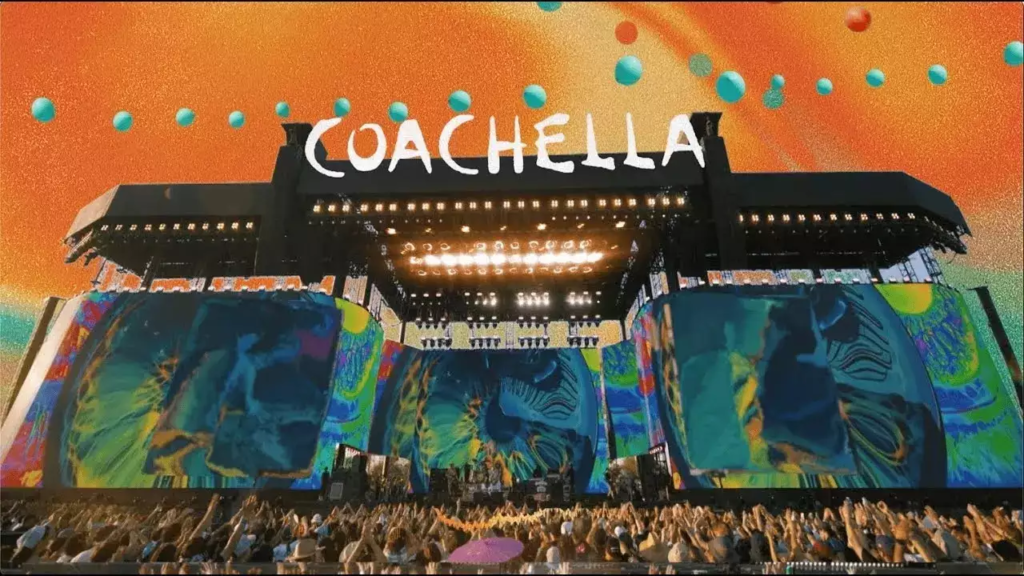
For the community, the focus shifts to resilience. Coachella, born in 1999, has weathered storms—logistical hiccups, economic shifts, and now this. Its ability to draw global crowds, from Kylie Jenner’s fashion moments to Green Day’s punk anthems, speaks to its enduring appeal.
The festival’s organizers, working with law enforcement, will likely review this incident to tighten protocols, ensuring the second weekend, starting April 18, feels secure. Local businesses, including Agua Caliente Casino, continue welcoming visitors, their role in averting panic a quiet point of pride.
Ultimately, the Darvish case is a snapshot of our times—where technology aids justice, threats test trust, and communities seek balance between openness and caution.
As Coachella’s beats echo into the desert night, they carry a message: fear may surface, but connection and creativity endure. The valley will move on, but not without remembering the day a man in a Tesla briefly held its breath, and the system that stopped him before harm could take root.