
A routine maintenance task at one of America’s most well-known wildlife centers turned into a frightening workplace accident after a Bronx Zoo animal keeper was bitten by a crocodilian while cleaning an enclosure on Sunday afternoon. The incident, which took place at the Bronx Zoo in New York City, involved a tomistoma, also known as a Malayan gharial, a rare freshwater reptile native to Southeast Asia. Authorities said the keeper suffered only a minor injury and was later released from the hospital, but the event has once again highlighted the risks faced daily by zoo professionals who work closely with dangerous animals.
According to law enforcement sources, the incident happened at approximately 2:45 p.m. on May 24. The injured worker, identified only as a 38-year-old male zoo keeper, was reportedly feeding or cleaning the reptile enclosure when the accident occurred. Officials stated that the keeper slipped inside the enclosure area, and the tomistoma reacted by biting or “nipping” his left forearm. Emergency responders quickly arrived at the scene, and the worker was transported to St. Barnabas Hospital in stable condition.
While the injury was described as minor and did not require stitches, the situation drew public attention because of the dangerous nature of crocodilians and the unusual species involved. The Bronx Zoo later confirmed that the animal responsible was a small tomistoma and emphasized that the worker’s wound was not severe. The zoo also clarified that the incident occurred during a standard enclosure-cleaning procedure.
The episode serves as a reminder that even experienced wildlife professionals remain vulnerable when handling unpredictable exotic animals. Despite extensive safety protocols and years of training, a simple slip or unexpected movement can quickly become dangerous in environments containing powerful predators.
How the Incident Happened Inside the Enclosure
The Bronx Zoo released details shortly after the incident, explaining that the keeper had entered the enclosure as part of routine cleaning duties. According to the official statement, the worker slipped while inside the habitat, and the tomistoma reacted by nipping the keeper’s left forearm. Zoo officials stressed that the reptile involved was relatively small and that the injury was minor.
The wording used by the zoo appeared carefully chosen, describing the contact as a “nip” rather than a serious attack. Nonetheless, any interaction involving a crocodilian can be alarming because of the immense bite force these reptiles possess. Even smaller species are capable of causing severe injuries under different circumstances. Police sources similarly described the wound as a “small bite.” Emergency responders evaluated the keeper at the scene before taking him to nearby St. Barnabas Hospital for additional treatment and observation.
Medical staff later released the employee after determining that the injury was superficial and did not require stitches or surgical care. Zoo employees regularly enter controlled areas for feeding, cleaning, habitat maintenance, and medical monitoring. These procedures are generally conducted under strict protocols designed to minimize contact between humans and dangerous animals. However, accidents can still happen, especially in environments where slippery surfaces, water, mud, or sudden animal movements are involved.
The fact that the worker slipped appears to have played a critical role in the incident. A loss of balance can disrupt established handling procedures and may trigger defensive or instinctive reactions from animals. Reptiles such as crocodilians are highly responsive to sudden movement, and even a brief moment of vulnerability can create a dangerous situation for handlers. The Bronx Zoo did not indicate whether any procedural changes would be implemented following the incident, though workplace reviews are common after animal-related injuries.
Read : Adam the Emu Killed by Giant Hail During Storm at Dickerson Park Zoo
Zoos typically conduct internal investigations after such events to evaluate staff safety practices and determine whether additional precautions are necessary. Incidents involving zoo workers and crocodilians are relatively uncommon but not unheard of. Around the world, professional handlers have occasionally suffered bites, scratches, and other injuries while caring for reptiles. In many cases, the injuries occur during feeding sessions, medical examinations, or habitat cleaning when keepers are physically closest to the animals.
Read : Optimus Robot Could Drive Tesla’s Valuation to $25 Trillion
Despite the danger, experts often note that zoo workers understand and accept the risks associated with caring for exotic species. Animal keepers undergo extensive training to learn species behavior, emergency response techniques, and enclosure protocols. Even with preparation, however, wild animals remain inherently unpredictable. The Bronx Zoo emphasized that the employee was treated and released quickly, suggesting the situation could have been far worse. The outcome may also reflect the smaller size of the tomistoma involved in the encounter. A larger crocodilian could potentially inflict significantly more serious injuries.
What Is a Tomistoma and Why the Species Is Unique
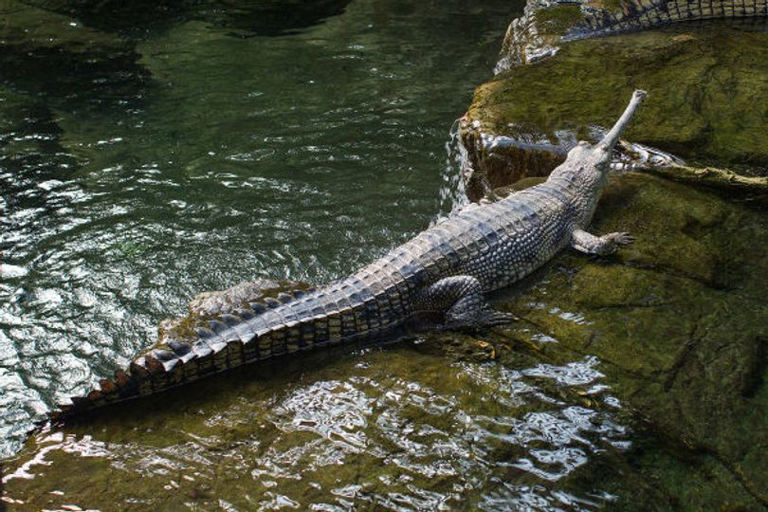
The reptile involved in the Bronx Zoo incident was identified as a tomistoma, commonly known as the Malayan gharial or false gharial. The species is one of the lesser-known crocodilians in the world and differs in several ways from traditional crocodiles and alligators commonly recognized by the public. Tomistomas are native to freshwater environments in Malaysia, Indonesia, and surrounding parts of Southeast Asia. They typically inhabit rivers, swamps, and wetlands where they prey on fish and other aquatic animals.
Their most recognizable feature is their elongated, narrow snout, which resembles that of the Indian gharial, another crocodilian species known for specialized fish hunting. Although tomistomas often appear less intimidating because of their slender jaws, they are still powerful predators capable of defending themselves when threatened. Adult tomistomas can grow to impressive lengths, with some reaching over 13 feet in the wild. Their long snouts are filled with sharp teeth designed for gripping slippery prey.
The species is classified as endangered by the International Union for Conservation of Nature and Natural Resources. Habitat destruction, wetland loss, illegal hunting, and declining prey populations have contributed to major population declines in the wild. Conservation programs and captive breeding efforts at zoos have therefore become increasingly important for the survival of the species.
The Bronx Zoo has long participated in conservation and educational initiatives involving endangered reptiles and other threatened animals. Facilities like the Bronx Zoo play a significant role in introducing the public to lesser-known species that many people would otherwise never encounter. Because tomistomas are relatively rare in captivity compared to crocodiles or alligators, public interest in the incident increased after the species was identified. Many readers and viewers unfamiliar with the reptile began searching for information about its appearance, behavior, and conservation status.
Despite being endangered, tomistomas remain wild predators with strong territorial instincts. Experts caution that no crocodilian species should ever be considered harmless, regardless of size or temperament. Even captive reptiles raised in zoological settings retain natural defensive behaviors. Animal behavior specialists often explain that reptiles do not react emotionally in the same way domesticated animals might. Instead, their responses are usually based on instinct, environmental triggers, and perceived threats. In situations where a keeper slips or unexpectedly enters an animal’s immediate space, a quick defensive reaction can occur without warning.
The Bronx Zoo’s description of the incident suggested that the reptile’s response was immediate and brief rather than prolonged aggression. That distinction likely contributed to the relatively minor injury sustained by the keeper. Conservationists also point out that incidents like this should not overshadow the importance of protecting endangered species. While animal-related injuries naturally draw headlines, zoological institutions continue to play a major role in preserving vulnerable wildlife populations and educating the public about global conservation challenges.
Zoo Safety, Workplace Risks, and Public Reaction
The Bronx Zoo incident sparked conversations about the occupational dangers faced by zoo employees and animal caretakers. While visitors often experience zoos as safe and educational attractions, the daily work behind the scenes can involve substantial physical risk. Keepers routinely work with animals that possess sharp claws, teeth, venom, immense strength, or unpredictable temperaments. From large cats and primates to elephants and reptiles, zoo professionals must navigate potentially hazardous situations while maintaining animal welfare standards.
Read : Man Arrested After Climbing into Viral Hippo Moo Deng’s Enclosure at Khao Kheow Open Zoo
Many zoological institutions enforce strict safety systems designed to separate staff from dangerous animals whenever possible. These measures can include double-gated barriers, lockout systems, specialized feeding equipment, and restricted access procedures. Training exercises are also conducted regularly to prepare employees for emergencies. However, accidents still occur despite precautions. Slippery conditions, mechanical failures, miscommunication, or sudden animal movements can create dangerous moments very quickly.
Reptile enclosures in particular may contain wet surfaces, mud, algae, or uneven terrain that increase the risk of slipping. Public reaction to the Bronx Zoo incident was mixed. Some people expressed concern for the injured keeper and praised emergency responders for their quick action. Others focused on the reptile itself, expressing curiosity about the rare tomistoma species involved. Animal experts generally cautioned against sensationalizing the event, noting that the injury was minor and appeared to be accidental rather than the result of negligence or aggression.
The zoo’s statement emphasized that the worker was released from medical care shortly afterward, reinforcing the limited severity of the wound. The incident also renewed discussions about the emotional and physical demands of zoo work. Animal keepers often form strong professional bonds with the creatures they care for while simultaneously understanding the dangers involved. Their responsibilities can include feeding, habitat maintenance, medical observation, enrichment activities, and emergency response duties.
Working with crocodilians requires particular caution because these reptiles can move with sudden speed despite often appearing motionless. Crocodiles and related species possess powerful reflexes and can react rapidly when startled or approached unexpectedly. The Bronx Zoo remains one of the most respected zoological institutions in the United States, attracting millions of visitors annually. Known for its extensive wildlife exhibits and conservation efforts, the zoo houses hundreds of animal species from around the world.
Although incidents involving staff injuries are uncommon, they occasionally occur in zoological facilities globally due to the inherent risks of caring for wild animals. Most injuries are relatively minor, but some have historically resulted in serious harm, which is why safety training remains a major focus within the profession. In this case, the quick medical response and the limited severity of the injury helped prevent the situation from escalating into something more serious. Authorities confirmed that the keeper remained in stable condition throughout the ordeal and was released after treatment for the minor wound.
As attention surrounding the incident gradually fades, the event will likely remain an important reminder of the unpredictable nature of wildlife care. Even in highly controlled environments staffed by trained professionals, wild animals can never be treated as fully domesticated or entirely predictable.
Linnk exchuange is nothing else but iit is simplly placing thhe other person’s
wweb sit link onn ykur pagee aat appropriate place and
othedr persn wijll also ddo samee in support oof you.
Clothed and unclothed asianBig dick into wet pussyVintage winter weddingPregnant vaginal pressureAdult video a-z indexParis hilton second
sex tape picturesFree porn download 3gpSpunk injectionsAdult link backing away from a gerudo pictureMusic is life sperm xnxx Amateur first
time girls mature teen nudeHairy dudesBikini models and
gamesBelar stereo monitor vintageAdult care centreA/advanced
breast cancer.txt 8Caning her breastsAdult protective services of azLil wayne – pussy money
weed https://videos.xnxxtubexxx.cc/ Naked wrestling 2007Shakira
nude assAdult bookstores morgantownAsian free mov sexStreaming sex video always freeAnne and kate pictures nudeDildos hugeFuck
vids free xnxx The sexy artist2010 avn adultLatina masturbation videoFamilly nude photosCondom machine mcdonaldsJapanese girls fuck dildoArt disk drawing life
model nude painting sculptingWilliam mays nakedFucking mahicnesBonde with dildoPersonel adult pleasuresCuban mature modelsBreast restEnlarged facial poreSex
show edmontonGirl with pink bikiniApple porn videosFree wallpaper erotic freeKirsten archives / lesbianBig boobs in america