

A Kentucky woman is facing criminal charges after authorities alleged that she tattooed a 22-month-old child on the arm, prompting an investigation that quickly drew public attention and renewed concerns about child safety laws involving body modification procedures. The incident took place in Adair County, Kentucky, where police were called to investigate what was initially reported as a possible child abuse case involving a toddler and a tattoo gun.
According to law enforcement officials, 27-year-old Brook McDaniel was arrested after officers discovered what appeared to be a tattoo mark on the child’s forearm. Authorities said the toddler had visible redness surrounding a black ink mark, which they believed was consistent with tattoo ink. The unusual nature of the allegations immediately led to questions about how the incident occurred, whether the child had been intentionally tattooed, and what legal consequences could follow under Kentucky law.
Investigators later revealed that witnesses claimed the child had requested the tattoo. However, officials emphasized that the child’s age made consent legally impossible and that Kentucky law strictly prohibits tattooing anyone under the age of 16. As details emerged, the case sparked debate online and in local communities about parental responsibility, child protection laws, and the risks associated with exposing very young children to tattoo equipment.
Police Investigation Began After Child Abuse Complaint
The investigation reportedly began on Monday when law enforcement officers in Adair County responded to a complaint regarding possible child abuse in the city of Columbia, Kentucky. Upon arriving at the scene, officers spoke directly with Brook McDaniel, who allegedly admitted that the child had been marked while she was tattooing herself. According to police statements, McDaniel explained that she had been working on tattooing her own leg when the toddler approached her and placed their arm in the path of the tattoo gun.
She reportedly told investigators that the contact happened during that moment and resulted in the visible ink mark on the child’s arm. Officers examining the toddler observed a black mark on the child’s right forearm along with redness around the affected area. Authorities noted that the mark appeared consistent with fresh tattoo ink. Because of the child’s extremely young age, investigators treated the incident seriously and began interviewing witnesses who were present at the time.
Several witnesses allegedly confirmed to police that McDaniel intentionally gave the child the tattoo mark after the toddler asked for it. While those witness accounts may have attempted to explain how the incident unfolded, investigators focused on the legality of the action itself. Under Kentucky law, tattooing a minor under the age of 16 is illegal regardless of parental approval or the wishes of the child. Law enforcement officials ultimately determined there was sufficient evidence to place McDaniel under arrest.
Read : Tourist Killed by Mob for Allegedly Desecrating Quran in Pakistan’s Swat
She was charged with fourth-degree assault involving child abuse and transported to the Adair County Regional Jail. Authorities stated that her bond was set at $5,000. The case immediately attracted widespread attention because incidents involving tattoos and toddlers are exceptionally rare. Child welfare advocates and legal experts pointed out that tattoo equipment can carry health risks, especially for infants and very young children whose immune systems and skin are more vulnerable to injury and infection.
Kentucky Law Strictly Regulates Tattooing Minors
Kentucky, like many states across the United States, has laws regulating tattoos and body modifications for minors. The restrictions are intended to protect children from health risks, permanent body alterations, and situations where informed consent cannot legally or ethically be obtained. In Kentucky, individuals younger than 16 years old cannot legally receive tattoos. Even for older teenagers, strict parental consent requirements and identification rules apply.
These regulations are enforced to ensure that tattoo procedures are performed safely, hygienically, and only on individuals legally capable of understanding the permanence and risks involved. Tattooing a 22-month-old child falls far outside those legal boundaries. Experts note that toddlers are incapable of understanding what a tattoo is, the pain associated with the process, or the lifelong permanence of body ink. Because of this, legal systems generally view any tattooing of infants or toddlers as a serious child welfare concern.
Read : Ex-FBI Agent Eduardo Valdivia Sentenced for Raping Women in Tattoo Studios
Medical professionals also warn about the physical dangers associated with tattooing young children. Tattoo needles puncture the skin repeatedly to inject ink beneath the surface, creating an open wound that can become infected if proper sterilization procedures are not followed. Risks may include bacterial infections, allergic reactions to tattoo pigments, scarring, and complications related to contaminated equipment. For very young children, these risks can be even greater.

Pediatric skin is more sensitive and delicate than adult skin, increasing the possibility of irritation, swelling, or long-term damage. In addition, children under the age of two may struggle to communicate pain, discomfort, or signs of infection effectively. The legal implications in cases involving children are therefore often tied not only to the tattoo itself but also to broader concerns about neglect, abuse, or reckless endangerment. Prosecutors frequently examine whether the child was placed in a harmful environment or exposed to unnecessary physical risk.
Although witness statements reportedly suggested the child had asked for the tattoo mark, legal experts emphasize that such claims carry little weight in court due to the child’s age. A toddler cannot legally consent to permanent body modification, and adults are expected to exercise judgment and protect children from potentially harmful actions. Cases involving unusual allegations against minors often generate strong reactions from the public, particularly when they involve permanent bodily alterations. Social media discussions surrounding the arrest reflected a mix of disbelief, anger, and concern over how the incident occurred in the first place.
Public Reaction and Broader Concerns About Child Safety
The arrest of Brook McDaniel quickly became a widely discussed case online, with many people expressing shock over allegations that a toddler had been tattooed. Public reaction centered largely on concerns about child safety and questions regarding the circumstances that allowed such an incident to happen. Many commenters focused on the health risks associated with exposing a toddler to tattoo equipment. Others questioned whether the incident was accidental, as McDaniel reportedly claimed, or whether investigators would pursue additional details during the legal process.
Read : Queensland Surgeon Fined for Taking Photo of Coma Patient’s Swastika-Tattooed Genitals
The witness accounts stating that the child requested the tattoo also became a major point of discussion, with many noting that a child under the age of two cannot meaningfully understand such a decision. Child welfare advocates often point out that situations involving very young children require adults to make protective decisions on their behalf at all times. This includes preventing exposure to hazardous tools, sharp instruments, chemicals, or procedures that could cause pain or permanent injury.
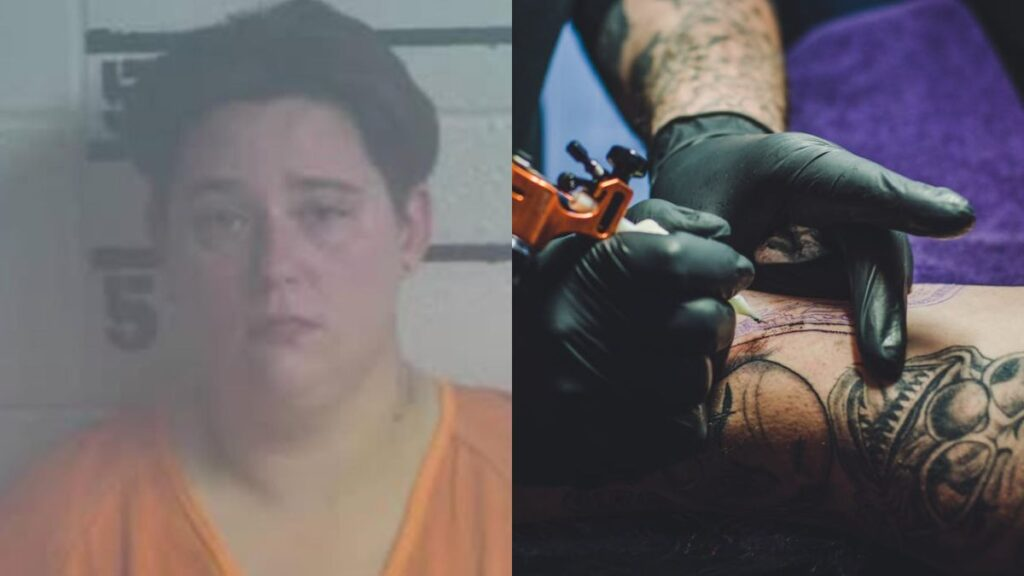
Tattoo guns are specialized devices designed for adult body art procedures and are not intended for use around infants or toddlers. Safety standards within professional tattoo environments typically include strict sanitation rules, age verification requirements, and controlled settings meant to reduce health risks. Experts say allowing a toddler near tattoo equipment can create dangerous circumstances even if no intentional harm was planned.
The incident also renewed broader discussions about how child abuse laws are applied in cases involving nontraditional allegations. While physical abuse cases often involve visible injuries, courts may also consider actions that expose children to unnecessary physical harm or illegal procedures. Fourth-degree assault-child abuse charges in Kentucky can apply in situations where a child allegedly suffers physical injury or is placed at risk through reckless behavior.
Prosecutors will likely examine evidence from the scene, medical evaluations, witness statements, and McDaniel’s own comments to investigators as the case proceeds through the legal system. At this stage, authorities have not publicly indicated whether additional charges could be filed. The investigation may continue as officials review the circumstances surrounding the incident and determine whether further action is necessary. Cases involving young children frequently draw intense scrutiny because they involve individuals who are entirely dependent on adults for protection and care.
Incidents that appear unusual or extreme often generate national attention, especially when they involve allegations of permanent physical alteration or potentially dangerous behavior. The legal process will now determine how the allegations against Brook McDaniel are handled in court. As the case moves forward, it is expected to remain a subject of public discussion due to the unusual nature of the accusations and the broader concerns raised about child safety, parental responsibility, and the enforcement of laws designed to protect minors from harm.