
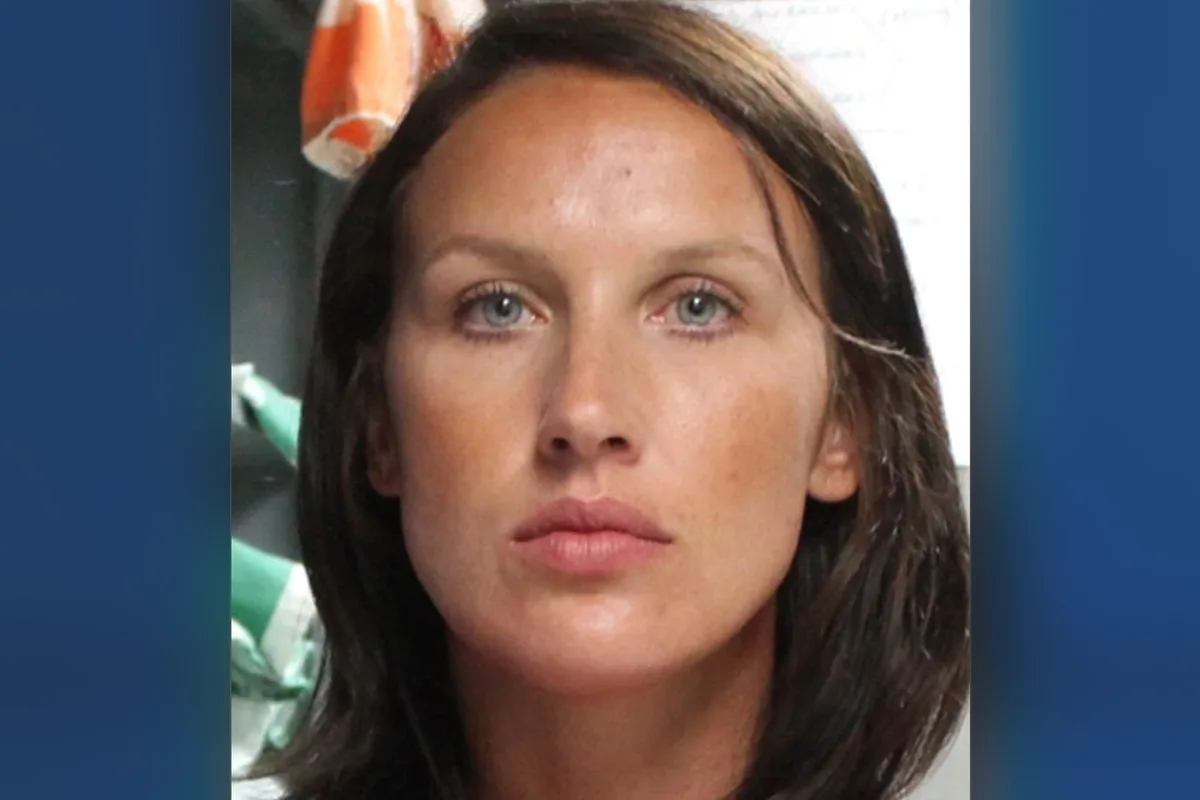
The owner of a Texas wellness spa is facing multiple felony charges after a customer died following an IV treatment that authorities say may have been improperly administered. Amber Johnson, owner of Luxe Medspa in Wortham, Texas, surrendered to authorities in late April after prosecutors accused her of operating medical procedures without the required licensing and allowing dangerous IV therapies to be administered at her business. The criminal case centers on the 2023 death of 47-year-old Jenifer Cleveland, who reportedly went into cardiac arrest shortly after receiving an intravenous infusion containing vitamins and electrolytes.
The allegations have intensified scrutiny surrounding wellness clinics and medspas that offer IV treatments marketed for hydration, energy boosts, immune support, and recovery therapies. Investigators say the treatment Cleveland received contained concentrated electrolytes that required careful medical supervision and slow administration rates. Prosecutors allege that those safeguards were ignored at Luxe Medspa, ultimately leading to fatal consequences.
Johnson now faces charges including felony murder, manslaughter, criminally negligent homicide, practicing medicine without a license, tampering with physical evidence, and multiple counts related to the delivery of dangerous drugs. The case has also led to criminal charges against the spa’s medical director, Dr. Michael Gallagher, and inspired new Texas legislation regulating IV therapy services.
Fatal IV Therapy Session Leads to Criminal Investigation
According to investigators, Jenifer Cleveland visited Luxe Medspa in July 2023 seeking an IV infusion treatment. Such therapies have become increasingly common at wellness centers across the United States, where customers pay for intravenous drips containing combinations of vitamins, minerals, electrolytes, and hydration fluids. These treatments are often promoted as remedies for fatigue, dehydration, hangovers, or general wellness enhancement.
Authorities say Cleveland received an IV infusion that included TPN electrolytes, substances that contain high levels of potassium and other nutrients. Medical experts have long warned that potassium-heavy mixtures must be delivered slowly because rapid infusion into the bloodstream can disrupt the heart’s electrical activity and trigger fatal arrhythmias. Court records and investigative findings allege that the IV treatment at Luxe Medspa was administered by an individual who was not licensed to perform medical procedures.
Approximately 30 minutes after receiving the infusion, Cleveland reportedly suffered cardiac arrest. Emergency responders transported her to a hospital, but she was later pronounced dead. An autopsy later concluded that Cleveland died from “sudden cardiac death of uncertain etiology.” The report stated that the IV therapy could not be conclusively ruled in or ruled out as a contributing factor. While that wording left some medical uncertainty, investigators with the Texas Medical Board reportedly reached a firmer conclusion after conducting their own investigation.
According to state investigators, Cleveland’s death resulted from the improper administration of IV therapy. Authorities focused heavily on the speed and manner in which the electrolyte mixture was allegedly infused into her bloodstream. Prosecutors argue that the dangerous nature of the ingredients required a far greater level of medical oversight than what was provided at the spa. The criminal case expanded significantly after investigators reviewed Luxe Medspa’s ownership structure and medical operations.
Authorities allege that Johnson operated the medspa without possessing a medical license, despite Texas laws restricting ownership and management of medical practices by unlicensed individuals. Johnson turned herself in to the Freestone County Jail and was later released on bond. Her arrest drew widespread attention because felony murder charges are relatively rare in cases involving cosmetic or wellness treatment businesses. Prosecutors appear to be arguing that the alleged unlawful medical practices directly contributed to Cleveland’s death.
Read : Footballer Jack Sparkes Raises Thousands For Charity After Daughter Lily’s Heart Diagnosis
The investigation also examined whether evidence connected to the treatment was altered or concealed after Cleveland’s medical emergency. That led to the additional charge of tampering with physical evidence against Johnson. Details regarding the specific allegations tied to that charge have not yet been fully disclosed publicly.
Read : Millions of Mosquitoes Released from Helicopters in Hawaii to Save Rare Birds from Extinction
The case reflects growing concerns among regulators about the rapid expansion of medspas and wellness clinics that perform increasingly complex medical procedures while operating in loosely regulated environments. Investigators believe Luxe Medspa blurred the line between cosmetic wellness services and clinical medical treatment without maintaining the proper safeguards required for patient safety.
Medical Director Dr. Michael Gallagher Also Faces Charges
The criminal investigation did not stop with the spa’s owner. Dr. Michael Gallagher, who served as the medical director for Luxe Medspa, has also been charged in connection with Cleveland’s death. Authorities say Gallagher’s role at the spa included overseeing medical procedures and authorizing treatments offered to clients. Gallagher faces charges including murder, manslaughter, criminally negligent homicide, and multiple counts tied to the provision of dangerous drugs.
Prosecutors allege that as medical director, he bore responsibility for ensuring that IV therapies were properly prescribed, supervised, and administered according to accepted medical standards. Investigators have scrutinized the relationship between Gallagher and Johnson as part of the broader case. Authorities claim Johnson operated the medspa despite not holding a medical license, while Gallagher allegedly allowed the facility to continue functioning under his medical authority.
This arrangement became a key focus because Texas law places strict limitations on how medical services may be offered and who may control such operations. Gallagher’s medical license was suspended in 2023 during the investigation into Cleveland’s death. State regulators reportedly concluded there were serious concerns regarding patient safety and the handling of IV therapies at the spa. The case highlights the increasingly controversial role of “medical directors” in the booming medspa industry.
In many states, medspas rely on licensed physicians who may not be physically present at the business on a daily basis but who provide legal and regulatory oversight for medical procedures being performed by staff members. Critics argue that some arrangements create inadequate supervision and allow non-medical business owners to effectively control clinical operations.

IV therapy businesses have grown rapidly over the past decade, fueled by social media marketing and consumer interest in wellness trends. Many clinics advertise treatments promising improved energy, detoxification, enhanced athletic recovery, and immune system support. However, medical experts have repeatedly warned that intravenous treatments are not risk-free and can become dangerous when administered improperly.
Potassium-containing solutions, in particular, require extreme caution because excessive potassium entering the bloodstream too quickly can interfere with heart rhythms. In hospitals, potassium infusions are often closely monitored with controlled infusion pumps and continuous patient observation. Investigators allege that the procedures at Luxe Medspa failed to meet those standards. Prosecutors claim the IV cocktail administered to Cleveland carried significant risks that should have been recognized and managed appropriately by trained medical professionals. The allegations against Gallagher and Johnson could have far-reaching implications for the medspa industry nationwide.
Legal experts say the prosecution may establish new precedent regarding criminal liability for wellness clinics that provide medical treatments outside accepted standards of care. The case also underscores the difficulty regulators face in monitoring rapidly expanding wellness businesses that occupy a gray area between cosmetic services and medical treatment. Many consumers may not fully understand the potential dangers associated with IV infusions, especially when treatments are marketed as routine wellness enhancements rather than medical procedures.
Jenifer’s Law Changes IV Therapy Regulations in Texas
The death of Jenifer Cleveland has already resulted in major legislative changes in Texas. Cleveland’s husband, Brian Cleveland, became a vocal advocate for stricter oversight of IV therapy businesses after his wife’s death. His efforts contributed to the passage of new state legislation aimed at tightening regulations surrounding intravenous treatments offered outside traditional medical settings.
Read : Southwest Flight Delayed After Robot Passenger Takes Up Too Much Space
The new law, known as “Jenifer’s Law,” was signed by Governor Greg Abbott in June. The legislation establishes stricter rules governing who can prescribe and administer IV therapies in Texas. Under the law, every IV treatment session must now be ordered by a qualified medical prescriber, including physicians, physician assistants, or nurse practitioners. The legislation also requires that IVs be administered only by trained medical professionals. Supporters of the law say the changes were necessary because wellness spas and hydration clinics had been operating with inconsistent standards and limited oversight.
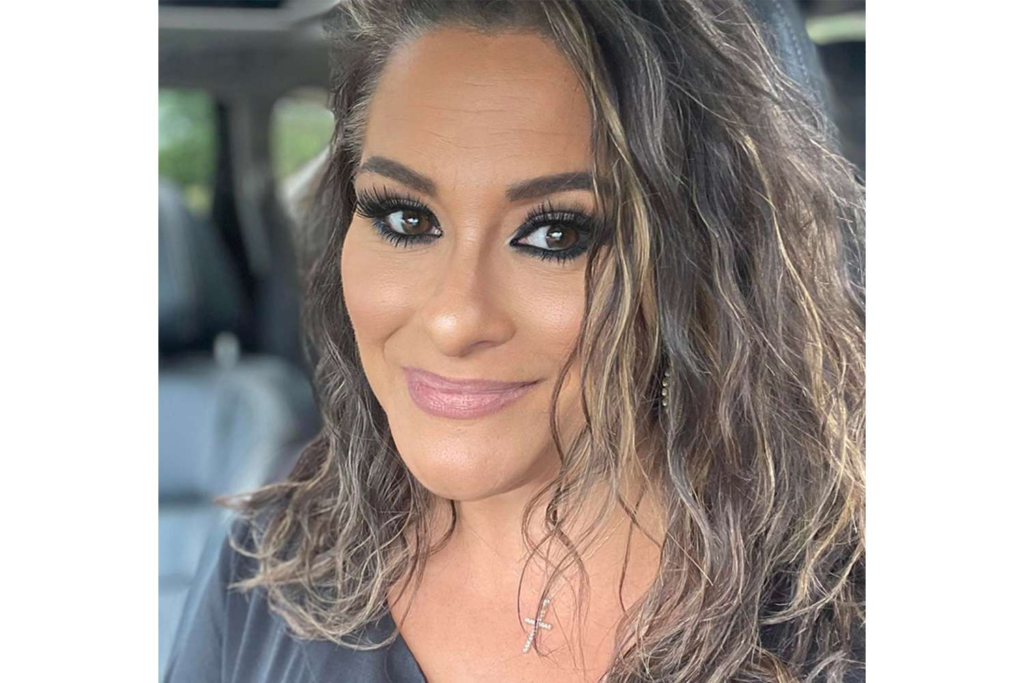
They argue that many consumers incorrectly assume such businesses are subject to the same safety protocols as hospitals or licensed medical clinics. Brian Cleveland publicly supported the legislation throughout the process, describing it as a way to ensure his wife’s death could help protect others in the future. He said naming the law after Jenifer ensured her memory would continue to influence efforts aimed at improving patient safety. The passage of Jenifer’s Law reflects a broader national debate about the regulation of wellness services and alternative medical treatments.
As IV hydration businesses continue expanding across the country, lawmakers and medical boards in several states have begun reviewing whether existing regulations adequately protect consumers. Medical professionals note that intravenous therapy is fundamentally different from over-the-counter wellness products because the substances are delivered directly into the bloodstream. Even vitamins and electrolytes that are generally safe in small amounts can become dangerous if improperly dosed or infused too rapidly.
The criminal charges against Johnson and Gallagher remain pending, and both defendants are presumed innocent unless proven guilty in court. Johnson was released on a $69,000 bond after surrendering to authorities, while Gallagher was released on a $96,500 bond following his arrest. Meanwhile, Brian Cleveland has filed a wrongful death lawsuit against Luxe Medspa, seeking accountability through civil court proceedings in addition to the ongoing criminal prosecution. The lawsuit alleges negligence in the treatment that led to Jenifer Cleveland’s death.
The case has become one of the most closely watched legal battles involving the medspa industry in Texas. Prosecutors, regulators, medical professionals, and business owners are all paying close attention to how the courts handle allegations involving unlicensed medical practices, IV therapy safety, and criminal responsibility in wellness clinics. As the investigation continues, the death of Jenifer Cleveland remains at the center of a broader conversation about consumer safety, medical oversight, and the risks associated with increasingly popular wellness treatments that operate outside traditional healthcare environments.