
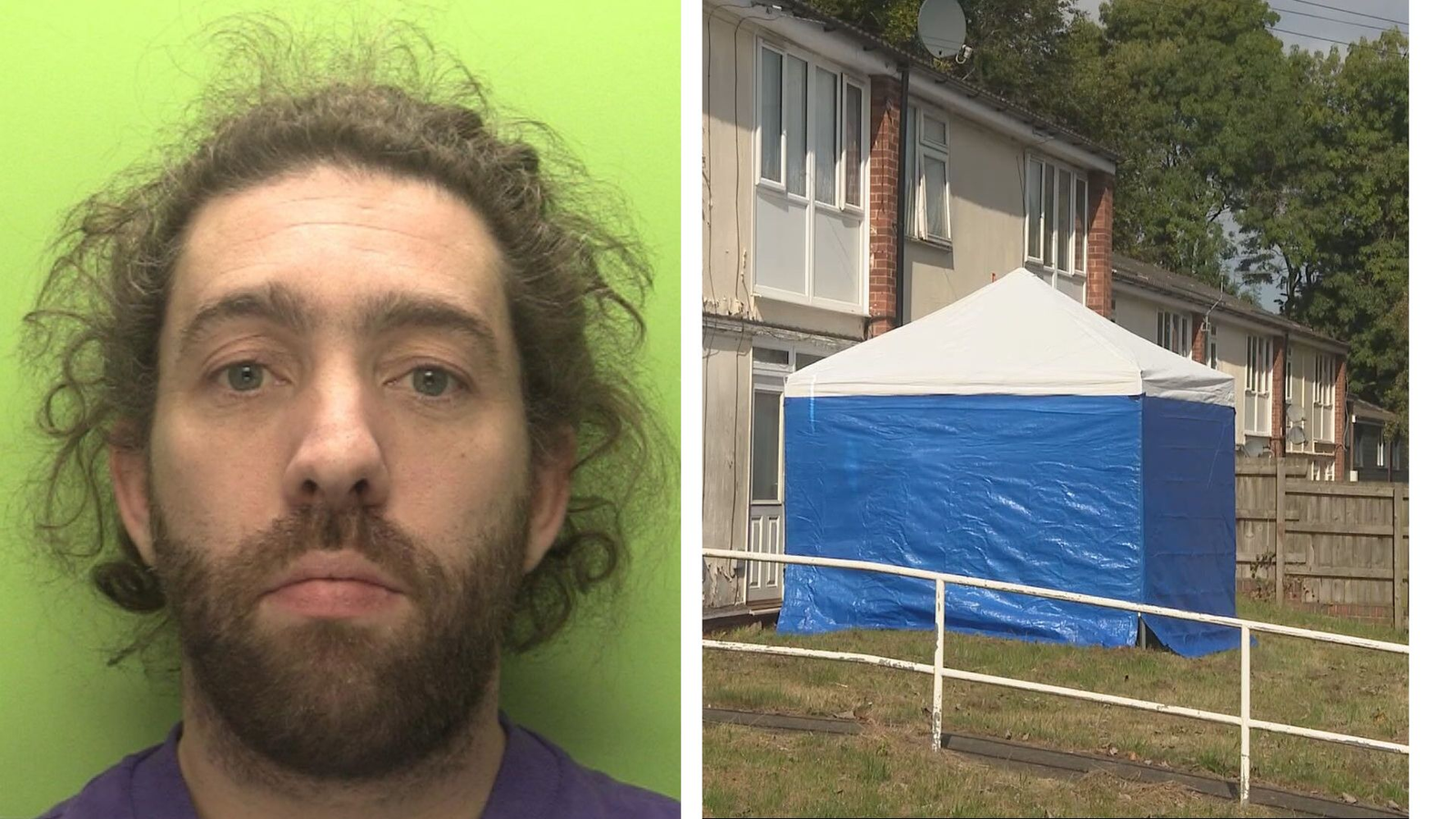
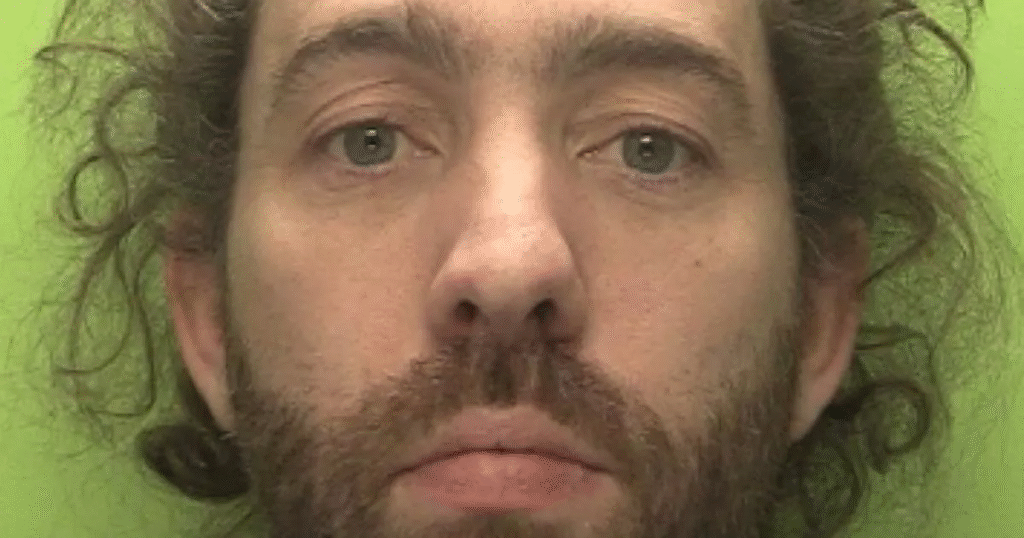
A disturbing and senseless act of violence has left a family shattered and a community in shock, as the justice system delivers a life sentence to Caine Lonsdale for the brutal murder of his vulnerable friend, Jonathan Dittia.
The tragic events that unfolded in a Nottinghamshire flat have not only revealed the dark side of alcohol dependency and manipulation but also brought into focus the devastating impact such crimes have on families and loved ones.
The Friendship Turned Fatal
Jonathan Dittia, known to those close to him as a gentle giant, shared a friendship with Caine Lonsdale that was seemingly forged through shared struggles and companionship. Both men, living in Clifton, Nottinghamshire, were regular drinking partners.
They would often gather, each contributing their benefits money to supply the alcohol that would fuel their meetings. Tragically, what began as a bond formed in friendship ended in unimaginable brutality on the evening of September 17.
Lonsdale, 34, inflicted an appalling 63 injuries on 40-year-old Jonathan Dittia in his own home. The attack was so violent and relentless that even the seasoned professionals who later examined the case were left appalled.
Among the many wounds, a ligature mark was found on Jonathan’s neck, caused by a phone charging cable used in an attempt to strangle him. It was a scene of horror, made even more chilling by what Lonsdale did afterward.
Cold and Calculated Aftermath
Instead of seeking immediate help or expressing any visible remorse, Lonsdale left his friend dead or dying in the living room of the flat. It was not until an hour and a half later, at 8.32pm, that he finally called emergency services.
In that time, he ordered a pizza to the same flat, and CCTV footage would later capture him calmly collecting the delivery at the back gate—his trainers still stained with Jonathan’s blood.
This act, ordering food while his friend lay lifeless nearby, struck the court and the public as particularly callous and cruel. It demonstrated a disturbing detachment from the violence he had just inflicted, as though the night was continuing as usual for Lonsdale.
Read : Latrance Battle Arrested After Impersonating ICE Official to Arrest Her Ex-Boyfriend’s Wife
When Lonsdale eventually called 999, he candidly admitted to the call handler, “I’ve stomped on his head.” This blunt confession would become one of the many pieces of damning evidence used against him in Nottingham Crown Court.
Read : New Study Found That Elephants Call Each Other by Unique Names
But it wasn’t a spontaneous moment of regret that led him to call emergency services—it was only after visiting his father’s house and stating, “Ey up dad, I have killed a mate, or I think I have,” that he was urged to do so.
This further added to the troubling narrative that Lonsdale had little regard for the consequences of his actions or the life he had taken. His demeanor when the police arrived was described as calm and unemotional, even though he was outside the flat where his friend’s body lay inside.
A Judge’s Verdict
Judge James Sampson, who presided over the case, did not mince words during the sentencing. He condemned Lonsdale for a “merciless and sustained” attack and noted that although he may have been intoxicated, it in no way diminished his responsibility.
The court heard that Lonsdale had a low IQ of 72 and suffered from chronic alcoholism—factors that were presented in his defense—but the judge concluded these did not reduce his culpability for the crime.
“You used your shod foot as a weapon and the sustained nature of the attack must have resulted in mental and physical harm to Jonathan Dittia,” Judge Sampson said during sentencing. “This took place in his own home, where he should have been safe.”
Lonsdale, who wore a grey Adidas tracksuit in court, remained emotionless throughout the proceedings. He was sentenced to life imprisonment with a minimum term of 15 years before he becomes eligible for parole. The 216 days he had already spent in custody were deducted from this sentence.
A Vulnerable Victim Remembered
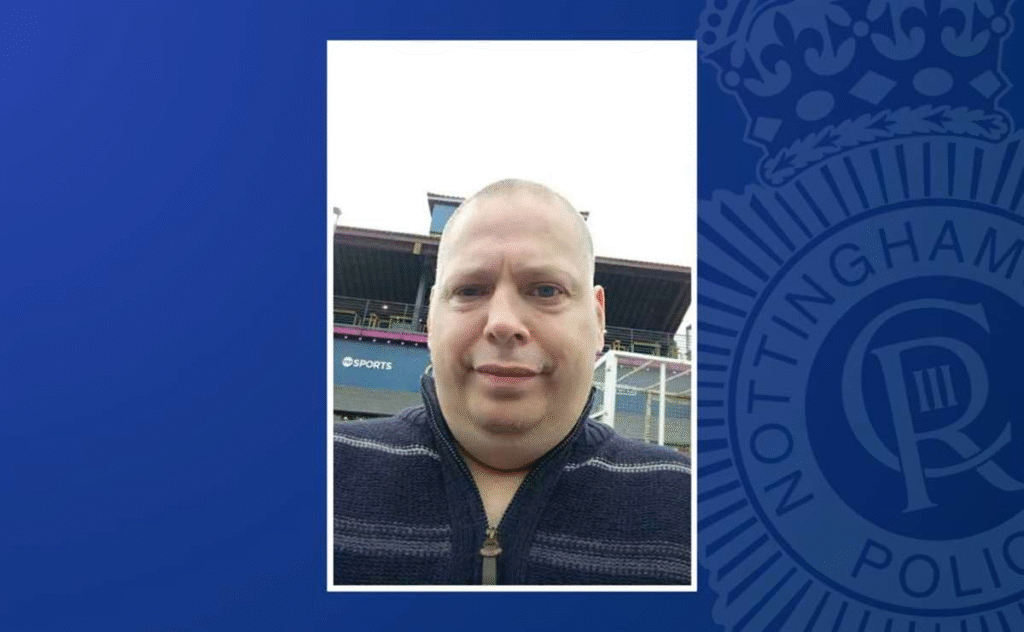
What made the crime even more tragic was the vulnerability of the victim. Jonathan Dittia was described as a gentle person, a man with learning difficulties and a trusting nature. He relied on people like Lonsdale for companionship, not knowing that this very trust would one day cost him his life.
In powerful and heart-wrenching victim impact statements, his family painted a vivid picture of a man who was kind, caring, and completely undeserving of the brutal fate he met.
His grandmother, Doris Brown, called Jonathan a “gentle person with a heart of gold.” His sister, Claire Dittia, said the murder felt like being “hit by a tonne of bricks” and spoke of how their grandmother “lost her smile” after Jonathan’s death. “I am so heartbroken,” she said. “I would give anything to have him back.”
Jonathan’s mother, Stacey Dittia, described her son as someone who “wouldn’t hurt a fly,” despite his large build. She added, “He didn’t deserve to die the way he did. No one has the right to take another person’s life.”
In defense, Richard Thatcher attempted to highlight Lonsdale’s cognitive limitations and long-standing struggles with alcohol. He argued that Lonsdale’s impaired intellectual function and substance abuse may have contributed to a breakdown in logical thinking and emotional control.
“Whatever it was that triggered that behaviour, he had neither the wisdom nor the sobriety to deal with it,” said Mr Thatcher. He also claimed that Lonsdale felt “genuine remorse” for what he had done, although his actions during and after the murder told a different story to many.
Despite these efforts, the court remained firm in its decision, with Judge Sampson pointing out that no substantial evidence had been provided to show a mental illness or disability that would reduce his culpability.
A Tragic Example of Vulnerability and Betrayal
The case of Jonathan Dittia’s murder stands as a chilling reminder of how vulnerability can be exploited, especially when mixed with substance abuse and unstable relationships. Jonathan trusted Caine Lonsdale. Their friendship was likely one of the few constants in his life. That very bond was betrayed in the worst way imaginable.

The courtroom testimony and evidence painted a disturbing portrait of a man who, while battling his own demons, became the source of unspeakable horror for a vulnerable friend. The image of Lonsdale calmly collecting a pizza while blood still clung to his shoes will remain with many as a symbol of his indifference and cruelty.
While the sentencing of Caine Lonsdale may bring a measure of justice, it will never be enough to fill the void left in the hearts of Jonathan’s family. His loved ones must now navigate a life permanently altered by an act of senseless violence, while Lonsdale faces the long-term consequences of his actions behind bars.
No amount of legal retribution can return Jonathan Dittia to his family. Their grief remains raw, their questions unanswered. How could someone so close, so familiar, unleash such rage? What could possibly justify such cruelty?
The sentencing brings some resolution to a dark chapter, but the wounds—emotional, psychological, and spiritual—will linger for a lifetime.